We are glad to share with you about the results of our work, company news, and give you timely developments and personnel appointment and removal conditions.
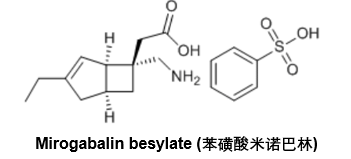
Mirogabalin besylate is a gabapentinoid developed by Daiichi Sankyo Co., Ltd. in Japan. In January 2019, it was approved for marketing in Japan for the treatment of peripheral neuropathic pain, including diabetic peripheral neuropathic pain (DPNP) and postherpetic neuralgia (PHN), under the trade name Tarlige.
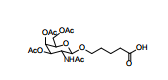
In the evolution of oligonucleotide therapeutics, achieving precise delivery to target tissues remains a paramount challenge. Cosperpharma is proud to introduce our specialized GalNAc (N-Acetylgalactosamine) series. As a high-affinity ligand for the asialoglycoprotein receptor (ASGPR), GalNAc enables the targeted delivery of conjugated siRNAs and antisense oligonucleotides directly to hepatocytes. Our comprehensive range of GalNAc derivatives provides researchers with the essential building blocks to enhance cellular uptake, improve therapeutic efficacy, and reduce off-target effects in liver-related diseases.
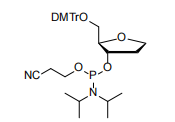
While the nucleobases form the core of an oligonucleotide, the success of complex synthetic designs often hinges on specialized linkers and terminal modifications. Cosperpharma is proud to present our comprehensive collection of "Other Phosphoramidites," featuring high-quality spacer monomers and chemical phosphorylation reagents. These essential building blocks empower researchers to introduce flexible gaps, modify terminal ends, and enhance the overall performance of their diagnostic probes and therapeutic oligonucleotides.
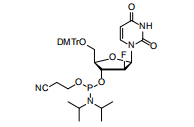
In the design of highly potent and stable oligonucleotide therapeutics, the ability to control the sugar conformation is a powerful tool. Cosperpharma is pleased to introduce our premium line of 2'-FANA (2'-Deoxy-2'-fluoro-arabinonucleic acid) Phosphoramidites. By combining the electron-withdrawing properties of fluorine with the unique structural geometry of arabinose, these monomers lock the sugar into a distinct C2'-endo conformation. This specialized chemistry is unlocking new possibilities for antisense oligonucleotides, siRNA, and advanced gene-editing applications.
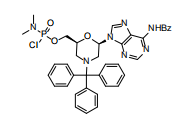
As oligonucleotide therapeutics evolve, the need for backbones that offer superior stability and unique binding properties has led to the development of Morpholino chemistry. Cosperpharma is proud to introduce our high-purity PMO (Phosphorodiamidate Morpholino Oligomer) subunits. By replacing the ribose sugar with a six-membered morpholine ring and utilizing a neutral phosphorodiamidate backbone, these specialized building blocks enable the synthesis of oligomers with exceptional nuclease resistance and minimal off-target effects, making them ideal for advanced splice-switching and translation-blocking applications.
In the quest for ultimate biostability, nature's mirror image offers a remarkable solution. Cosperpharma is proud to introduce our specialized line of L-RNA Phosphoramidites. By utilizing the non-natural L-enantiomer of ribose, these monomers enable the synthesis of L-RNA (Spiegelmer) oligonucleotides. These mirror-image sequences are completely invisible to natural nucleases, offering unprecedented stability in biological systems. Our high-purity L-RNA building blocks are the key to developing long-lasting aptamers, therapeutics, and robust diagnostic tools.
We use cookies to offer you a better browsing experience, analyze site traffic and personalize content. By using this site, you agree to our use of cookies. Privacy Policy


 20 2026-10
  20 2026-10
  20 2026-10
  20 2026-10
  19 2026-10
  19 2026-10