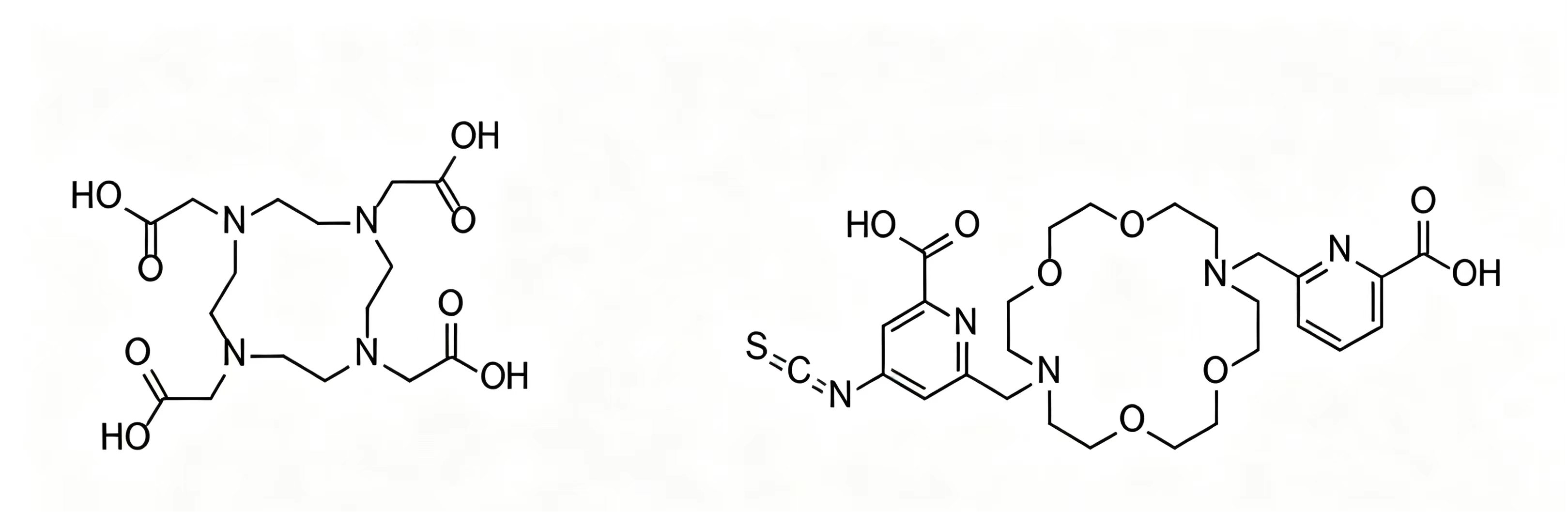
The selection of chelating agents for targeted radionuclides is a precision science centered on matching the radionuclide, chelator, and targeting vector. Classic macrocyclic agents like DOTA offer exceptional stability for medium-sized radionuclides such as ¹⁷⁷Lu, and are used in approved drugs like Lutathera and Pluvicto. For larger α-emitting isotopes like ²²⁵Ac, novel chelators such as Macropa exhibit "reverse size selectivity" for superior complexation. Bifunctional design enables covalent linkage to antibodies or peptides, while high in vivo stability is critical for safety. Emerging research, including dual-size-selective chelators, is paving the way for integrated theranostic applications.
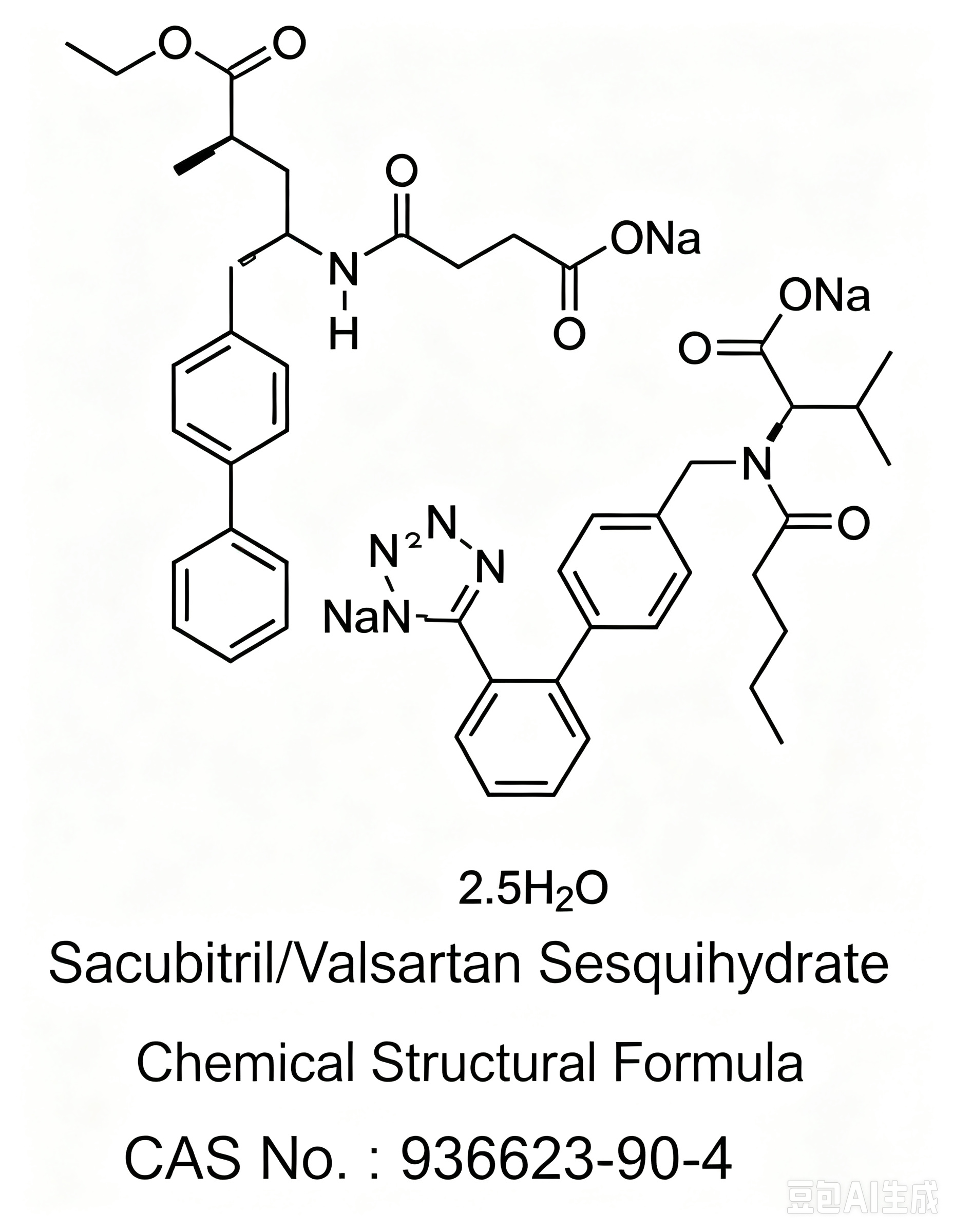
Eutectic technology is an innovative drug development strategy that optimizes the physicochemical properties of active pharmaceutical ingredients (APIs) without altering their chemical structure. By forming co-crystals with suitable ligands, this approach enhances solubility, stability, and bioavailability, enabling synergistic therapeutic effects and reducing toxicity. It also offers a practical pathway to bypass patent barriers, as co-crystals can qualify as novel entities for patent protection. Notably, the FDA may classify co-crystal products containing already-approved APIs as new dosage forms under Section 505(b)(2), potentially streamlining clinical trial requirements. Successful examples like Novartis’ Entresto demonstrate the technology’s substantial commercial potential.
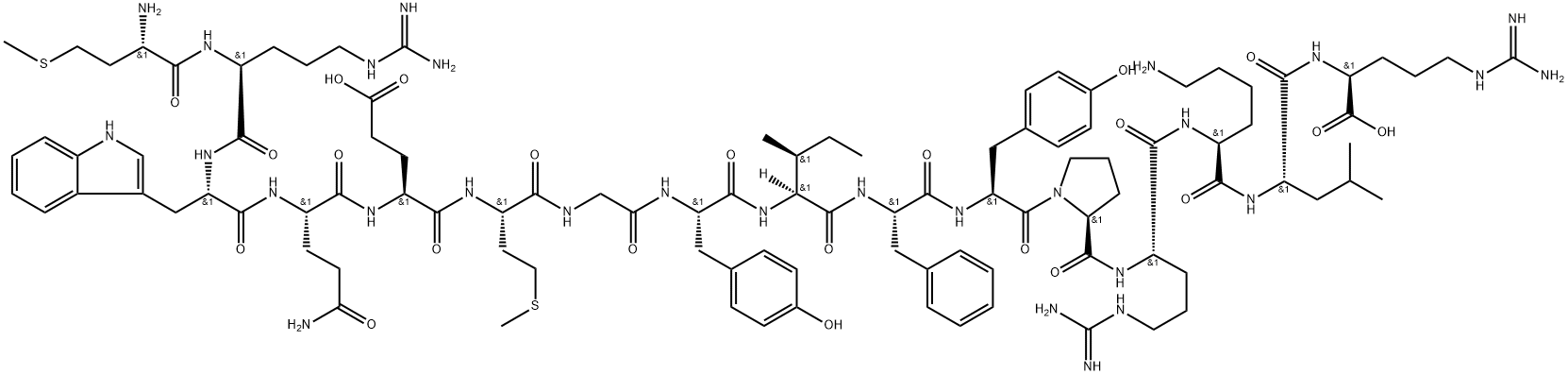
This document profiles six key pharmaceutical peptide intermediates widely used in research and development: MOTS-C, BPC-157, Pinealon, Epitalon, TB-500, and GHK-Cu. Each entry covers the molecular formula, CAS number, and molecular weight, along with biological functions ranging from anti-aging and antioxidant effects to wound healing and insulin sensitivity improvement. The report also summarizes their original research origins, current clinical trial status, and standard synthesis methods, primarily solid-phase peptide synthesis (SPPS). These peptides represent a growing segment of biopharmaceutical research with potential therapeutic and cosmetic applications.
Here’s a concise 130‑word English summary based on the document:
---
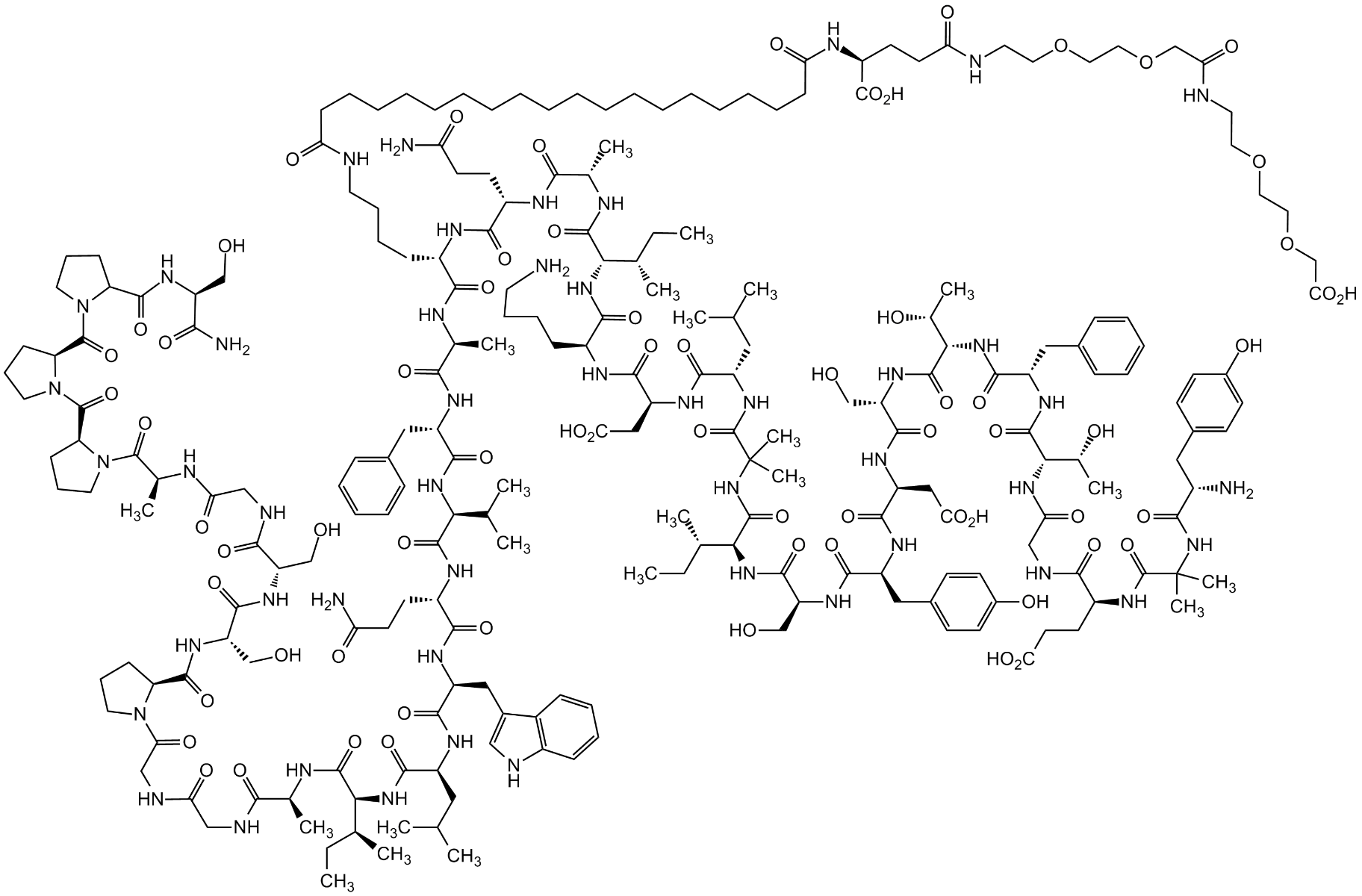
Tirzepatide is a dual GIP/GLP‑1 receptor agonist developed by Eli Lilly for diabetes, NASH, and chronic weight management, with a 116.7‑hour half‑life and up to 21% weight reduction in trials. Its 39‑amino‑acid peptide backbone includes two non‑natural amino‑isobutyric acid residues and a side chain at Lys20. To overcome the low yield and purity issues of conventional solid‑phase synthesis for large peptides, Lilly adopted a hybrid SPPS/LPPS strategy. Four high‑purity fragments (97.5–99.5%) were synthesized via SPPS, then sequentially coupled in liquid phase through a four‑step process. Finally, nanofiltration effectively removes low‑molecular‑weight impurities (e.g., DBF, DEA, PyO‑related byproducts) while retaining the target peptide. This integrated approach enables scalable, robust manufacturing with simplified operations, supporting both R&D and commercial supply.
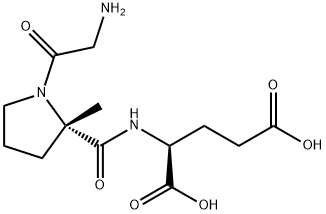
Trofinetide (CAS:853400-76-7), co-developed by Neuren and Acadia Pharmaceuticals, gained FDA approval in March 2023 for Rett syndrome in patients aged 2 and above. As a synthetic GPE tripeptide analog, it targets MeCP2 gene mutation-induced neurodevelopmental defects. Its scalable synthesis uses in-situ silane protection to avoid degradation and column purification, with four high-yield steps ending in Pd/C deprotection. The final API is isolated by spray drying, offering a practical production route for this rare disease therapeutic.
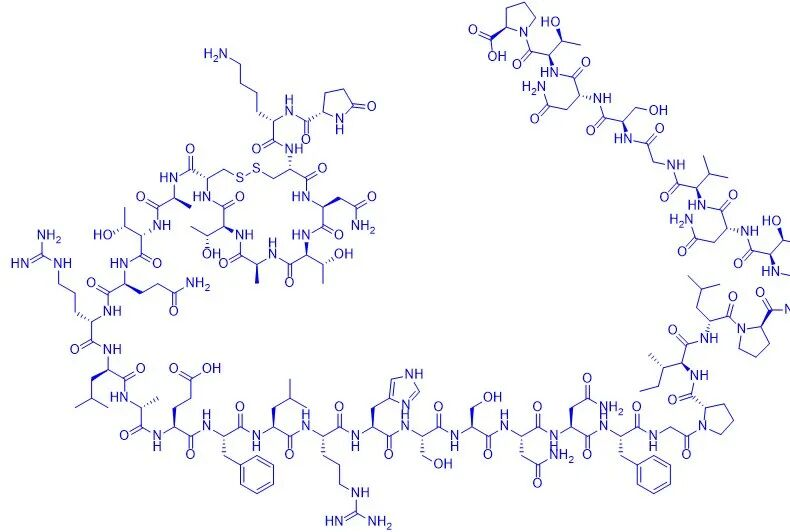
Cagrilintide is a novel long-acting acylated amylin analog and a cyclic 38-amino-acid polypeptide with dual activity at the amylin and calcitonin receptors. It reduces food intake and body weight, delays gastric emptying, and improves glycemic control, showing promise for obesity, diabetes, and metabolic syndrome. The described preparation method employs Fmoc solid-phase peptide synthesis incorporating three pseudoproline dipeptides to mitigate aggregation, followed by cleavage, liquid-phase cyclization, and HPLC purification. This process yields high-purity Cagrilintide (>99.0%) with each single impurity below 0.1%, achieving an overall yield of approximately 32%. The method is robust, scalable, and suitable for industrial production, providing a reliable route for research and commercial applications. For intermediates and impurity standards, Cosperpharm offers comprehensive support from development to manufacturing.
We use cookies to offer you a better browsing experience, analyze site traffic and personalize content. By using this site, you agree to our use of cookies. Privacy Policy


 05 2026-08
  04 2026-08
  28 2026-07
  27 2026-07
  24 2026-07
  16 2026-07