
MOTS-C
CAS: 1627580-64-6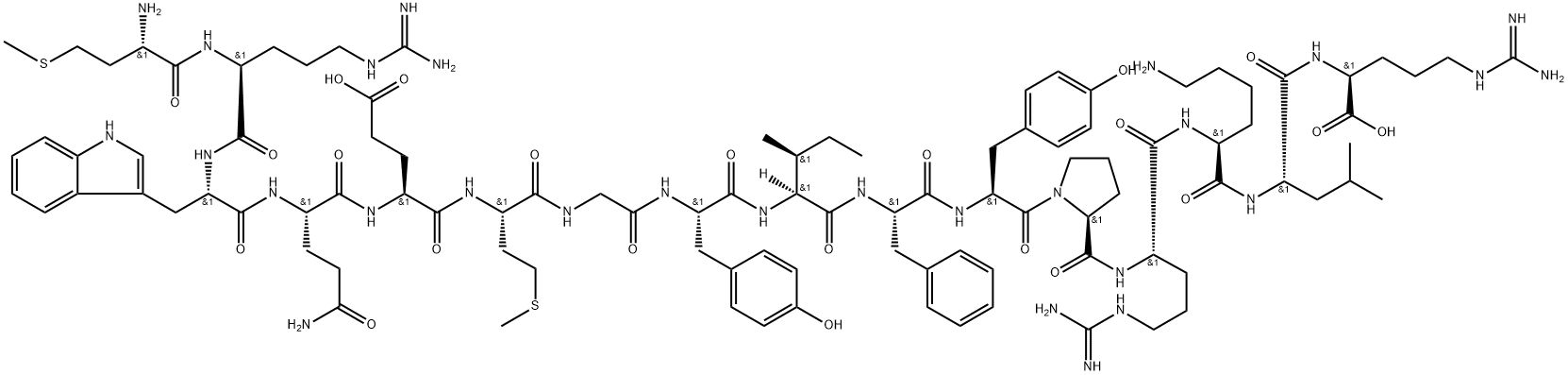
MOTS-c (human) is one of the mitochondrial-derived peptides (MDPs). Its primary physiological function is to promote the biosynthesis of the endogenous AMP analog AICAR, thereby activating AMP-activated protein kinase (AMPK). It also enhances cellular glucose uptake and improves insulin sensitivity. As a pharmaceutical raw material, it is regarded as a potential anti-obesity peptide ingredient and also exhibits notable anti-aging effects.
Originator / Original Research
The "originator" of MOTS-c is not a single company but rather a discovery stemming from basic scientific research. Currently, the primary institution driving its clinical development is Hudson Biotech.
Clinical Trials
A Phase 2a clinical trial is currently underway, but large-scale published results are not yet available. MOTS-c remains in the research stage and has not been approved by any major regulatory agency (e.g., the U.S. FDA) for clinical treatment.
Synthesis Method
MOTS-c is produced using standard Solid-Phase Peptide Synthesis (SPPS) technology.
BPC-157
CAS: 137525-51-0
Molecular Formula: C₆₂H₉₈N₁₆O₂₂
Molecular Weight: 1419.54
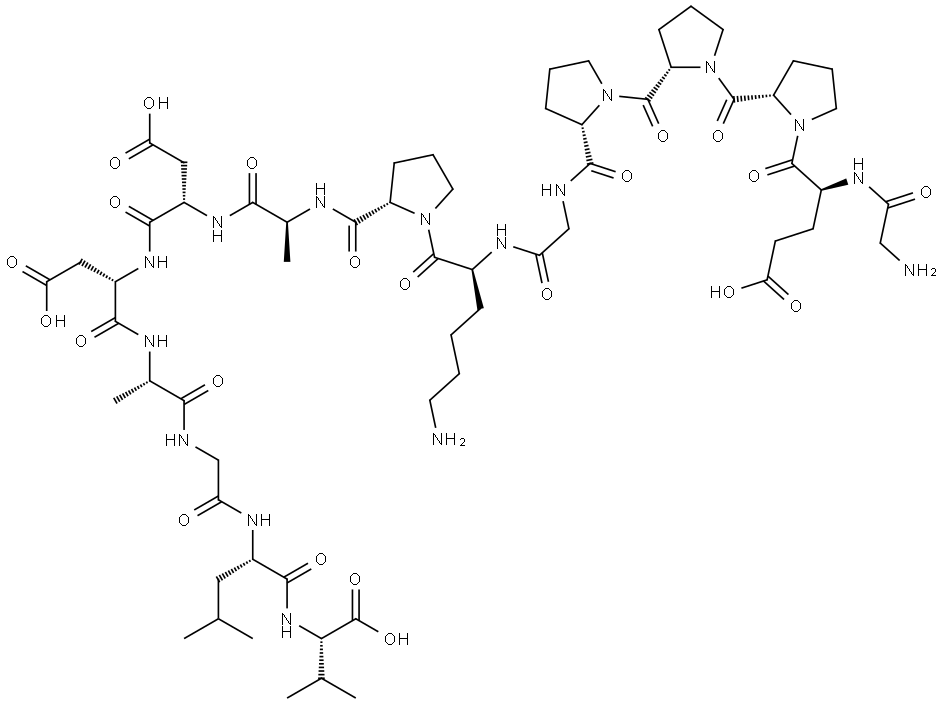
BPC 157 (pentadecapeptide) is an intestinal peptide that exhibits free radical scavenging activity in clinical settings. Unlike other peptides, BPC 157 is effective without a carrier. It is a stable gastric pentadecapeptide with anti-ulcer properties and wound/fistula healing characteristics.
Originator / Original Research
The original research on BPC-157 is closely associated with a Croatian scientific research team. Nearly all existing data on BPC-157 comes from the same research team in Croatia. Early on, the Croatian pharmaceutical company PLIVA conducted some clinical trials in the 2000s. Additionally, the Slovenian pharmaceutical company Lek Pharmaceuticals d.d. also participated in synthesis research on its analogs.
Clinical Trials
Clinical trials exist but are very few in number and of low quality, far from meeting the recognition standards of mainstream medicine. Currently, there are no completed large-scale human clinical trial data available.
Synthesis Method
Solid-Phase Peptide Synthesis (SPPS); both Fmoc and Boc strategies are applicable.
Pinealon
CAS: 175175-23-2
Molecular Formula: C₁₅H₂₆N₆O₈
Molecular Weight: 418.4
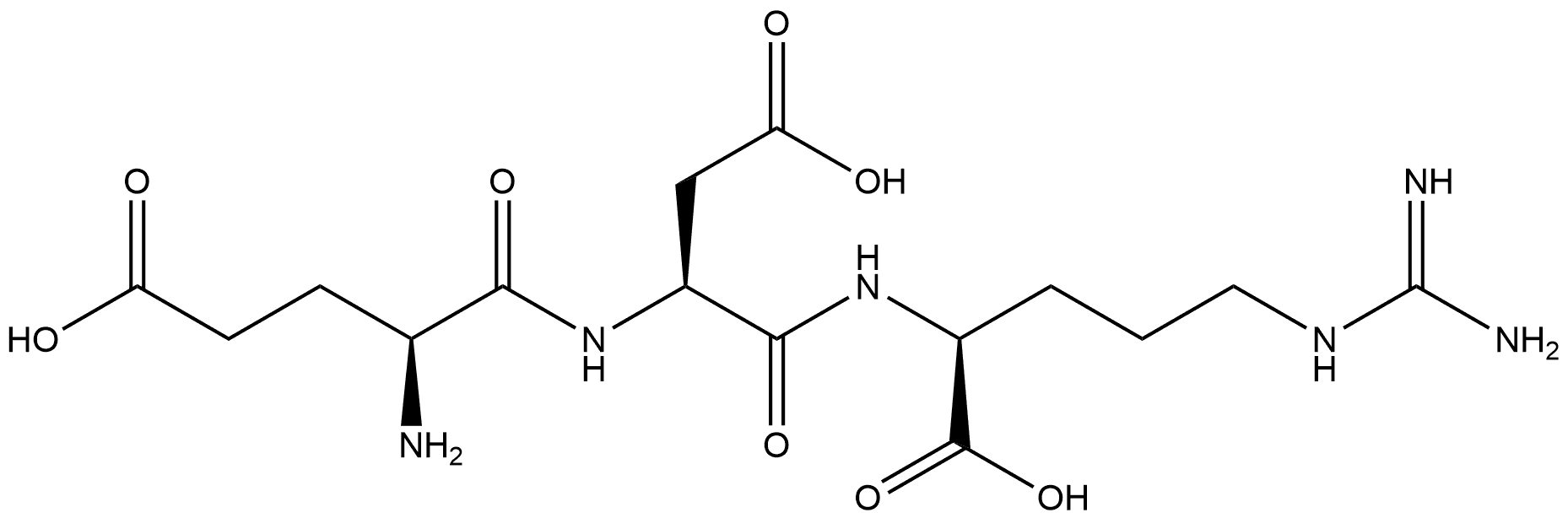
Pinealon is a short peptide composed of three amino acids. In some research literature, Pinealon is described as a peptide with antioxidant activity. As a small-molecule peptide, it can directly interact with the cell genome.
Originator / Original Research
The originator of Pinealon is a Russian scientific research team, primarily associated with Professor Vladimir Khavinson and his team. This peptide is an outcome of Russia's "Peptide-Gene Regulation" research program, developed by the St. Petersburg Institute of Bioregulation and Gerontology. Pinealon is one of a series of short peptide "bioregulators" developed by Professor Khavinson's team.
Clinical Trials
Clinical trials exist but are limited in scale and lack high-quality independent validation. Regulatory status: Pinealon has not been approved by the U.S. FDA for any medical use and is currently sold only as a research chemical.
Synthesis Method
The standard synthesis method for Pinealon is Solid-Phase Peptide Synthesis (SPPS).
Epitalon
CAS: 307297-39-8
Molecular Formula: C₁₄H₂₂N₄O₉
Molecular Weight: 390.35
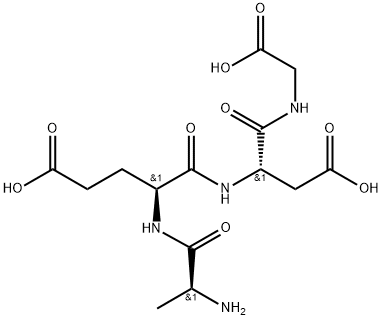
Epitalon is a synthetic peptide known as the "vitamin of epithelial tissue." It was first discovered in bovine pineal gland extracts and is a recognized anti-aging agent widely used in various cosmetic products.
Originator / Original Research
The originator of Epitalon is a Russian scientific research team, primarily associated with Professor Vladimir Khavinson and his team. This peptide was designed based on the analysis of the amino acid composition of "Epithalamin," a bovine pineal gland extract. It was developed by the St. Petersburg Institute of Bioregulation and Gerontology.
Clinical Trials
Has entered the clinical research stage, but the evidence base remains relatively limited. According to drug development database information, Epitalon has reached Phase 2 clinical trials in Russia for the indication of diabetic macular edema. Additionally, there are some small-scale clinical studies on telomere length and sleep quality in the elderly.
Synthesis Method
The standard synthesis method for Epitalon is Solid-Phase Peptide Synthesis (SPPS). Additionally, Liquid-Phase Peptide Synthesis (LPPS) has been mentioned in the literature as an alternative approach. In recent years, research has also explored enzymatic synthesis for a greener production method.
TB-500
CAS: 885340-08-9
Molecular Formula: C₃₈H₆₈N₁₀O₁₄
Molecular Weight: 889.02
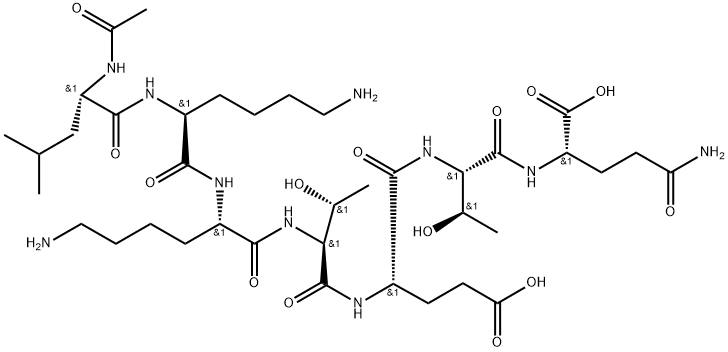
TB-500 is considered the primary globular actin (G-actin) binding peptide, which binds to G-actin monomers and blocks their polymerization. TB-500 has various biological functions, including promoting angiogenesis, wound healing, corneal repair, inhibiting inflammation, and regulating tumor metastasis.
Originator / Original Research
TB-500 is a synthetic short peptide corresponding to amino acid residues 17–23 of Tβ4, created by scientists based on their understanding of Tβ4 function. Its purpose was to obtain a smaller, more stable molecule for research while retaining core biological activity. Therefore, TB-500 does not have a single original pharmaceutical company; it is a product of basic scientific research and is currently supplied as a research chemical by numerous biotech companies worldwide.
Clinical Trials
As this specific 7-peptide molecule, TB-500 currently has no registered or approved human clinical trials with major pharmaceutical regulatory agencies (e.g., the U.S. FDA).
Synthesis Method
The standard synthesis method for TB-500 is Solid-Phase Peptide Synthesis (SPPS).
GHK-Cu
CAS: 89030-95-5
Molecular Formula: C₁₄H₂₁CuN₆O₄
Molecular Weight: 400.91
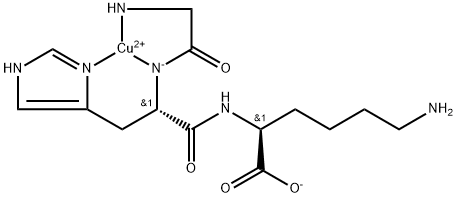
Copper peptide GHK-Cu is a complex of copper ions and a tripeptide. Due to the rich colored copper ions, blue copper peptide presents a unique and elegant blue color. It was the first peptide discovered to have cosmetic benefits. GHK-Cu has a small molecular weight and is more easily absorbed by the skin.
Originator / Original Research
The discovery of GHK-Cu is credited to American scientist Dr. Loren Pickart. Subsequent research found it has wound repair functions. In 1986, ProCyte Corporation was founded, dedicated to applying GHK-Cu in tissue repair, anti-aging, and hair growth fields.
Clinical Trials
Has entered Phase 2 clinical trials.
Synthesis Method
The synthesis of GHK-Cu typically involves two steps: first synthesizing the GHK tripeptide, then complexing it with copper ions.
GHK tripeptide synthesis: The GHK tripeptide is mainly synthesized using standard Solid-Phase Peptide Synthesis (SPPS) or liquid-phase synthesis methods. Both are mature peptide synthesis technologies.
Complexation with copper ions: The purified GHK tripeptide is reacted with copper ion-containing compounds (e.g., copper acetate, copper hydroxide) in solution. The GHK tripeptide has a strong affinity for copper ions (Cu²⁺) and can spontaneously form a stable GHK-Cu complex. After the reaction is complete, purification is performed through filtration, lyophilization, and other means.