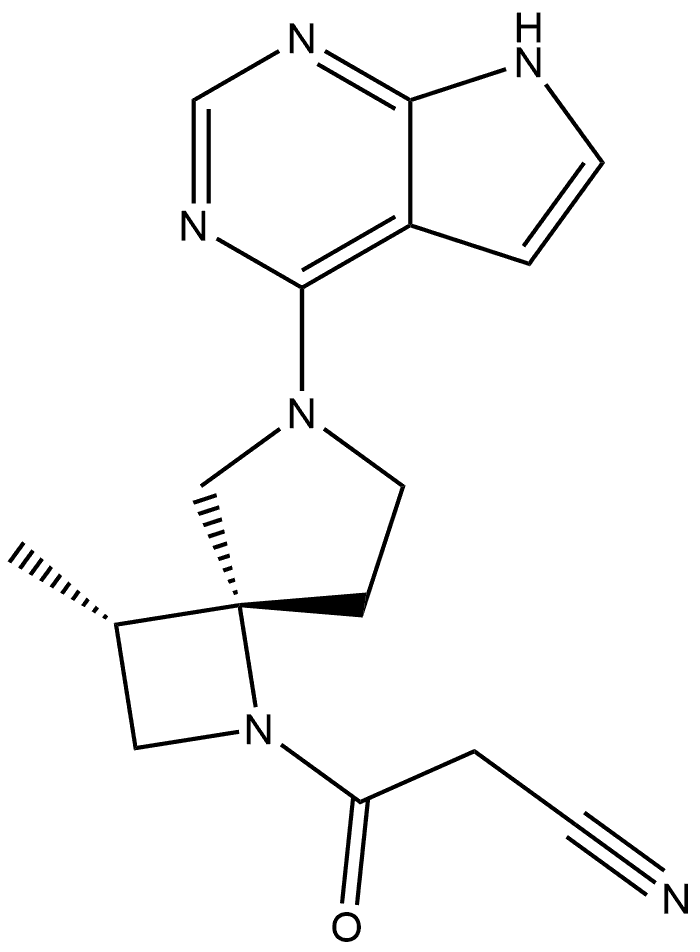
Delgocitinib Cream is the world’s first topical pan‑JAK inhibitor developed for treating chronic hand eczema (CHE) in adults. It blocks the JAK‑STAT pathway by inhibiting JAK1, JAK2, JAK3, and TYK2, thereby suppressing inflammatory responses central to disease pathogenesis. Approved in the EU, UK, Switzerland, and UAE for moderate‑to‑severe CHE, its FDA approval was supported by two 16‑week phase 3 trials showing significantly higher rates of treatment success (IGA‑CHE 0/1 with ≥2‑point improvement) versus placebo (20–29% vs. 7–10%), alongside superior relief of pruritus and pain. Adverse events include local skin reactions, bacterial infections, and leukopenia, but overall incidence was low and comparable to placebo.
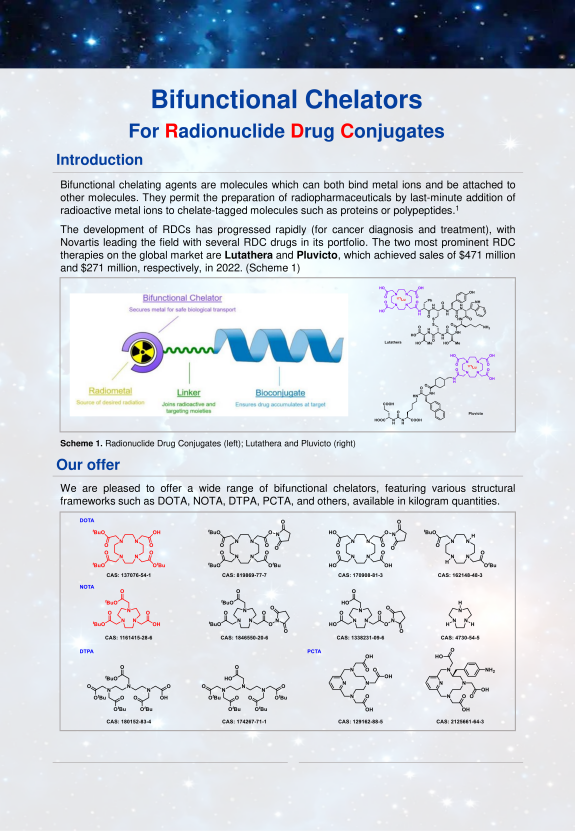
In nuclear medicine, chelators serve as the critical bridge connecting targeted ligands to radionuclides, and their chemical properties directly determine the labeling efficiency, in vivo stability, and pharmacokinetic characteristics of the drug conjugate. Chelators securely incorporate radioactive metal nuclides (e.g., ⁶⁸Ga, ¹⁷⁷Lu, ⁸⁹Zr, ²²⁵Ac) into the drug molecule within the biological environment; any instability-induced release of these nuclides may cause radiation damage to non-target tissues and lead to severe toxicity.
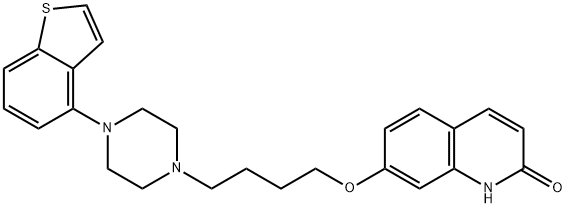
Brexpiprazole is an atypical antipsychotic approved for schizophrenia, major depressive disorder (adjunctive), and Alzheimer’s-related agitation. Its core Chinese patent expires in April 2026, opening the door for generic competition. The synthetic route features key steps: fluorinated nucleophilic substitution, benzothiophene formation via ethyl mercaptate–benzaldehyde reaction, Cu‑catalyzed Boc deprotection, and two nucleophilic substitutions with strict impurity control for intermediate 7. Compound 5 is proposed as a compliant starting material per ICH guidelines. Cosperpharm offers comprehensive support for process development, quality control, and regulatory documentation to help you accelerate your brexpiprazole program.
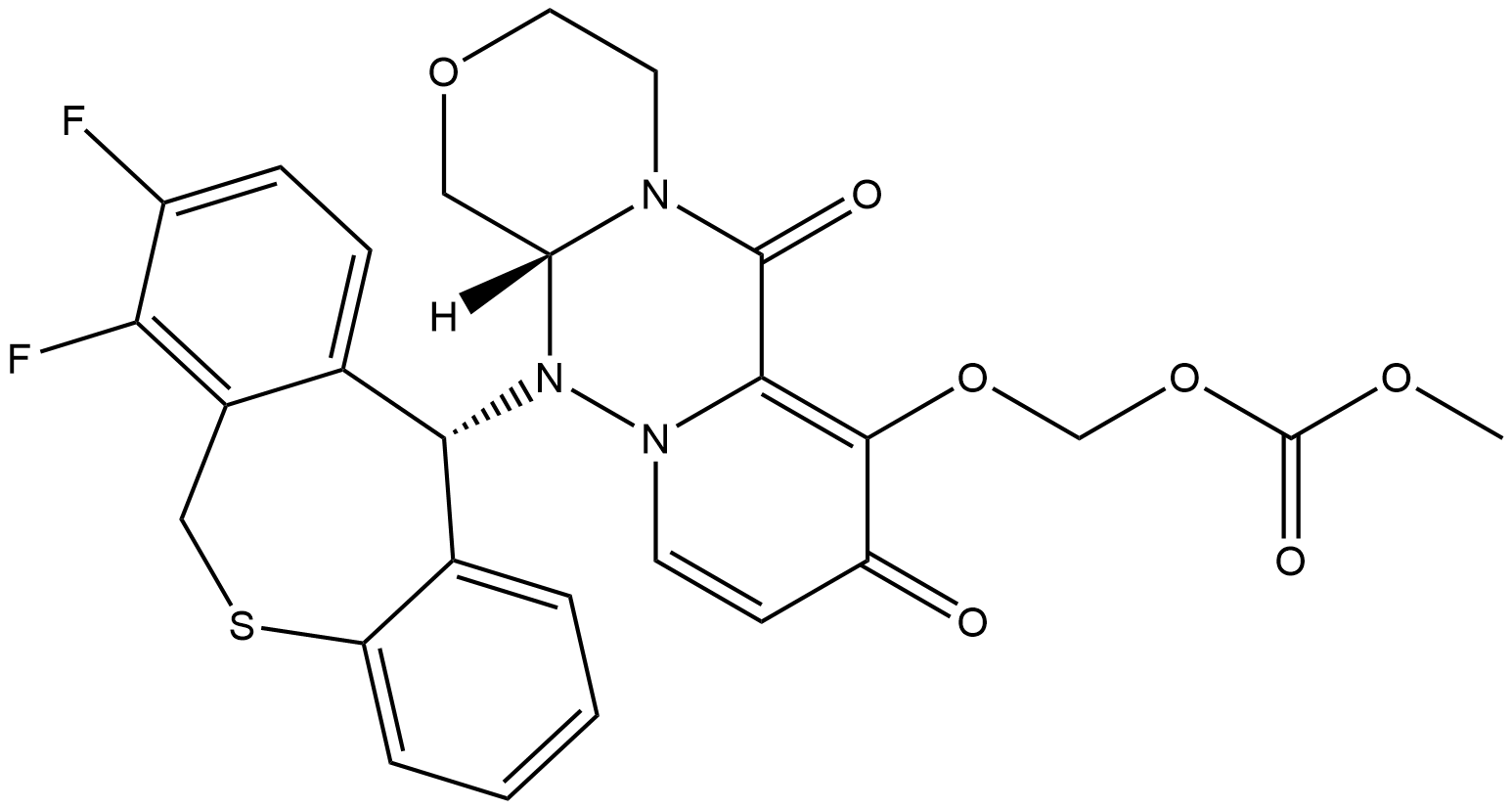
Baloxavir marboxil (Xofluza) is a novel cap‑dependent endonuclease inhibitor for the treatment of influenza A and B. As a prodrug, it is rapidly converted in vivo to its active form, baloxavir acid, which blocks viral replication. Its long half‑life allows for a single oral dose over the entire treatment course. Originally developed by Shionogi from an HIV integrase inhibitor lead, it was later co‑developed with Roche and first approved in Japan (2018), then in the US (2018), and in China (2021), where it was added to the national reimbursement list. The industrial synthesis has been optimized across three generations for improved atom economy and environmental sustainability. Baloxavir marboxil offers a new paradigm in influenza therapy and inspires further antiviral drug discovery.
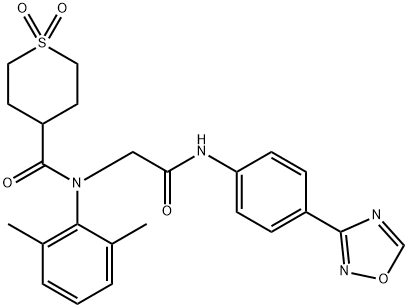
Amenamevir (Amenalief) is an antiviral drug jointly developed by Japan's Astellas and Maruho. It works by inhibiting the activity of helicase-primerase during viral DNA replication, thereby blocking viral proliferation and treating herpes zoster. The drug was approved for marketing in Japan in August 2017. The dosage regimen is as follows: adults should take 400 mg once daily after meals.
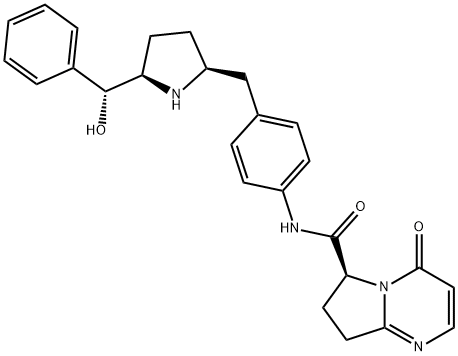
Vibegron is a potent and selective β₃-adrenergic receptor agonist approved by the FDA in December 2020 for the treatment of overactive bladder (OAB) and urge urinary incontinence. This small molecule (C₂₆H₂₈N₄O₃, MW 444.53) enhances bladder capacity by relaxing the detrusor muscle. A landmark synthetic route developed by Merck in 2018 features a dynamic kinetic resolution (DKR) enabled by a rationally designed ketoreductase (KRED‑p301), which converts a racemic ketone into the chiral amino alcohol with 95% yield and 99.4% enantiomeric excess. The total synthesis proceeds through seven key steps: oxidation–Strecker–Boc protection, Grignard addition, enzymatic DKR, Sonogashira coupling, alkaline intramolecular cyclization, TMS protection/hydrogenation with excellent diastereoselectivity (95:5), and final amide bond formation (93% yield). This concise and highly enantioselective approach underscores the power of biocatalysis in pharmaceutical manufacturing.
We use cookies to offer you a better browsing experience, analyze site traffic and personalize content. By using this site, you agree to our use of cookies. Privacy Policy


 14 2026-07
  10 2026-07
  09 2026-07
  07 2026-07
  03 2026-07
  30 2026-06