
Parameters
|
CAS |
1263774-59-9 |
|
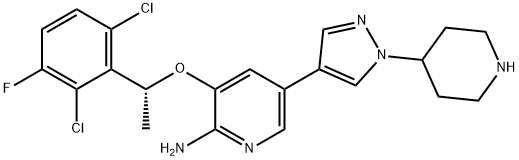
Molecular Formula |
C16H18N6O |
|
Molecular Weight |
310.35 |
|
Density |
1.41±0.1 g/cm3 |
|
pKa |
-0.65±0.40 |
|
Storage Condition |
Store at -20 ℃ |
Introduction
Delgocitinib cream is an innovative, non-steroidal, topical pan-Janus kinase (JAK) inhibitor indicated for adults with chronic hepatitis E (CHE).
This drug specifically inhibits the activity of JAK1, JAK2, JAK3, and tyrosine kinase 2 (TYK2) by blocking the JAK-STAT signaling pathway, thereby suppressing various inflammatory responses that play a pivotal role in the pathogenesis and subsequent exacerbations of chronic hepatitis E (CHE).
Previously, delgocitinib has been approved in the European Union, the United Kingdom, Switzerland, and the UAE for the treatment of moderate-to-severe chronic exophthalmos (CHE) and is available in countries including Germany, Switzerland, the UK, and the UAE.
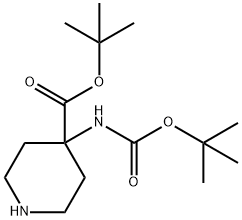
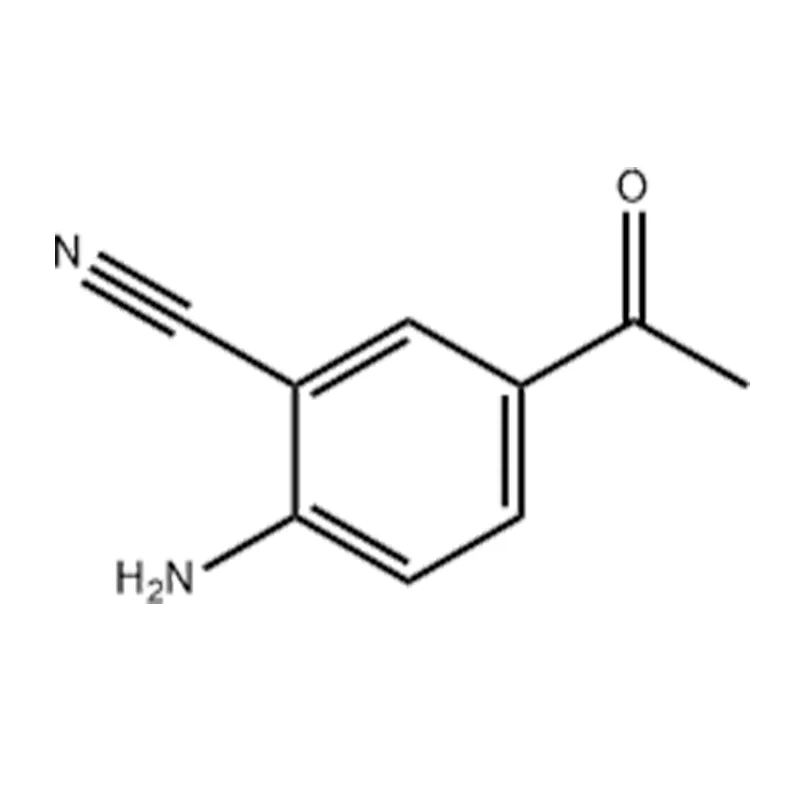
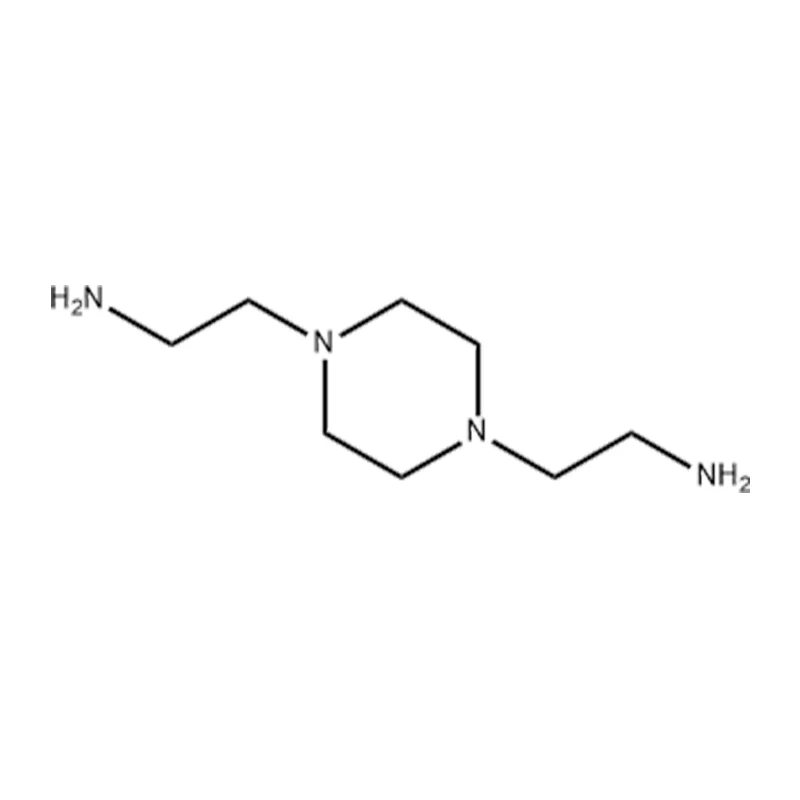
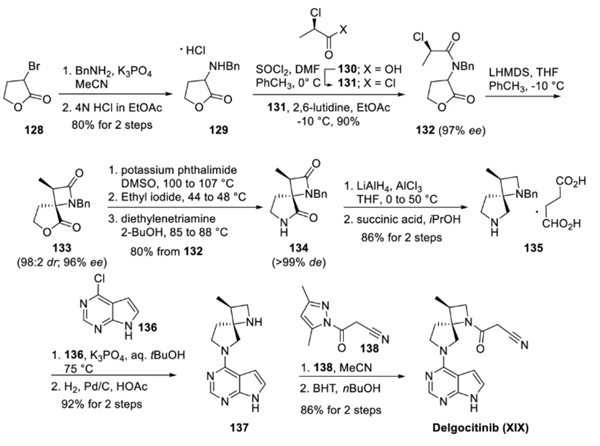
Synthetic Route
Therapeutic efficacy
The FDA approval was based on two randomized, double-blind, placebo-controlled clinical trials spanning 16 weeks (TRIAL 1 and TRIAL 2), which enrolled a total of 960 adult patients with moderate-to-severe chronic adrenal hyperaldosteronism (CHE) who exhibited poor response to or were ineligible for topical corticosteroids.
The primary efficacy endpoint was the proportion of patients who achieved investigator global assessment of successful treatment for chronic hand eczema (IGA-CHE) at week 16, defined as a score of 0 (complete clearance) or 1 (near-complete clearance) with an improvement of at least 2 points from baseline.
The results showed that in TRIAL 1 and TRIAL 2, 20% and 29% of patients in the delgocitinib group achieved IGA-CHE TS, compared to 10% and 7% in the placebo group.
Furthermore, the delgocitinib group demonstrated significantly better improvements in pruritus and pain scores on the Hand Eczema Symptoms Diary (HESD) compared to the placebo group.
Security
Regarding safety, adverse reactions associated with delgocitinib include local reactions (such as pain, tingling, pruritus, and erythema), bacterial skin infections (e.g., finger cellulitis and paronychia), and leukopenia.
In clinical trials, the incidence of adverse events reported in the delgocitinib group was lower and comparable to that in the placebo group. The FDA recommends avoiding concomitant use of delgocitinib with other JAK inhibitors or potent immunosuppressants during treatment, and emphasizes the importance of monitoring infection risks and the occurrence of non-melanoma skin cancer.