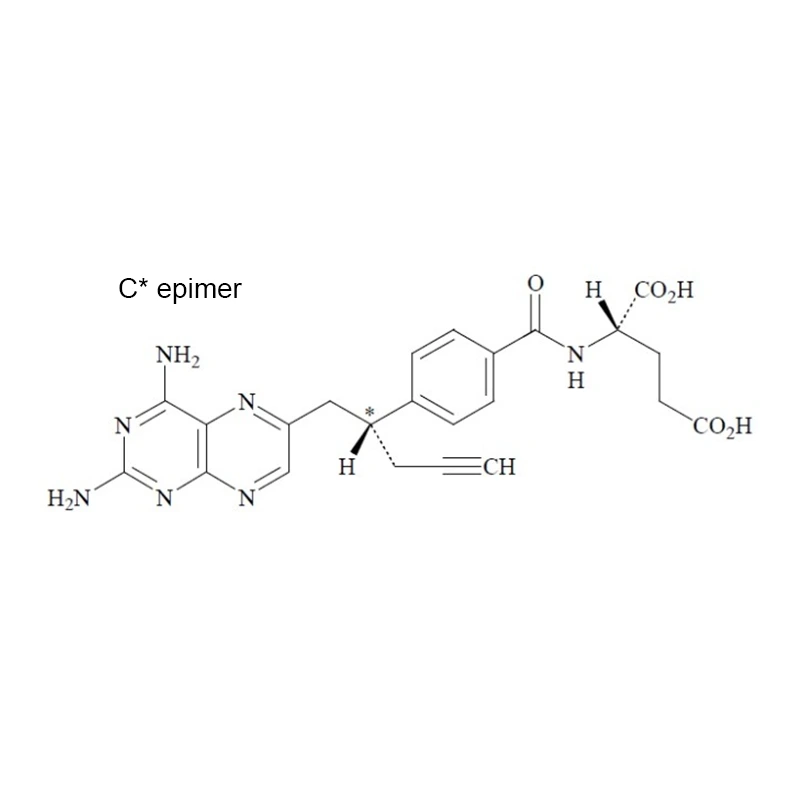
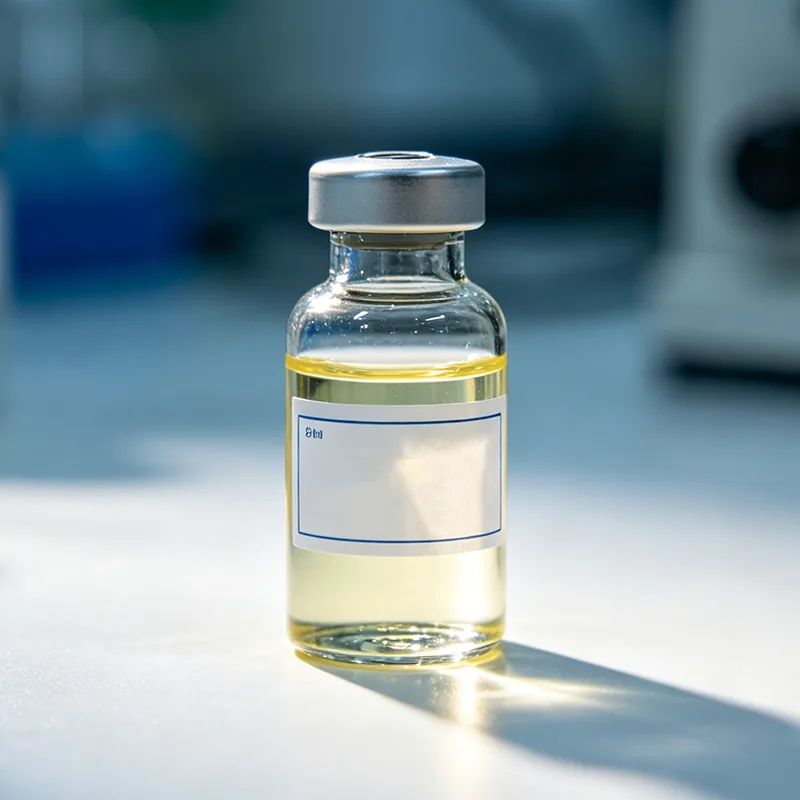
Pralatrexate is a folic acid analogue metabolism inhibitor, belonging to the antifolate chemotherapy class. It is primarily used to treat adult patients with relapsed or refractory peripheral T-cell lymphoma (R/R PTCL).
This drug works by inhibiting the activity of dihydrofolate reductase (DHFR), blocking the production of thymine and other single-carbon transfer molecules required for tumor cell DNA synthesis, thereby interfering with tumor cell replication and proliferation, and ultimately inducing cancer cell death.
Core Indications and Efficacy
Main Indication: Approved by the National Medical Products Administration (NMPA) for the treatment of relapsed or refractory peripheral T-cell lymphoma (PTCL), with approval based on its overall response rate (ORR) demonstrated in clinical trials.
Treatment Efficacy: In a study of cutaneous T-cell lymphoma (CTCL), pralatrexate demonstrated an overall response rate (ORR) of 100%, with a complete response rate (CR) of 67%, suggesting significant efficacy against certain refractory subtypes.
Real-world study data show that in CTCL patients who have previously received systemic therapy, the ORR is 45%-57%, and the disease control rate can reach 85%.
Dosage and Administration (Refer to Standard Regimen)
Recommended Dose: 30 mg/m², administered intravenously once weekly for 6 weeks followed by a 1-week rest period, constituting a 7-week treatment cycle.
Adjunctive Therapy: Oral folic acid (1.0–1.25 mg) should be taken daily during treatment to reduce toxic reactions such as mucositis.
Starting 10 weeks before the first dose, vitamin B12 (1 mg) should be administered intramuscularly every 8–10 weeks to support normal cellular metabolism.
Common Adverse Reactions
Most common (>30%): Mucositis (70%), thrombocytopenia (41%), nausea (40%), fatigue (36%).
Serious adverse events: Including fever, sepsis, neutropenia with fever, dehydration, and dyspnea, with an incidence of approximately 44% (n=49).
Caution: Treatment should be suspended and the dosage adjusted in cases of grade 3 or higher mucositis or hematologic toxicity.
Safety Precautions
Contraindicated during pregnancy: May cause fatal harm to the fetus. Women of childbearing age should strictly use contraception during treatment.
Use with caution during lactation: It is unclear whether it is excreted in breast milk. It is recommended to weigh the risks and benefits before deciding to discontinue the drug or stop breastfeeding.
Safety in children is not established.
Use must be under the guidance of a physician qualified to treat oncology, and with adequate medical support facilities.
We use cookies to offer you a better browsing experience, analyze site traffic and personalize content. By using this site, you agree to our use of cookies.
Privacy Policy