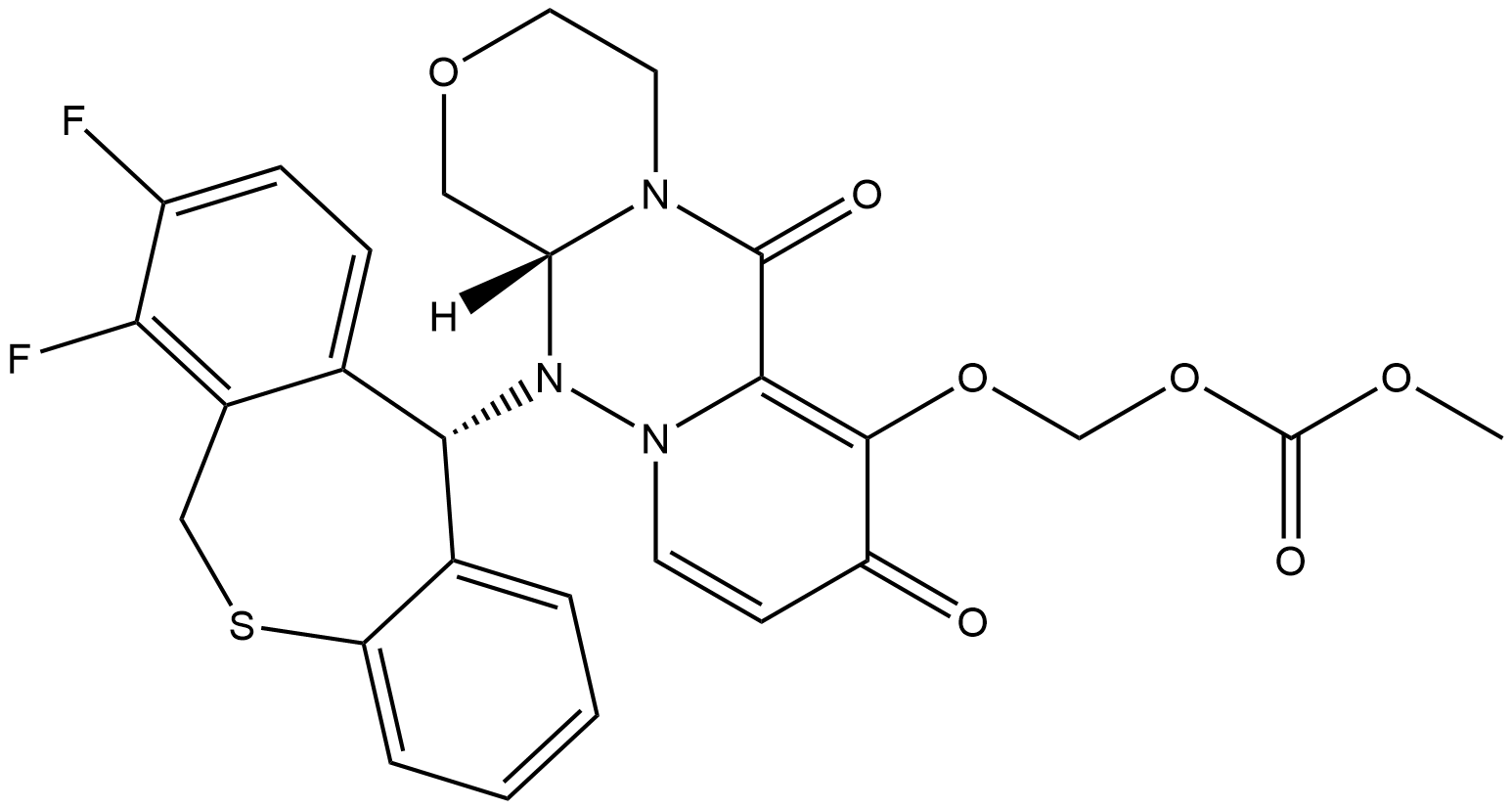
Zanubrutinib is a novel BTK (Bruton's tyrosine kinase) inhibitor independently developed by BeiGene in China. It belongs to the small-molecule targeted anti-tumor drug category.
This drug works by irreversibly binding to the active site of the BTK protein, blocking the abnormal activation of the B-cell receptor (BCR) signaling pathway, thereby inhibiting the proliferation, migration, and survival of malignant B cells, achieving the goal of treating hematologic malignancies.
Main indications include:
Mantle cell lymphoma (MCL): For adult patients who have received at least one prior line of therapy.
Chronic lymphocytic leukemia (CLL)/Small lymphocytic lymphoma (SLL): For first-line and relapsed/refractory patients.
Walden's macroglobulinemia (WM): For adult patients, regardless of whether they carry the MYD88 mutation.
Follicular lymphoma (FL): In combination with oxutuzumab for relapsed or refractory patients who have received at least two lines of prior systemic therapy.
All four indications mentioned above are included in Category B of the National Basic Medical Insurance Drug Catalog (2024), enabling reimbursement under medical insurance.
Clinical Advantages and Characteristics:
High Selectivity: Compared to the first-generation BTK inhibitor ibrutinib, zanubrutinib has higher selectivity for the BTK target, reducing off-target effects and thus lowering the incidence of adverse reactions such as atrial fibrillation and bleeding.
High International Recognition: Approved in over 75 markets worldwide, it is the first original Chinese anticancer drug approved for marketing in the United States and has received FDA "Breakthrough Therapy" and "Priority Review" designations.
High Guideline Recommendation Status: Included in the US NCCN guidelines and the Chinese CSCO guidelines, it is listed as a Class I priority recommendation for the treatment of CLL/SLL and MCL.
Dosage and Administration:
The recommended dose is 160 mg orally twice daily (i.e., a total daily dose of 320 mg), which can be taken before or after meals, continuing treatment until disease progression or intolerable toxicity occurs.
When used in combination with a potent CYP3A inhibitor, the dose should be reduced to 80 mg once daily.
Safety and Precautions:
Common adverse reactions include neutropenia, infection, hypertension, and bleeding, which are generally manageable.
Contraindicated in patients with hypersensitivity to any component of this drug; pregnant women should avoid use; breastfeeding women should discontinue breastfeeding during treatment and for two weeks after the last dose.
During treatment, regular monitoring of blood counts, liver and kidney function is necessary, and precautions should be taken to prevent infection and tumor lysis syndrome.
We use cookies to offer you a better browsing experience, analyze site traffic and personalize content. By using this site, you agree to our use of cookies. Privacy Policy



![3-[2-Chloro-5-(trifluoromethoxy)phenyl]-3-azaspiro[5.5]undecane-9-acetic acid](https://www.cosperpharma.com/upload/8820/3-2-chloro-5-trifluoromethoxy-phenyl-3-azaspiro-5-5-undecane-9-acetic-acid-739949.webp "3-[2-Chloro-5-(trifluoromethoxy)phenyl]-3-azaspiro[5.5]undecane-9-acetic acid")