
Sapropterin has become an important therapeutic option for individuals living with phenylketonuria (PKU), especially patients who retain some residual phenylalanine hydroxylase activity. This medication helps reduce phenylalanine levels in the blood, allowing improved metabolic control and potentially a less restrictive diet for certain patients.
This comprehensive article explains how Sapropterin works, its clinical applications, treatment eligibility, monitoring requirements, safety considerations, and the role it plays in improving quality of life. Patients, caregivers, healthcare providers, and pharmaceutical professionals can use this guide to better understand treatment pathways and long-term PKU management.
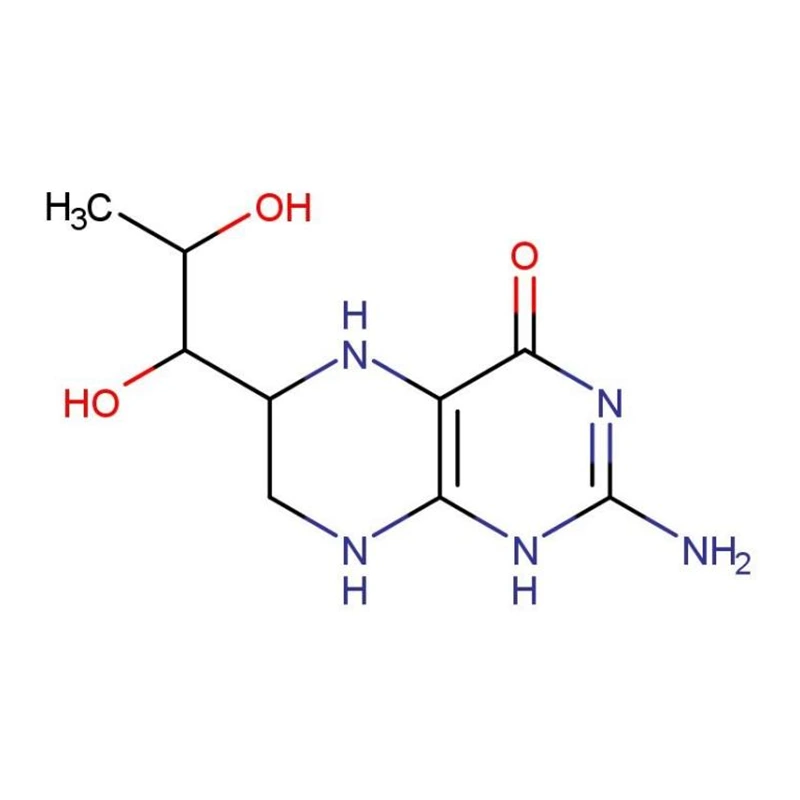
Sapropterin is a synthetic form of tetrahydrobiopterin (BH4), a naturally occurring cofactor involved in the metabolism of phenylalanine. It is primarily used in the treatment of phenylketonuria (PKU), a rare inherited metabolic disorder caused by deficiency or malfunction of the enzyme phenylalanine hydroxylase.
In individuals with PKU, phenylalanine accumulates in the bloodstream because the body cannot efficiently convert it into tyrosine. Elevated phenylalanine levels can damage the brain and nervous system if not properly controlled.
Sapropterin helps certain patients improve residual enzyme activity, leading to better phenylalanine metabolism. However, not all PKU patients respond to this therapy. A responsiveness test is typically required before long-term treatment begins.
| Feature | Description |
|---|---|
| Drug Type | Synthetic BH4 cofactor |
| Primary Use | Management of PKU |
| Administration | Oral medication |
| Target Patients | BH4-responsive PKU patients |
Sapropterin functions by enhancing the activity of phenylalanine hydroxylase in responsive individuals. This enzyme normally converts phenylalanine into tyrosine, an amino acid essential for neurotransmitter production and protein synthesis.
When BH4 levels are optimized through Sapropterin supplementation, residual enzyme function may improve significantly. As a result, blood phenylalanine concentrations decrease.
Key Mechanism: Sapropterin does not cure PKU. Instead, it enhances the efficiency of remaining enzyme activity in patients who are responsive to BH4 therapy.
Patients with complete absence of enzyme activity may not respond adequately. Genetic variations strongly influence treatment outcomes.
Not every individual diagnosed with PKU is a suitable candidate for Sapropterin therapy. Healthcare professionals usually perform a BH4 responsiveness evaluation before initiating treatment.
Potential candidates include:
Some patients experience substantial reductions in phenylalanine levels, while others may see only limited improvement.
Sapropterin has transformed the treatment landscape for many responsive PKU patients. While dietary therapy remains central, medication support can significantly improve daily living.
Reduced blood phenylalanine levels help lower neurological risk and improve cognitive outcomes.
Some responsive patients may tolerate higher natural protein intake.
Reduced dietary burden can improve social interactions and emotional wellbeing.
Sapropterin can help stabilize metabolic control over time.
The initiation of Sapropterin therapy usually follows a structured clinical protocol.
| Step | Purpose |
|---|---|
| Diagnosis Confirmation | Verify PKU severity and genetics |
| Baseline Testing | Measure phenylalanine concentrations |
| Responsiveness Trial | Evaluate metabolic response |
| Dose Adjustment | Optimize therapeutic effect |
| Long-Term Monitoring | Maintain safe phenylalanine levels |
Close collaboration between metabolic specialists, dietitians, caregivers, and patients is essential for successful treatment.
Sapropterin is generally administered orally once daily with food. The dosage depends on body weight, treatment response, and physician recommendations.
Consistency is critical. Missing doses may lead to fluctuations in phenylalanine levels.
Important Reminder: Patients should never modify dosage without professional medical supervision.
Healthcare providers frequently adjust dietary phenylalanine intake based on therapeutic response.
Even with successful Sapropterin treatment, dietary management remains a cornerstone of PKU therapy.
Patients often ask whether they can completely stop dietary restrictions after starting medication. In most cases, the answer is no. However, many individuals can gradually increase natural protein intake under medical supervision.
Dietitians specializing in metabolic disorders play a critical role in adjusting nutrition plans safely.
Like all medications, Sapropterin may cause side effects in certain individuals.
| Common Side Effects | Less Common Concerns |
|---|---|
|
|
Patients should promptly report unusual symptoms or treatment concerns to their healthcare provider.
Frequent blood testing is necessary during Sapropterin treatment. Monitoring helps ensure safe phenylalanine levels and evaluates therapeutic effectiveness.
Laboratory evaluations may include:
Regular follow-up appointments allow clinicians to adjust medication dosage and dietary intake appropriately.
Children with PKU often face challenges related to strict dietary adherence. Sapropterin may provide important support for metabolic stability during critical developmental years.
Early intervention is essential because uncontrolled phenylalanine exposure can impair cognitive development.
Treatment decisions in pediatric patients should always involve experienced metabolic specialists and caregivers.
Growth, school performance, nutritional adequacy, and emotional wellbeing should all be monitored closely.
Maternal PKU management is critically important because elevated phenylalanine levels during pregnancy can cause severe fetal complications.
Women planning pregnancy require exceptionally tight metabolic control before conception and throughout gestation.
In some cases, Sapropterin may assist eligible patients in maintaining safer phenylalanine concentrations. However, treatment decisions during pregnancy require careful specialist supervision.
Preconception planning and ongoing metabolic monitoring remain essential for maternal PKU management.
The field of metabolic disease treatment continues to evolve rapidly. Researchers are exploring multiple innovative approaches for PKU management beyond traditional dietary therapy and Sapropterin.
Emerging areas include:
These advances may further improve long-term outcomes and patient quality of life in the future.
No. Sapropterin does not cure PKU. It helps certain responsive patients improve phenylalanine metabolism and maintain safer blood levels.
Some patients show improvements within days, while others may require several weeks of evaluation and dose adjustment.
No. Only patients with BH4-responsive PKU typically benefit from therapy.
Most patients still require dietary management, although some may tolerate more natural protein intake.
Yes. Continuous monitoring helps maintain safe metabolic control and supports long-term treatment success.
Sapropterin represents a significant advancement in the management of phenylketonuria. For responsive patients, this therapy can improve phenylalanine metabolism, increase dietary flexibility, and enhance overall quality of life.
Successful treatment requires careful patient selection, regular monitoring, nutritional management, and close collaboration with healthcare professionals. As research in metabolic disorders continues to advance, treatment strategies for PKU are expected to become even more personalized and effective.
For pharmaceutical ingredients, metabolic disorder solutions, and specialized healthcare support, Cosper Pharma Tech Co., Ltd. continues to focus on quality-driven innovation and professional service in the pharmaceutical industry.
The experienced team at Cosper Pharma Tech Co., Ltd. is ready to assist your business needs with responsive service and dependable manufacturing support.
Contact Us Today