We are glad to share with you about the results of our work, company news, and give you timely developments and personnel appointment and removal conditions.
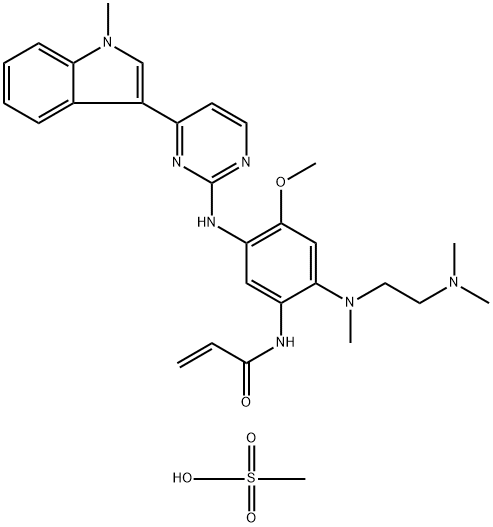
Osimertinib (AZD9291, marketed as Tagrisso®) is a third-generation, irreversible epidermal growth factor receptor (EGFR) tyrosine kinase inhibitor developed by AstraZeneca for the treatment of non-small cell lung cancer (NSCLC) harboring EGFR T790M resistance mutations .
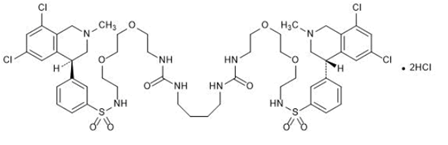
Tenapanor is the world's first intestinal sodium/hydrogen exchanger 3 (NHE3) inhibitor, and also the first intestinal phosphorus absorption inhibitor, with outstanding phosphorus-lowering efficacy and convenient administration. When used in combination with phosphorus binders, it can synergistically enhance the phosphorus-lowering benefit, while greatly reducing the number of daily pills taken by patients and the total volume of medications, significantly alleviating the burden of long-term medication.
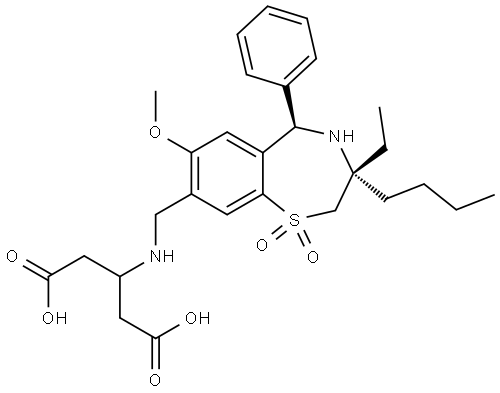
Currently, the first-line drug for the treatment of PBC is ursodeoxycholic acid (UDCA), and the second-line drug obeticholic acid (OCA) has been withdrawn from the market due to efficacy issues. In 2024, the FDA approved the dual PPARα/δ agonist Elafibranor and the selective PPARδ agonist Seladelpar. Linerixibat is the first and currently the only drug specifically approved for pruritus in PBC. Other drugs mainly target disease progression or biochemical indicators, which provides more options for PBC patients.
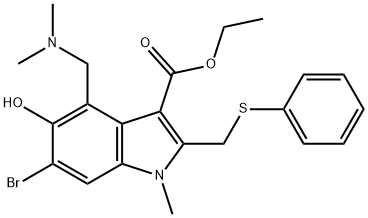
Arbidol (umifenovir) is a broad-spectrum antiviral drug licensed for the treatment of influenza A and B in Russia since 2003 and in China since 2006, with a non-nucleoside membrane fusion inhibition mechanism that prevents the interaction of the influenza virus with the host cell. The synthesis of this API requires a sequence of precisely controlled steps, with Arbidol Hydrochloride being obtained through a six-step route: Nenitzescu reaction, acylation for phenolic hydroxyl protection, bromination, thiophenolisation, Mannich reaction, and final hydrochloride salt formation.
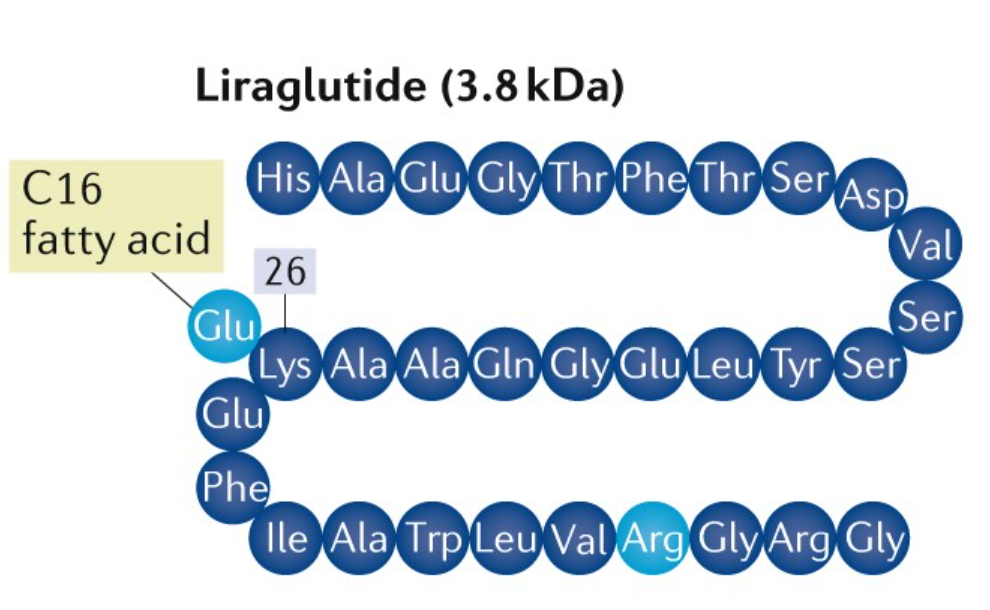
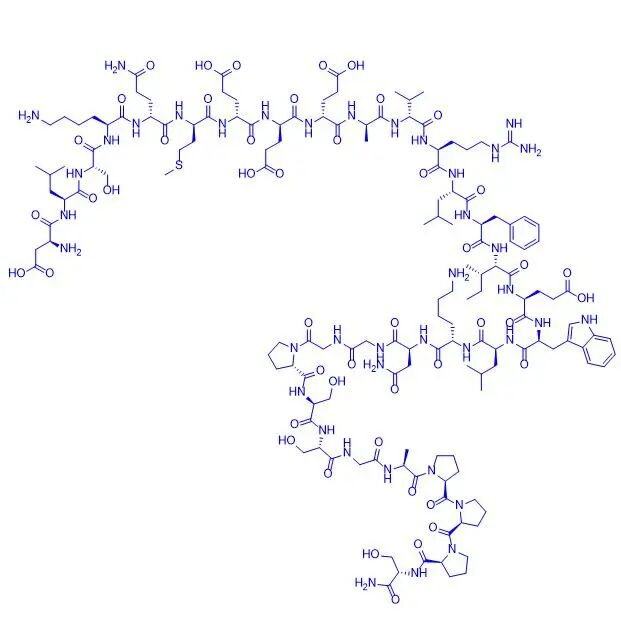
Avexitide is the GLP-1 receptor antagonist with the fastest global R&D progress; its comprehensive development pipeline encompasses key milestones—including basic discovery, multi-phase clinical exploration, rights acquisition, and breakthroughs in pivotal Phase III clinical trials—and it has now entered the final sprint phase toward regulatory submission for marketing authorization.
We use cookies to offer you a better browsing experience, analyze site traffic and personalize content. By using this site, you agree to our use of cookies. Privacy Policy


 07 2026-09
 03 2026-09
 02 2026-09
 26 2026-08
 21 2026-08