
Pralatrexate is a specialized antifolate chemotherapy drug primarily used for the treatment of relapsed or refractory peripheral T-cell lymphoma (PTCL). Since its introduction, it has become an important therapeutic option for patients who have limited treatment alternatives. This article explores what Pralatrexate is, how it works, its advantages over traditional antifolate therapies, clinical applications, efficacy, safety profile, administration considerations, patient management strategies, and emerging research directions. Whether you are a healthcare professional, researcher, pharmaceutical distributor, or someone seeking information about advanced oncology treatments, this guide provides a detailed overview of Pralatrexate and its growing significance in cancer care.
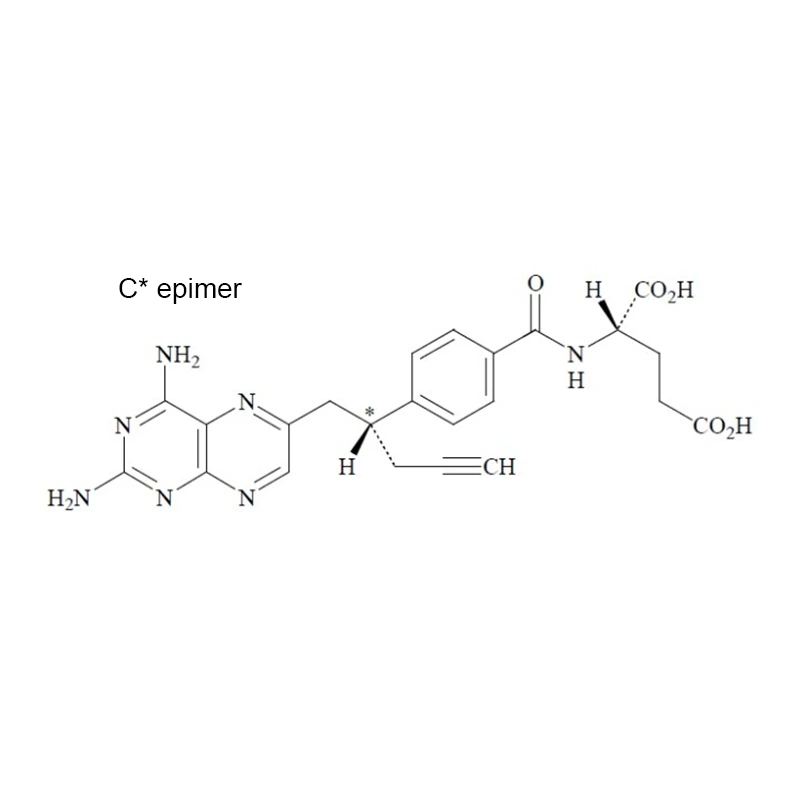
Pralatrexate is a folate analog metabolic inhibitor designed specifically to target cancer cells with enhanced efficiency. It belongs to a class of anticancer drugs known as antifolates, which interfere with cellular DNA synthesis and replication.
The drug was developed to improve intracellular accumulation compared with earlier antifolate therapies. Through optimized molecular design, Pralatrexate demonstrates increased affinity for reduced folate carriers, enabling better uptake into malignant cells.
Today, Pralatrexate is most widely recognized for treating relapsed or refractory peripheral T-cell lymphoma, a rare and aggressive type of non-Hodgkin lymphoma.
Cancer cells require folate-dependent biochemical pathways to produce DNA and RNA. These pathways are essential for rapid cell division and tumor growth.
Pralatrexate enters cancer cells through reduced folate carrier-1 (RFC-1), a transport system often highly expressed in malignant tissues. Once inside the cell, it undergoes polyglutamylation, allowing it to remain trapped within the tumor cell for extended periods.
This process leads to inhibition of key enzymes involved in nucleotide biosynthesis, ultimately preventing DNA replication and inducing cancer cell death.
Researchers sought to overcome limitations associated with older antifolate agents by creating a molecule capable of improved tumor targeting.
Traditional antifolates often faced challenges related to insufficient tumor uptake and resistance mechanisms. Pralatrexate was engineered to maximize transport into malignant cells while increasing retention within tumor tissues.
Its development represented an important advancement in targeted chemotherapy, offering a more efficient approach to disrupting folate metabolism in cancer cells.
Although most commonly associated with peripheral T-cell lymphoma, ongoing research continues to evaluate additional therapeutic applications.
| Disease Area | Current Status |
|---|---|
| Peripheral T-Cell Lymphoma | Established Clinical Use |
| Cutaneous T-Cell Lymphoma | Investigational Studies |
| B-Cell Malignancies | Research Ongoing |
| Combination Oncology Regimens | Emerging Interest |
The unique design of Pralatrexate provides several important advantages compared with conventional therapies.
For patients experiencing disease recurrence after multiple treatment lines, Pralatrexate may provide an additional therapeutic option when alternatives are limited.
| Feature | Pralatrexate | Traditional Antifolates |
|---|---|---|
| Tumor Uptake | High | Moderate |
| Intracellular Retention | Enhanced | Variable |
| PTCL Activity | Established | Limited |
| Molecular Optimization | Advanced | Earlier Generation |
Pralatrexate is administered intravenously under professional medical supervision. Treatment schedules are determined according to disease characteristics, patient condition, and physician recommendations.
Supportive supplementation with folic acid and vitamin B12 is commonly utilized to help reduce treatment-related toxicities.
Like many anticancer therapies, Pralatrexate may cause adverse reactions. Effective monitoring and supportive care are essential components of treatment management.
| Potential Side Effect | Management Strategy |
|---|---|
| Mucositis | Oral care protocols and dose adjustments |
| Fatigue | Rest and supportive care |
| Nausea | Antiemetic therapy |
| Anemia | Regular monitoring |
| Thrombocytopenia | Laboratory evaluation |
Patient education and proactive symptom management can significantly improve treatment adherence and quality of life.
Patient selection remains one of the most important factors in achieving successful outcomes.
Pralatrexate may be particularly valuable for:
A multidisciplinary evaluation involving oncologists, pharmacists, and supportive care specialists helps determine suitability.
Numerous clinical studies have evaluated the efficacy and safety profile of Pralatrexate in hematologic malignancies.
Research has demonstrated meaningful responses in patients with relapsed or refractory PTCL, supporting its role as an important therapeutic option within modern oncology practice.
Investigators continue to examine:
The future of Pralatrexate may extend beyond its current approved indications. Advances in molecular oncology continue to reveal new opportunities for targeted treatment approaches.
Several promising areas include:
As scientific understanding evolves, Pralatrexate may become integrated into increasingly sophisticated treatment pathways.
Q1: What type of drug is Pralatrexate?
Pralatrexate is an antifolate chemotherapy medication designed to inhibit DNA synthesis in rapidly dividing cancer cells.
Q2: What cancer is Pralatrexate primarily used for?
It is primarily used in relapsed or refractory peripheral T-cell lymphoma.
Q3: How is Pralatrexate administered?
The drug is administered intravenously under healthcare professional supervision.
Q4: Why are folic acid and vitamin B12 often used during treatment?
These supplements may help reduce certain treatment-related toxicities and improve tolerability.
Q5: Can Pralatrexate be combined with other cancer treatments?
Researchers continue to evaluate combination strategies involving chemotherapy, targeted therapies, and immunotherapeutic agents.
Q6: What makes Pralatrexate different from older antifolate drugs?
Its molecular design enhances cellular uptake and intracellular retention, potentially improving antitumor activity.
Pralatrexate represents a significant advancement in antifolate cancer therapy. By improving tumor cell uptake and retention, it addresses some limitations associated with earlier generations of antifolate drugs. Its established role in relapsed or refractory peripheral T-cell lymphoma has provided new hope for patients facing challenging treatment situations.
As oncology research continues to advance, Pralatrexate remains an important area of scientific interest. Ongoing studies exploring novel combinations, expanded indications, and personalized treatment approaches may further enhance its clinical value in the years ahead.
Looking for reliable pharmaceutical intermediates, oncology-related compounds, or professional industry support? Cosper Pharma Tech Co., Ltd. is committed to providing high-quality pharmaceutical solutions, technical expertise, and responsive customer service for global partners.
Whether you are a pharmaceutical manufacturer, research institution, distributor, or healthcare industry professional, our team is ready to support your requirements.
Contact us today to discuss your project and discover how Cosper Pharma Tech Co., Ltd. can help accelerate your success.