
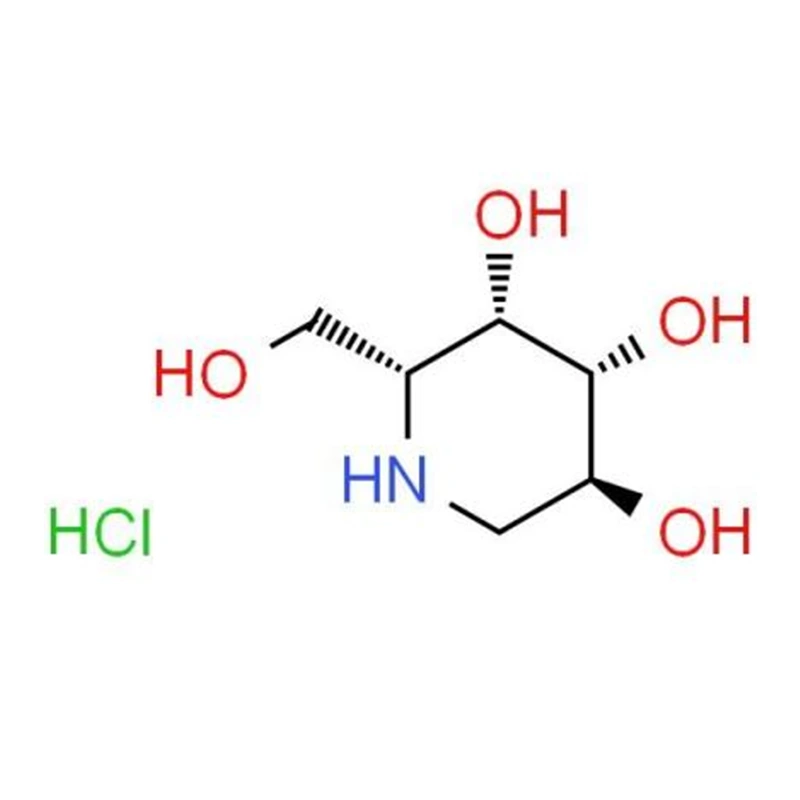
Migalastat is an innovative oral therapy designed for the treatment of Fabry disease, a rare genetic lysosomal storage disorder that affects multiple organs and significantly reduces quality of life. Unlike traditional enzyme replacement therapies, Migalastat works by stabilizing certain forms of the body’s own enzyme, allowing it to function more effectively. This article provides a complete and in-depth overview of Migalastat, including its mechanism of action, clinical applications, benefits, limitations, patient suitability, safety profile, and real-world therapeutic impact. It is designed to help patients, caregivers, and healthcare stakeholders better understand how this precision medicine is reshaping long-term disease management strategies.
Fabry disease is a rare inherited lysosomal storage disorder caused by mutations in the GLA gene, which leads to deficient or absent activity of the enzyme alpha-galactosidase A (α-Gal A). This enzyme deficiency results in the accumulation of globotriaosylceramide (Gb3) in various tissues, including blood vessels, kidneys, heart, and nervous system. Over time, this buildup leads to progressive organ damage, chronic pain, kidney failure, heart disease, and reduced life expectancy.
Migalastat is an oral pharmacological chaperone developed as a targeted therapy for Fabry disease patients with specific “amenable” genetic mutations. Instead of replacing the enzyme externally, it stabilizes the patient’s own enzyme, helping it fold correctly and reach lysosomes where it can break down accumulated substrates.
This mechanism represents a significant advancement in personalized medicine, offering an alternative to lifelong intravenous enzyme replacement therapy (ERT).
Migalastat functions as a reversible competitive inhibitor that binds selectively to certain misfolded forms of alpha-galactosidase A. These mutations often produce enzymes that are structurally unstable but still potentially functional.
Its mechanism can be summarized in three key steps:
This “pharmacological chaperone” approach ensures that endogenous enzyme proteins are rescued instead of replaced.
Key biological outcome: Reduction of Gb3 accumulation and improvement in cellular function across multiple organs.
Migalastat is not suitable for all Fabry disease patients. Its effectiveness depends on whether a patient has a genetically “amenable” mutation.
Ideal candidates typically include:
Genetic testing is essential before starting therapy, as only specific mutations respond effectively to Migalastat.
Migalastat is typically administered as an oral capsule taken every other day. It should be taken on an empty stomach to optimize absorption.
| Parameter | Details |
|---|---|
| Form | Oral capsule |
| Dosage frequency | Every other day |
| Administration condition | Empty stomach (2 hours before or after food) |
| Storage | Room temperature, dry place |
Patients must adhere strictly to dosing schedules to maintain consistent enzyme stabilization effects.
Migalastat provides several important advantages compared to traditional therapies, particularly for suitable genetic profiles.
These benefits significantly improve patient adherence and quality of life.
Despite its advantages, Migalastat has several limitations that must be considered.
These constraints highlight the importance of personalized genetic screening before treatment initiation.
Migalastat and enzyme replacement therapy (ERT) represent two distinct approaches to Fabry disease management. The following table outlines their key differences.
| Feature | Migalastat | ERT (Enzyme Replacement Therapy) |
|---|---|---|
| Route of administration | Oral capsule | Intravenous infusion |
| Frequency | Every other day | Every 2 weeks |
| Mechanism | Pharmacological chaperone | Enzyme replacement |
| Patient eligibility | Amenable mutations only | Broad applicability |
| Clinical setting | At home | Hospital/clinic |
Each therapy has its strengths, and treatment decisions depend on genetic profile, disease severity, and patient preference.
Migalastat is generally well tolerated, but like all medications, it may cause side effects in some individuals.
Commonly reported side effects include:
Serious adverse effects are rare but require medical attention if they occur. Regular monitoring of kidney and heart function is recommended during treatment.
The treatment journey with Migalastat begins with genetic confirmation of an amenable mutation. Once eligibility is confirmed, patients transition into a structured treatment plan.
Continuous monitoring ensures that treatment remains effective and adjusts to disease progression when necessary.
Clinical studies have demonstrated that Migalastat can improve or stabilize kidney function, reduce left ventricular mass in the heart, and decrease disease biomarkers in suitable patients.
Long-term observational studies suggest sustained efficacy when patients maintain adherence to treatment protocols. Research continues to evaluate its role in broader Fabry disease management strategies.
Ongoing clinical trials are also exploring combination therapies and long-term organ protection outcomes.
Q1: Is Migalastat a cure for Fabry disease?
No, Migalastat is not a cure. It helps manage symptoms and slows disease progression in eligible patients.
Q2: How quickly does Migalastat work?
Biochemical improvements can be observed within months, but clinical benefits may take longer depending on disease severity.
Q3: Can children use Migalastat?
Current approvals primarily focus on adult patients, though research is ongoing for pediatric use.
Q4: What happens if a dose is missed?
Patients should take the missed dose as soon as possible unless it is close to the next scheduled dose.
Q5: Is long-term use safe?
Long-term studies indicate generally favorable safety, but ongoing monitoring is required.
Migalastat represents a significant advancement in the treatment of Fabry disease by offering a targeted, oral therapeutic option for patients with specific genetic mutations. Its ability to stabilize endogenous enzyme function provides a unique approach that differs fundamentally from traditional enzyme replacement therapies.
As research progresses, Migalastat may play an increasingly important role in precision medicine strategies for rare genetic disorders. Continued clinical monitoring and innovation will further refine its applications and improve long-term patient outcomes.
With growing awareness and genetic screening capabilities, more patients may gain access to this therapy, transforming how Fabry disease is managed globally.
For more professional pharmaceutical solutions, research collaboration, and advanced formulation support related to rare disease therapies, please reach out to:
Cosper Pharma Tech Co., Ltd. specializes in high-quality pharmaceutical development and innovative therapeutic technologies designed to support global healthcare needs.
If you are interested in partnership opportunities, product inquiries, or technical consultation, feel free to contact us. Our team is ready to support your project from development to commercialization.
Contact us today to explore advanced pharmaceutical solutions with Cosper Pharma Tech Co., Ltd.
![4,4,5,5-Tetramethyl-2-(2-methyl-[1,1'-biphenyl]-3-yl)-1,3,2-dioxaborolane](https://www.cosperpharma.com/upload/8820/4-4-5-5-tetramethyl-2-2-methyl-1-1-biphenyl-3-yl-1-3-2-dioxaborolane-199456.webp "4,4,5,5-Tetramethyl-2-(2-methyl-[1,1'-biphenyl]-3-yl)-1,3,2-dioxaborolane")