
Osimertinib has transformed the treatment landscape for patients with non-small cell lung cancer (NSCLC), especially those carrying EGFR mutations. Compared with traditional chemotherapy, this targeted therapy offers improved survival rates, better brain penetration, and fewer severe systemic toxicities. However, many patients and healthcare buyers still face questions regarding effectiveness, safety, resistance mechanisms, affordability, and long-term outcomes.
This article explains how Osimertinib works, who can benefit from it, what side effects may occur, how resistance develops, and what future innovations are emerging. Whether you are a healthcare distributor, oncology researcher, pharmaceutical buyer, or patient seeking knowledge, this detailed guide provides valuable insights into one of the most important targeted cancer therapies available today.
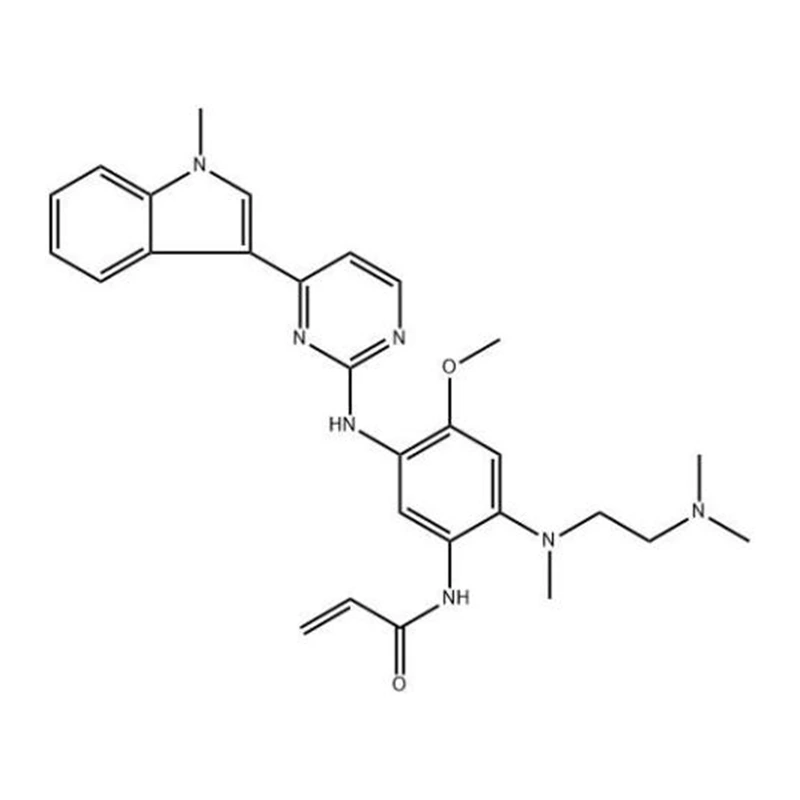
Osimertinib is a third-generation epidermal growth factor receptor (EGFR) tyrosine kinase inhibitor (TKI) designed primarily for the treatment of EGFR-mutated non-small cell lung cancer. It specifically targets mutations that drive tumor growth while minimizing damage to healthy cells.
Unlike traditional chemotherapy, which attacks both cancerous and healthy rapidly dividing cells, Osimertinib focuses on genetic abnormalities inside cancer cells. This precision-based approach has significantly improved treatment outcomes for many lung cancer patients worldwide.
Osimertinib became highly recognized because of its ability to overcome resistance mutations such as T790M, which commonly develop after earlier EGFR inhibitors fail.
Lung cancer remains one of the leading causes of cancer-related deaths globally. Traditional chemotherapy has helped countless patients, but it often comes with severe toxicity and inconsistent effectiveness.
The rise of targeted therapy introduced a new era of precision medicine. Instead of treating all tumors identically, doctors can now identify specific genetic mutations and select therapies designed for those molecular changes.
For patients with EGFR mutations, Osimertinib offers several important improvements:
| Treatment Factor | Traditional Chemotherapy | Osimertinib |
|---|---|---|
| Target Specificity | Low | High |
| Hair Loss Risk | Common | Less Common |
| Oral Administration | Usually No | Yes |
| Brain Metastases Control | Limited | Strong |
Cancer cells with EGFR mutations rely heavily on abnormal signaling pathways for uncontrolled growth and survival. Osimertinib blocks these pathways by irreversibly binding to mutant EGFR proteins.
Once the signaling is interrupted:
One major reason Osimertinib gained international recognition is its ability to selectively target mutated EGFR while sparing normal EGFR activity more effectively than earlier-generation inhibitors.
Not all lung cancer patients are suitable candidates for Osimertinib. Genetic testing is essential before treatment begins.
Patients who may benefit include:
Molecular diagnostics play a central role in therapy selection. Without accurate biomarker testing, patients may receive ineffective treatment and lose valuable time.
| Patient Type | Potential Benefit |
|---|---|
| EGFR-positive NSCLC | High |
| EGFR-negative NSCLC | Limited |
| Brain metastases patients | Significant |
| Patients resistant to earlier EGFR TKIs | Strong |
Osimertinib offers multiple benefits compared with older treatment approaches.
Clinical studies consistently demonstrate extended progression-free survival and overall survival.
Patients often experience fewer severe systemic side effects compared with chemotherapy.
The drug crosses the blood-brain barrier effectively, improving intracranial disease control.
Daily oral tablets simplify administration and reduce hospital dependency.
Many patients fear the harsh side effects associated with chemotherapy. Although chemotherapy remains important in oncology, Osimertinib provides a more personalized option for genetically eligible patients.
Key differences include:
| Feature | Chemotherapy | Osimertinib |
|---|---|---|
| Treatment Method | Non-specific cell killing | Targeted mutation inhibition |
| Administration | Intravenous infusion | Oral tablet |
| Nausea Severity | Higher | Lower |
| Targeted Action | No | Yes |
Although Osimertinib is generally better tolerated than chemotherapy, side effects can still occur.
Common adverse reactions include:
More serious but less common complications may include:
Regular monitoring is critical to ensure patient safety during therapy.
Despite impressive outcomes, resistance remains a major challenge in oncology.
Over time, cancer cells may adapt through additional mutations or activation of alternative signaling pathways. This can reduce the effectiveness of Osimertinib.
Resistance mechanisms may include:
Researchers continue investigating combination therapies and next-generation inhibitors to overcome resistance.
Brain metastases are a common and devastating complication of advanced lung cancer. Many drugs struggle to penetrate the blood-brain barrier effectively.
Osimertinib has shown remarkable ability to reach the central nervous system. This characteristic helps control brain lesions more effectively than many earlier EGFR inhibitors.
Benefits may include:
This capability is one of the major reasons Osimertinib is considered a major advancement in targeted lung cancer therapy.
Oncology research continues evolving rapidly. Scientists are exploring combination regimens, biomarker-driven approaches, and novel molecular technologies.
Future directions may include:
Precision medicine is expected to become even more individualized, allowing patients to receive therapies optimized for their unique tumor biology.
Treatment duration varies depending on therapeutic response, disease progression, and tolerability. Some patients remain on therapy for several years.
Osimertinib is generally used to control disease progression and improve survival rather than provide a complete cure for advanced cancer.
Yes. EGFR mutation testing is essential to determine whether Osimertinib is appropriate.
In some cases, oncologists may combine it with chemotherapy or investigational agents depending on disease progression and clinical evidence.
Patients should follow medical guidance carefully, disclose all medications, and attend regular monitoring appointments.
Osimertinib represents a major advancement in the treatment of EGFR-mutated non-small cell lung cancer. Its targeted mechanism, ability to overcome resistance mutations, and effectiveness against brain metastases have significantly changed patient expectations and clinical outcomes.
Although challenges such as resistance and treatment costs still exist, continuous innovation in precision oncology continues to improve patient care worldwide.
For healthcare professionals, pharmaceutical distributors, oncology researchers, and procurement specialists, understanding the evolving role of Osimertinib is essential for staying competitive in the rapidly advancing cancer treatment landscape.
Cosper Pharma Tech Co., Ltd. is committed to supporting global healthcare innovation with professional pharmaceutical solutions and industry expertise.
Contact us today to explore partnership opportunities, product inquiries, and customized pharmaceutical support services.