Azithromycin is a semi‑synthetic 15‑membered macrolide antibiotic belonging to the azalide subclass, derived from erythromycin A through a Beckman rearrangement. The molecule has the molecular formula C₃₈H₇₂N₂O₁₂ and a molecular weight of 748.98 g/mol .
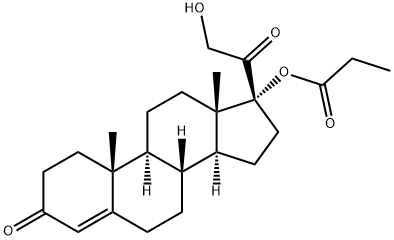
Clascoterone (cortexolone 17α-propionate, CB-03-01) is a first-in-class topical androgen receptor antagonist with a peripherally selective mechanism of action. Structurally, Clascoterone is a synthetic steroid derived from cortexolone (11-deoxycortisol), featuring a propionate ester at the C17α position and a 2-hydroxyacetyl side chain at C17. This unique molecular architecture enables Clascoterone to act as a potent androgen antagonist that is rapidly metabolized upon systemic absorption, thereby limiting systemic androgenic or antiandrogenic effects while maintaining robust local activity in the skin.
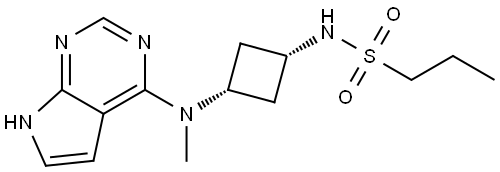
Abrocitinib is a small-molecule Janus kinase (JAK) 1 inhibitor approved for the treatment of moderate-to-severe atopic dermatitis in adults and adolescents. Chemically, Abrocitinib selectively inhibits JAK1, modulating the JAK-STAT signalling pathway that plays a key role in the pathogenesis of atopic dermatitis. As the active pharmaceutical ingredient in CIBINQO®, Abrocitinib provides a targeted oral therapy for patients who are candidates for systemic therapy.
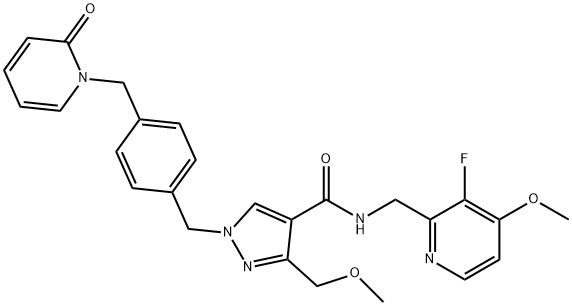
Sebetralstat is a potent and selective small-molecule plasma kallikrein inhibitor developed as the first oral, on-demand treatment for acute attacks of hereditary angioedema (HAE) . Chemically, Sebetralstat (also known as KVD900) inhibits plasma kallikrein, the enzyme responsible for converting high-molecular-weight kininogen to bradykinin, the key mediator of angioedema .
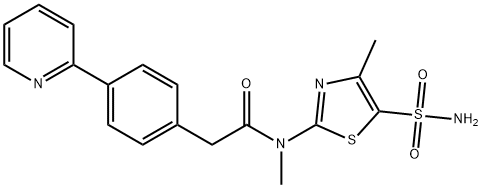
Pritelivir is a first-in-class, orally bioavailable viral helicase-primase inhibitor in development for the treatment of herpes simplex virus (HSV) infections, particularly in immunocompromised patients with acyclovir-refractory disease . Chemically, Pritelivir targets the viral helicase-primase complex, a novel mechanism of action distinct from nucleoside analogues like acyclovir .
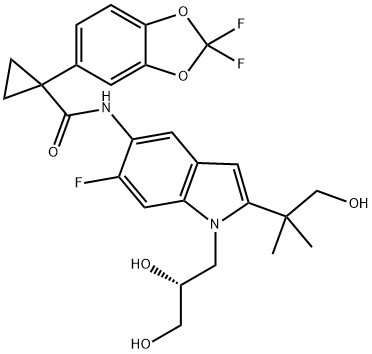
Tezacaftor is a cystic fibrosis transmembrane conductance regulator (CFTR) corrector that is a key component of the triple-combination therapy TRIKAFTA® (elexacaftor/tezacaftor/ivacaftor) for the treatment of cystic fibrosis in patients with at least one F508del mutation . Chemically, Tezacaftor functions as a CFTR corrector, improving the processing and trafficking of defective CFTR proteins to the cell surface.
We use cookies to offer you a better browsing experience, analyze site traffic and personalize content. By using this site, you agree to our use of cookies. Privacy Policy