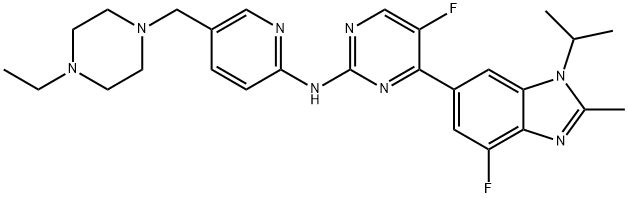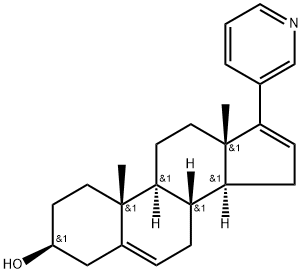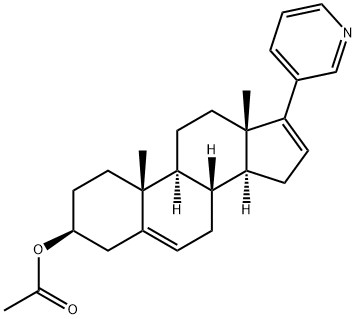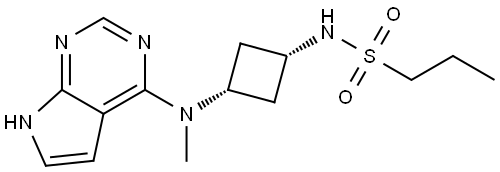

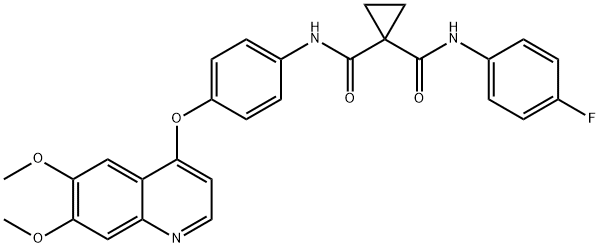
Cabozantinib is a potent, orally active multi-tyrosine kinase inhibitor (TKI) that targets multiple receptor tyrosine kinases involved in tumor growth, angiogenesis, and metastasis. Structurally, Cabozantinib features a quinoline core substituted with a dimethoxyphenyl ether at the 4-position, linked through an amide bond to a fluorophenylcarbamoyl cyclopropane moiety.
Cabozantinib is a clinically validated multi-tyrosine kinase inhibitor that has transformed the treatment landscape for multiple advanced cancers. As a potent inhibitor of VEGFR2, c-Met, RET, and other key kinases, Cabozantinib simultaneously targets tumor angiogenesis, tumor cell proliferation, and the metastatic process. Cabozantinib is approved for the treatment of progressive, metastatic medullary thyroid cancer and advanced renal cell carcinoma, and has demonstrated clinical activity in hepatocellular carcinoma. Cabozantinib is administered orally as the malate salt and exhibits favorable pharmacokinetic properties including good oral bioavailability and a long half-life supporting once-daily dosing. Cabozantinib continues to be studied in clinical trials for additional indications including prostate cancer, breast cancer, and other solid tumors. The compound is supplied as a high-purity research grade material (≥98% HPLC) for drug discovery, formulation development, and analytical reference applications.
Product Parameters
Parameter
Specification
Product Name
Cabozantinib
CAS Number
849217-68-1
Molecular Formula
C₂₈H₂₄FN₃O₅
Molecular Weight
501.51 g/mol
Appearance
White powder
Density
1.396
Melting Point
212-215℃
Boiling Point
758.1±60.0℃
Storage Condition
Store at -20°C (long-term)
Anticancer drugs
Cabozantinib is a novel molecular targeted drug developed by Exelixis Pharmaceuticals in the United States. On November 29,2012, the U.S. Food and Drug Administration (FDA) approved cabozantinib for the treatment of unresectable malignant locally advanced or metastatic medullary thyroid carcinoma. Additionally, sorafenib, vedernib, and lenvatinib have also been approved by the FDA for the treatment of advanced thyroid cancer.
Mechanism Of Action
In vitro biochemical and/or cytological analyses demonstrated that cabozantinib inhibits the tyrosine kinase activities of RET, human hepatocyte growth factor receptor (MET), vascular endothelial growth factor receptor 1 (VEGFR-1), VEGFR-2, VEGFR-3, stem cell growth factor receptor (KIT), tyrosine kinase receptor (TRKB), FMS-like tyrosine kinase 3 (FLT-3), AXL, and epidermal growth factor-like domain tyrosine kinase 2 (TIE-2). These kinases play critical roles in both normal cell and tumor cell growth processes, and their aberrant expression contributes significantly to the initiation and progression of various tumors, including inhibition of tumor cell apoptosis, participation in tumor angiogenesis, and promotion of invasion. Cabozantinib exerts its antitumor effects by suppressing these kinase activities, thereby killing tumor cells, reducing metastasis, and inhibiting tumor angiogenesis.
Adverse Reaction
In clinical trials, common adverse reactions associated with cabozantinib include diarrhea, stomatitis, palmar-plantar erythrodysesthesia syndrome (PPES), weight loss, anorexia, nausea, fatigue, oral pain, changes in hair color, taste disturbances, hypertension, abdominal pain, and constipation.
The most common laboratory abnormalities (≥25%) included elevated aspartate aminotransferase and alanine aminotransferase levels, lymphocytopenia, increased alkaline phosphatase, hypocalcemia, neutropenia, thrombocytopenia, hypophosphatemia, and hyperbilirubinemia. Among patients receiving cabozantinib therapy, thyroid-stimulating hormone (TSH) levels were elevated in 57% of cases after the first dose, compared to 19% in those receiving placebo.
Information regarding the anticancer drug cabozantinib, including its mechanism of action, pharmacokinetics, adverse reactions, and drug interactions, was compiled by Editor Shi Yan from Chemicalbook.
Contact Us
Advancing your oncology drug development program or preparing a generic submission for a multi-kinase inhibitor like Cabozantinib requires a partner who delivers both compound quality and regulatory expertise. Cosperpharm is here to support your success with high-purity Cabozantinib, comprehensive documentation, and responsive customer service. Contact our team today to discuss your requirements, request a quote, or learn more about our documentation packages.
Hot Tags: Cabozantinib, China, Manufacturer, Supplier, Factory
We use cookies to offer you a better browsing experience, analyze site traffic and personalize content. By using this site, you agree to our use of cookies.Privacy Policy