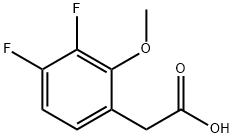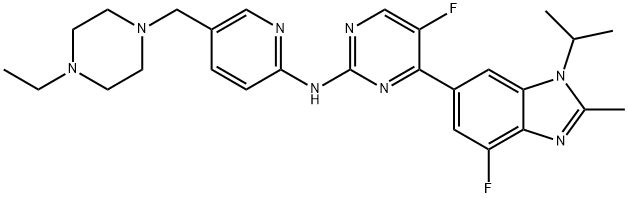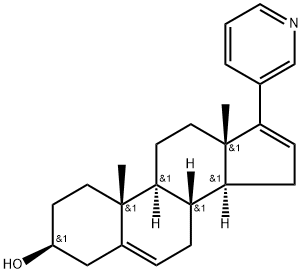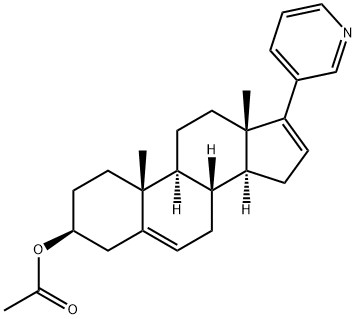

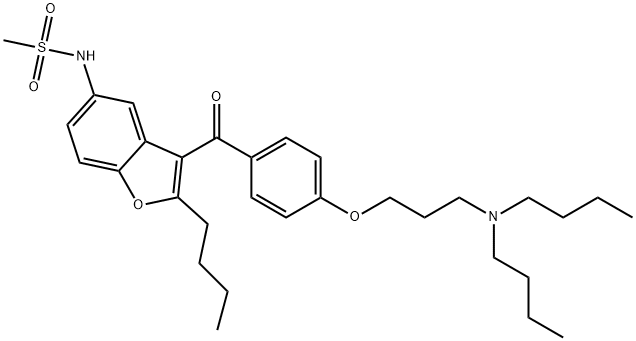
Dronedarone is the free‑base form of the antiarrhythmic drug used to restore and maintain normal sinus rhythm in patients with atrial fibrillation. As the non‑iodinated analogue of amiodarone, Dronedarone was rationally designed to retain antiarrhythmic efficacy while minimising the organ toxicity seen with its predecessor. Clinically, Dronedarone is administered as its hydrochloride salt (Multaq®), but the free base is an essential intermediate in the manufacturing process and a key reference standard for impurity profiling. In quality control settings, Dronedarone serves as a related substance (e.g., Dronedarone Related Compound A or unspecified impurity) for HPLC method validation and forced degradation studies. The well‑characterised pharmacological profile of Dronedarone—including its use in the ATHENA and EURIDIS trials—has established it as a valuable antiarrhythmic option, and the free base remains indispensable for both synthetic chemistry and regulatory analytical work.
Product Parameters
|
Parameter |
Specification |
|
Product Name |
Dronedarone |
|
CAS Number |
141626-36-0 |
|
Molecular Formula |
C₃₁H₄₄N₂O₅S |
|
Molecular Weight |
556.76 g/mol |
|
Appearance |
White to off white solid |
|
Melting Point |
65.3 °C |
|
Boiling Point |
683.3 °C |
|
Density |
1.143 ± 0.06 g/cm³ (predicted) |
|
Storage Condition |
2-8 °C |
Taboo
2.Second-or third-degree atrioventricular (AV) block or sick sinus syndrome (excluding cases with functional cardiac pacemakers);
3.Bradycardia <50 bpm;
4.Concomitant use of potent CYP3A inhibitors;
5.Simultaneously administer drugs and herbal remedies that prolong the QT interval and may induce torsades de pointes ventricular tachycardia.
6.The QTcBazett interval is ≥500 ms;
7.Severe liver injury;
8.Pregnancy;
9.Breastfeeding mother.
Indication
Pharmacokinetics
Absorption: Due to first-pass metabolism in the systemic circulation, the absolute bioavailability of dlenalidomide is low (approximately 4%) when administered without food. Administration with a high-fat meal increases it to approximately 15%, with peak plasma concentrations of dlenalidomide and its primary circulating active metabolite (N-debutyl metabolite) achieved within 3–6 hours after oral administration under food conditions. Repeated administration of 400 mg twice daily achieves steady-state levels within 4–8 days of treatment, with an average accumulation ratio ranging from 2.6 to 4.5. The steady-state Cmax and exposure of the primary N-debutyl metabolite are similar to those of the parent compound; however, the pharmacokinetics of both dlenalidomide and its N-debutyl metabolite moderately deviate from dose-proportionality: a doubling of dose results in approximately a 2.5–3.0-fold increase in Cmax and AUC.
Distribution: The plasma protein binding rate is 98%, primarily with albumin, and it exhibits extensive distribution throughout the body. Following intravenous administration, the apparent volume of distribution can reach 1200–1400 L. With oral administration twice daily, steady-state plasma concentrations are achieved within 5–7 days.
Metabolism: Decanedalone is extensively metabolized primarily by CYP3A. The initial metabolic pathways include N-debutylation to form the active N-debutyl metabolite, oxidative deamination to produce the inactive propionic acid metabolite, and direct oxidation. These metabolites undergo further metabolism, yielding over 30 unidentified metabolites. The N-debutyl metabolites exhibit pharmacological activity, but with potency ranging from 1/10 to 1/3 that of decanedalone.
Excretion: Approximately 6% of the labeled dose (14C-labeled) of decenalidone administered orally is excreted in urine, primarily as metabolites (no unchanged compounds are excreted in urine), while 84% is excreted in feces, mainly as metabolites. Decenalidone and its N-debutylated active metabolites account for less than 15% of the radioactivity detected in plasma. Following intravenous administration, the plasma clearance of decenalidone ranges from 130 to 150 L/h, with an elimination half-life of 13 to 19 hours.
Contact Us
Address
No. 2 Yangguang 3rd Road, Duodao Chemical Cycle Industrial Park, Jingmen City, Hubei Province, China
Tel