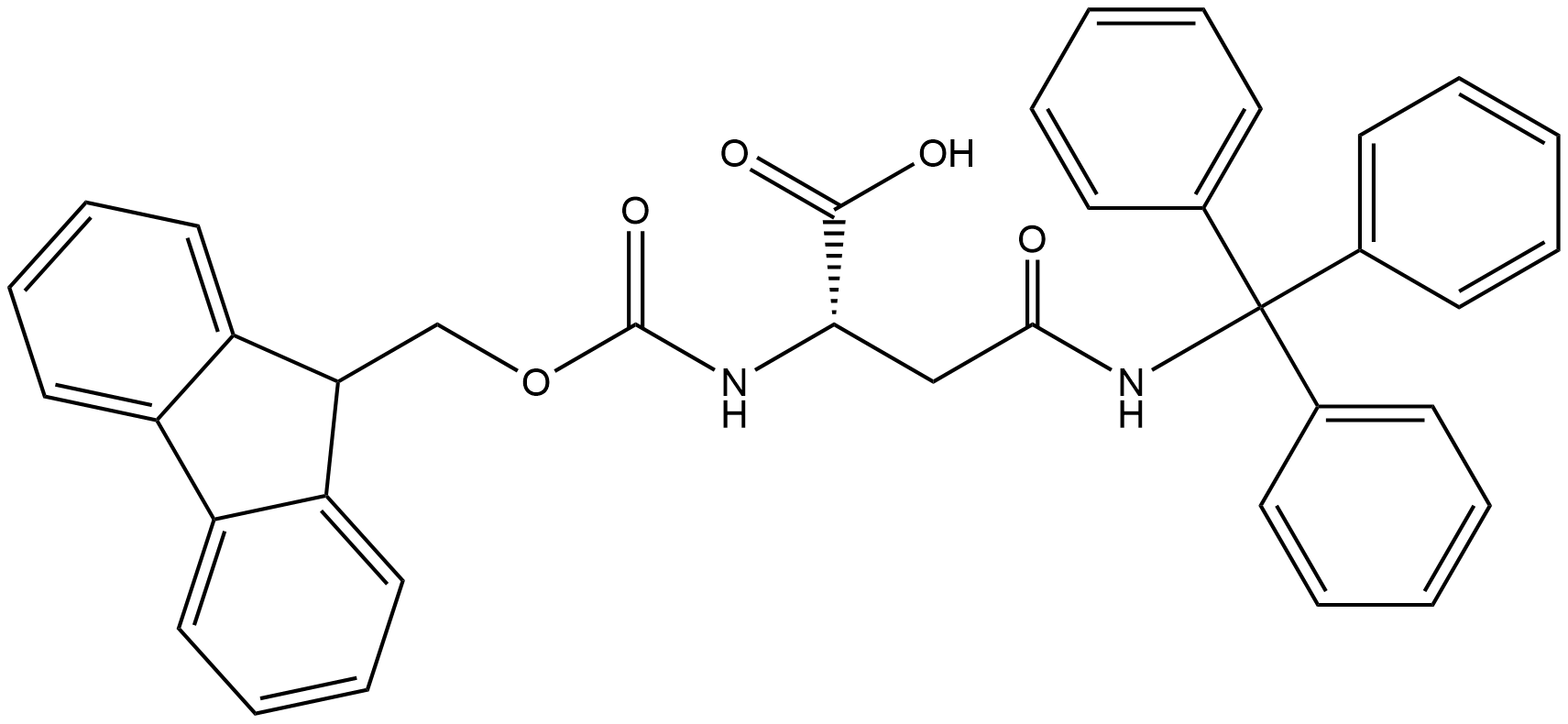
Fmoc-Asn(Trt)-OH is a fully protected L-asparagine derivative designed specifically for solid‑phase peptide synthesis. The α‑amino group is protected with the Fmoc group for chain elongation control, while the amide side chain of asparagine is protected with a trityl (triphenylmethyl, Trt) group. This orthogonal protection strategy is critical for asparagine, as its unsubstituted side chain amide can undergo undesirable side reactions including dehydration to cyanoalanine during peptide assembly.
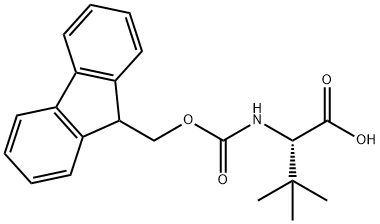
Fmoc-Tle-OH is an N‑Fmoc‑protected derivative of L‑tert‑leucine, a non‑proteinogenic amino acid characterized by a bulky tert‑butyl side chain at the α‑carbon position. The tert‑butyl group (‑C(CH₃)₃) imposes significant steric hindrance around the α‑carbon, creating a highly congested chiral center that confers exceptional conformational restriction upon incorporation into peptide sequences.
Fmoc-Ser(PO(OBzl)OH)-OH is an Fmoc-protected L-serine derivative featuring a phosphorylated side chain protected by a benzyl (OBzl) group on the phosphate moiety. Structurally, the molecule consists of an L-serine core with the primary amine protected by a 9-fluorenylmethoxycarbonyl (Fmoc) group — the standard base-labile protecting group for solid-phase peptide synthesis (SPPS) — and the serine side chain hydroxyl group converted to a phosphate ester and protected with a benzyl group.
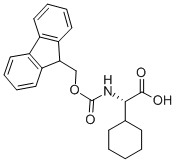
Fmoc-Chg-OH is an N‑Fmoc‑protected derivative of L‑cyclohexylglycine (L‑Chg‑OH), a non‑natural amino acid characterized by a bulky, hydrophobic cyclohexyl side chain at the α‑carbon position. Unlike the linear tert‑butyl group of L‑tert‑leucine, the cyclohexyl ring introduces a rigid, saturated six‑membered alicyclic scaffold that imposes well‑defined steric and conformational constraints upon incorporation into peptide sequences.
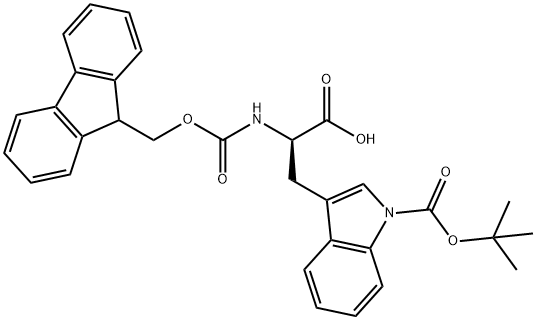
Fmoc-D-Trp(Boc)-OH is an Fmoc-protected D-tryptophan derivative bearing a Boc (tert-butoxycarbonyl) protecting group on the indole nitrogen of the tryptophan side chain. Structurally, the molecule consists of a D-configured tryptophan core, with the primary amine protected by a 9-fluorenylmethoxycarbonyl (Fmoc) group — a base-labile protecting group essential for solid-phase peptide synthesis (SPPS) — and the indole side chain protected by a Boc group to prevent undesired side reactions during chain assembly.
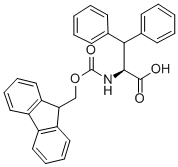
Fmoc-3,3-Diphenylalanine is a sterically hindered Fmoc-protected unnatural amino acid featuring two phenyl rings attached to the β-carbon of the alanine backbone. Structurally, the molecule comprises a fluorenylmethyloxycarbonyl (Fmoc) group protecting the α-amino functionality, a central chiral alanine-derived framework, and a geminal diphenyl substitution at the 3-position (Cβ). This unique 3,3-diphenyl substitution creates a highly congested structural motif with significant steric bulk around the side chain, imposing conformational constraints on the backbone when incorporated into peptides.
Cosper is a professional Intermediate manufacturer and supplier in China. We have an experienced sales team, professional technicians, and an after-sales service team.
We use cookies to offer you a better browsing experience, analyze site traffic and personalize content. By using this site, you agree to our use of cookies. Privacy Policy