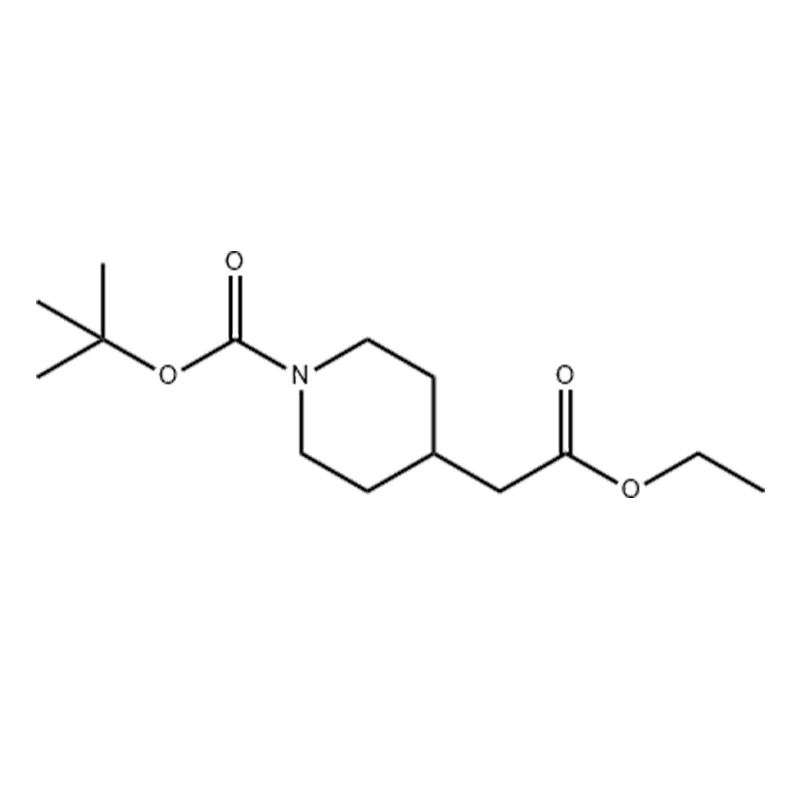
Tert-Butyl 4-(2-ethoxy-2-oxoethyl)piperidine-1-carboxylate (also known as 1-Boc-4-piperidine acetate ethyl ester) is a piperidine-based bifunctional molecule featuring a Boc-protected amine at the 1‑position and an ethyl acetate group at the 4‑position, where the combination of the acid-labile Boc group and the ester group provides orthogonal deprotection strategies, enabling controlled stepwise functionalization in multi‑step syntheses.
1-(3-Bromophenyl)-1H-pyrrole is an N-aryl pyrrole derivative in which a pyrrole ring is directly bonded at the 1-position to a 3‑bromophenyl group [0†L13-L15]. The electron-rich nature of the pyrrole heterocycle combined with the electron-withdrawing bromine substituent on the pendant phenyl ring creates a polarized π‑system that is amenable to further functionalization via cross‑coupling and other transformations.
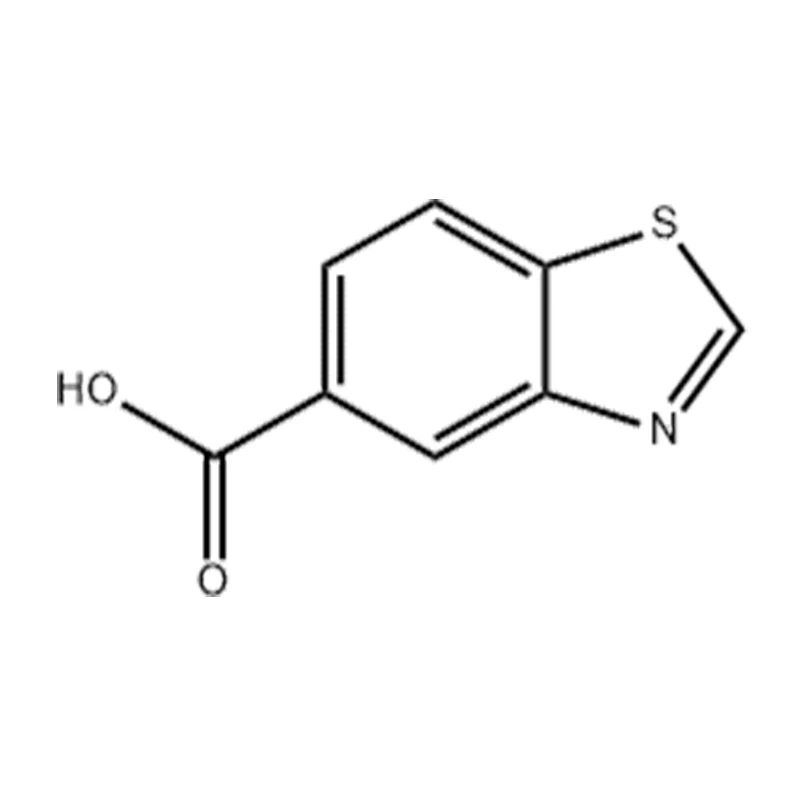
Benzothiazole-5-carboxylic acid (molecular formula: C₈H₅NO₂S, molecular weight: 179.20 g/mol) is a functionalized benzothiazole derivative featuring a carboxylic acid group at the 5‑position of the bicyclic ring system. The compound appears as a white to off‑white solid (melting point 261–262 °C) and is stable under room temperature storage when kept sealed and dry.
1-Methyl-5-oxo-3-pyrrolidinecarboxylic acid methyl ester is a heterocyclic ester built on a 2-pyrrolidone (γ-lactam) scaffold, featuring a methyl ketone group at the 5-position and a methyl ester at the 3-position, the precise arrangement of which provides a rigid, functional-group-rich platform for nucleophilic substitution, amidation, and other key transformations in organic synthesis.
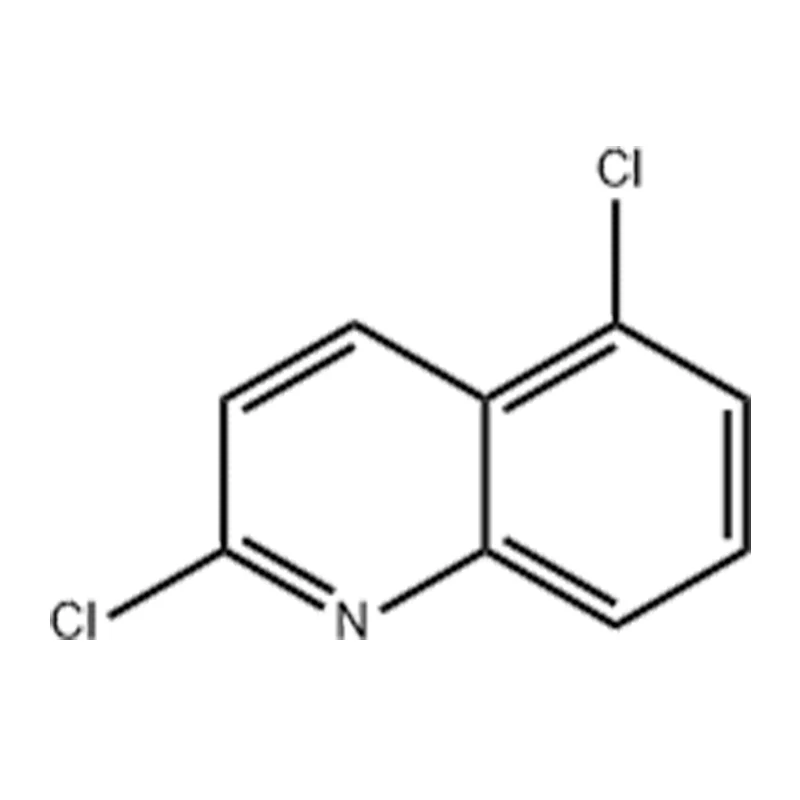
2,5-dichloroquinoline (molecular formula: C₉H₅Cl₂N, molecular weight: 198.05 g/mol) is a halogenated quinoline derivative that serves as a valuable building block in medicinal chemistry and organic synthesis. The compound features a quinoline core with chlorine atoms at the 2‑ and 5‑positions. This substitution pattern significantly influences the molecule‘s electronic properties and provides two reactive handles for further functionalization via cross‑coupling reactions (Suzuki, Buchwald‑Hartwig, Ullmann, etc.) or nucleophilic aromatic substitution.
N,N'-Diisopropyl-O-methylisourea (also known as O-methyl-N,N′-diisopropylisourea) is an isourea derivative featuring a reactive methyl imidate group [C(=OCH₃)=N–] capped by two bulky isopropyl protecting groups, creating a sterically shielded yet electron-rich nitrogenous scaffold that functions as a highly selective guanidinylating and carbodiimide-type reagent in organic synthesis. Its branched alkyl groups enhance solubility in organic solvents while protecting the reactive center from undesirable side reactions, making it a precision tool for complex heterocyclic and natural product assembly.
Cosper is a professional Intermediate manufacturer and supplier in China. We have an experienced sales team, professional technicians, and an after-sales service team.
We use cookies to offer you a better browsing experience, analyze site traffic and personalize content. By using this site, you agree to our use of cookies. Privacy Policy