
MOTS-C
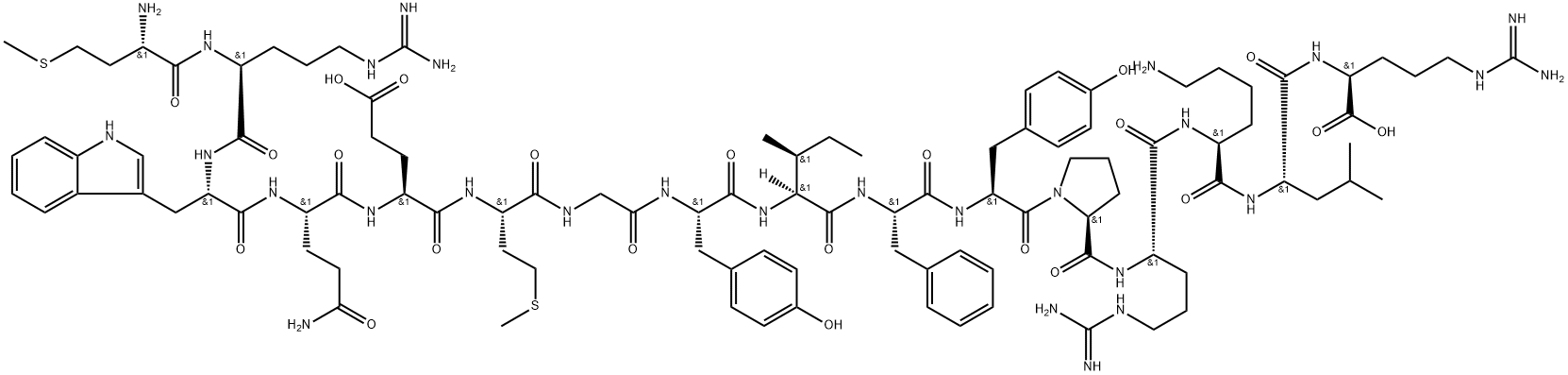
CAS: 1627580-64-6
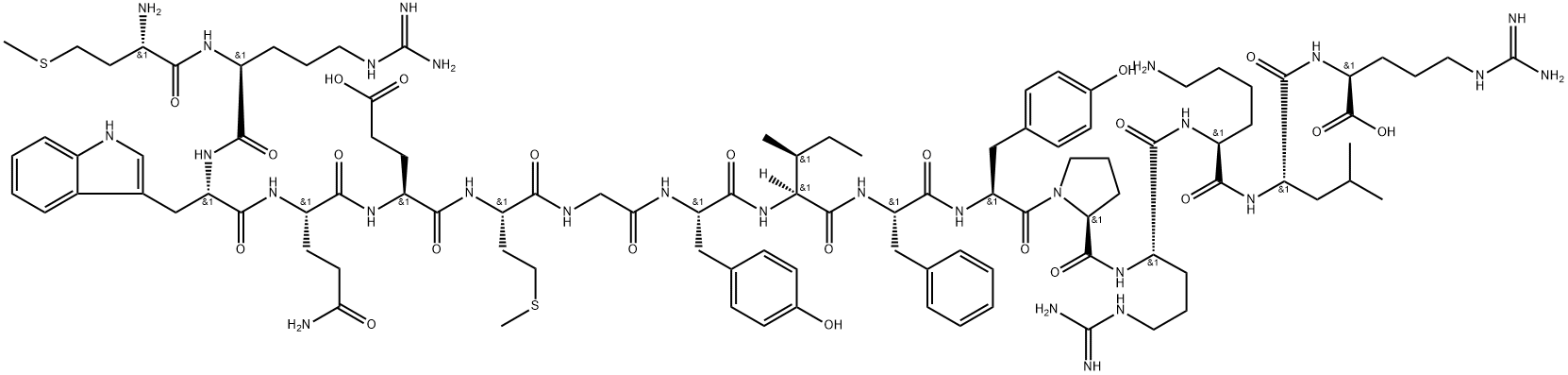
MOTS-c (human) is one type of Mitochondrial-Derived Peptides (MDPs). Its primary physiological function is to facilitate the biosynthesis of AICAR, an endogenous AMP analog, thereby activating AMP-activated protein kinase (AMPK). Meanwhile, it can boost cellular glucose uptake and improve insulin sensitivity. As a pharmaceutical raw material, it serves as a potential weight-loss peptide ingredient and also exhibits prominent anti-aging effects.
Original Research Background
MOTS-c was discovered through fundamental scientific research rather than developed by a single enterprise.
Current R&D Status:Hudson Biotech is the leading institution advancing its clinical development.
Clinical Trials
A Phase 2a clinical trial is currently underway, yet no large-scale, peer-reviewed published results are available.
MOTS-c remains in the research stage and has not obtained marketing approval from major regulatory authorities such as the U.S. FDA for clinical therapeutic use.
Synthesis Method
MOTS-c is manufactured via standard Solid-Phase Peptide Synthesis (SPPS).
BPC-157
CAS: 137525-51-0
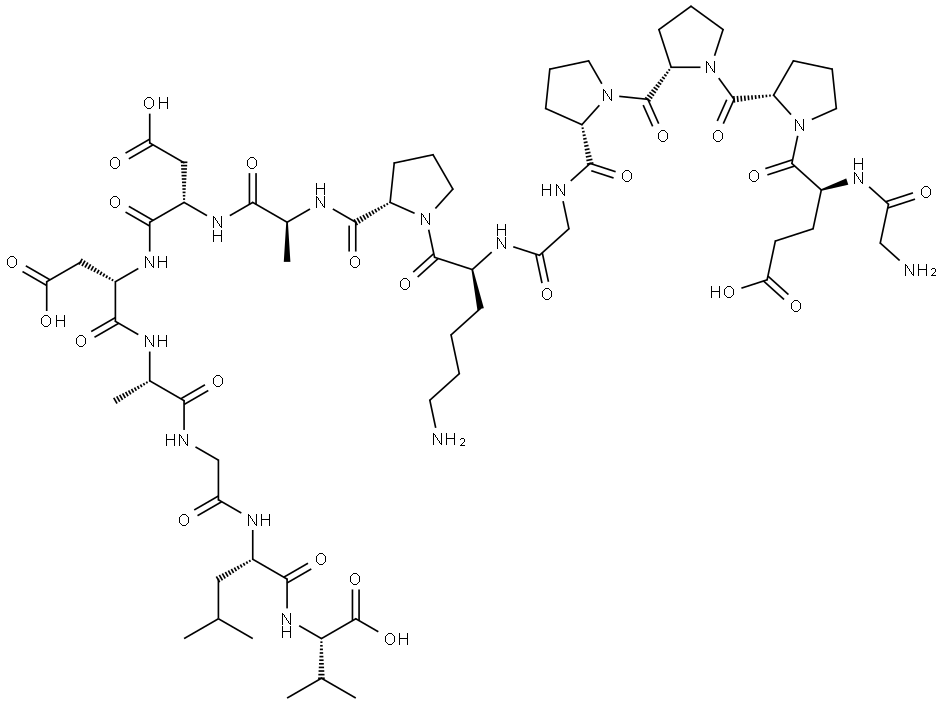
BPC 157 (pentadecapeptide) is an intestinal peptide with free radical scavenging activity in clinical settings. Unlike other peptides, BPC 157 exerts biological effects without a delivery carrier. As a stable gastric peptide, it displays anti-ulcer activity and accelerates wound and fistula healing.
Original Research Background
Original research on BPC-157 was conducted by a scientific research team from Croatia.
Core Research Institutions
Nearly all existing research data for BPC-157 originates from the same Croatian research team.
Clinical Trials
Limited low-quality clinical trials have been conducted, which fail to meet the recognition standards of mainstream medical communities. No completed large-scale human clinical trial data is available to date.
Synthesis Method
Solid-Phase Peptide Synthesis (SPPS) with either Fmoc or Boc protecting group strategies is applicable.
Pinealon
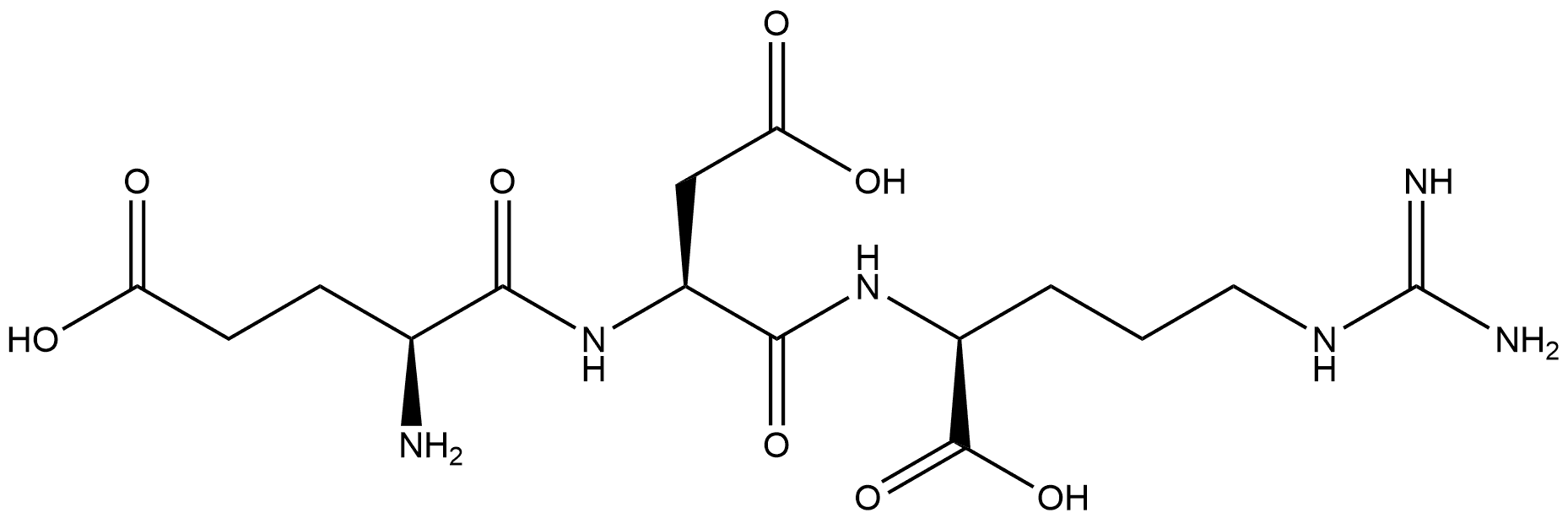
CAS: 175175-23-2Molecular weight: 418.4
Original Research Background
Pinealon was developed by a Russian research team led by Professor Vladimir Khavinson. It is an outcome of Russia’s "Peptide-Gene Regulation" research program, developed by the St. Petersburg Institute of Bioregulation and Gerontology. Pinealon is one of a series of short-peptide biological regulators developed by Professor Khavinson’s group.
Clinical Trials
Small-scale clinical trials have been performed, lacking high-quality independent validation data.
Synthesis Method
Standard Solid-Phase Peptide Synthesis (SPPS).
Epitalon
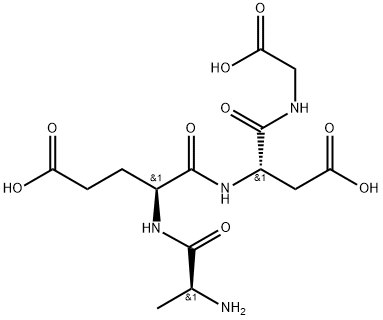
CAS: 307297-39-8Molecular weight: 390.35
Original Research Background
Epitalon was developed by the Russian research team of Professor Vladimir Khavinson at the St. Petersburg Institute of Bioregulation and Gerontology. Its molecular design was derived from amino acid composition analysis of Epithalamin, an extract from bovine pineal glands.
Clinical Trials
Clinical research has been initiated, though supporting evidence remains limited:
Synthesis Methods
TB-500
CAS: 885340-08-9Molecular weight: 889.02
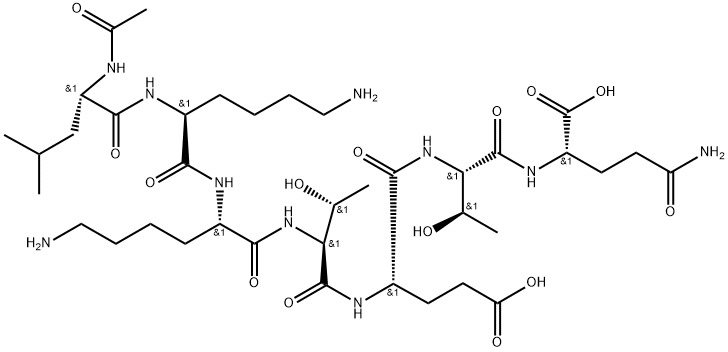
Original Research Background
TB-500 is an artificially synthesized short peptide corresponding to amino acid residues 17–23 of Tβ4. It was designed to retain core biological activity while delivering a smaller, more stable molecular structure for research applications. It is a product of fundamental scientific research with no single proprietary pharmaceutical developer, supplied as a research chemical by biotech companies worldwide.
Clinical Trials
No human clinical trials of TB-500 have been registered or approved by mainstream pharmaceutical regulatory authorities including the U.S. FDA.
Synthesis Method
Standard Solid-Phase Peptide Synthesis (SPPS).
GHK-Cu
CAS: 89030-95-5Molecular weight: 400.91
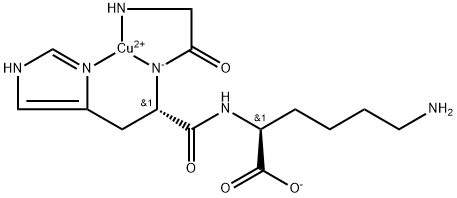
Original Research Background
GHK-Cu was discovered by American scientist Dr. Loren Pickart. Subsequent studies uncovered its tissue repair activity. ProCyte Corporation was founded in 1986 to develop GHK-Cu applications in tissue repair, anti-aging, and hair growth.
Clinical Trials
Phase 2 clinical trials have been completed.
Sermorelin
CAS: 86168-78-7Molecular weight: 3357.89
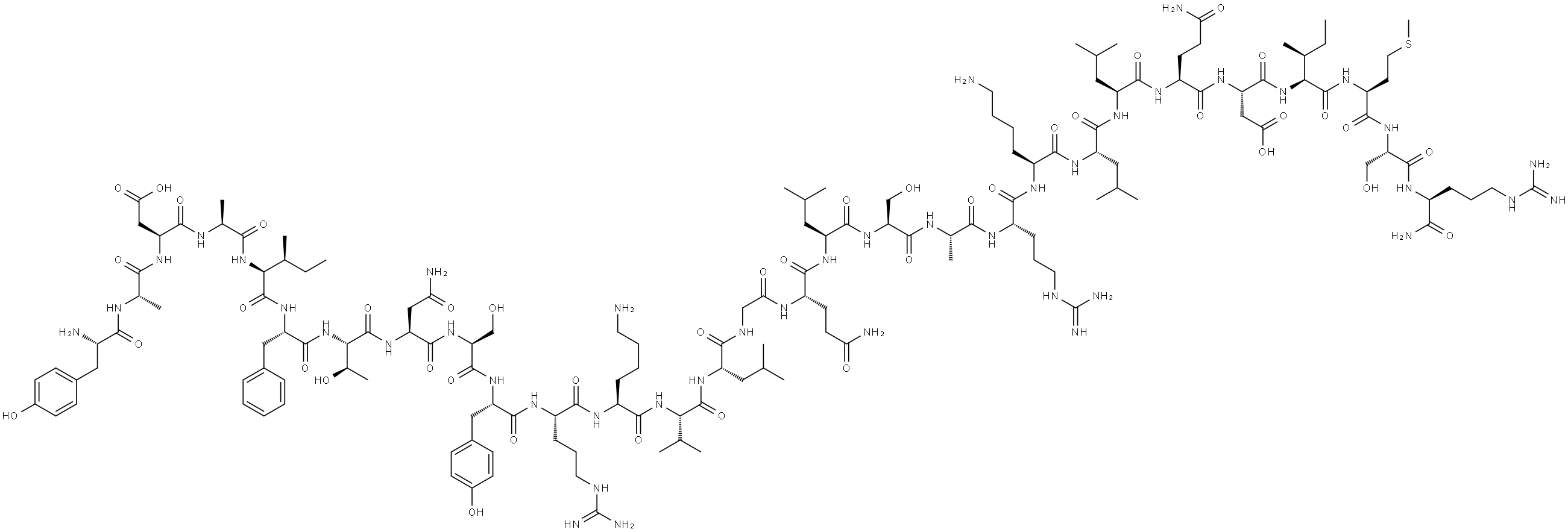
Original Research Background
Sermorelin was originally developed by Swedish pharmaceutical enterprises. Kabi Pharmacia first launched the product commercially in 1988, with subsequent intellectual property transferred to U.S.-based EMD Serono, Inc., marketed under the brand name Geref®.
Clinical Trials
Sermorelin completed required clinical trials and previously obtained U.S. FDA marketing approval, though it has since been withdrawn from the market.
Synthesis Method
Solid-Phase Peptide Synthesis (SPPS) for the 29-amino-acid peptide, with two mainstream protecting group strategies:
Melanotan-II (MT-II)
CAS: 121062-08-6Molecular weight: 1024.18
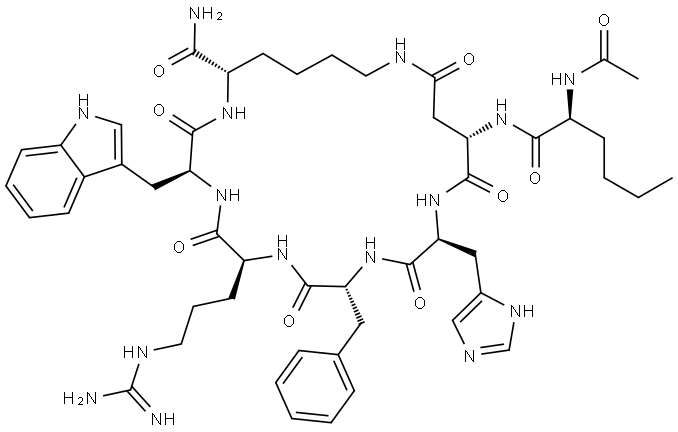
Original Research Background
MT-II was developed by the research team at the University of Arizona, USA.
Clinical Trials
Early-phase clinical trials were conducted, yet pivotal Phase 3 trials were never completed. No global regulatory authority has approved MT-II for human therapeutic use.
Synthesis Methods
Semax
CAS: 80714-61-0Molecular weight: 813.92
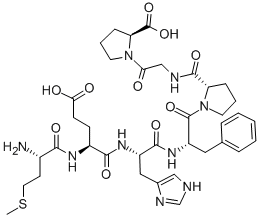
Original Research Background
Semax was developed by a Russian research team.
Clinical Trials
Semax is approved as a clinical pharmaceutical in Russia, though high-quality standardized clinical trial evidence remains limited.
Synthesis Method
Standard laboratory Solid-Phase Peptide Synthesis (SPPS).
Ipamorelin
CAS: 170851-70-4
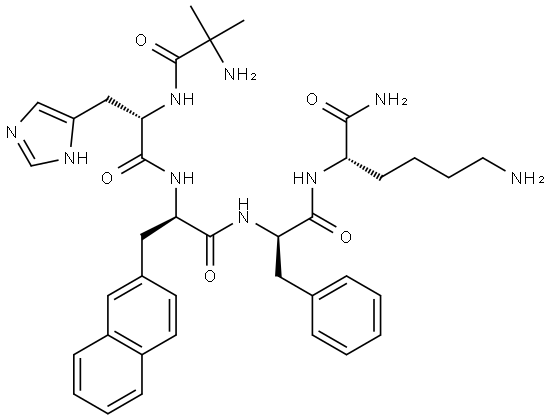
Ipamorelin is a pharmaceutical raw material classified as a peptide hormone and synthetic Growth Hormone-Releasing Hormone analog. It can stimulate gastrointestinal motility, induce growth hormone secretion, enhance lipolysis and physical strength, and causes water retention without hepatotoxicity.
Original Research Background
Ipamorelin was originally developed by Danish pharmaceutical giant Novo Nordisk.
Clinical Trials
Ipamorelin advanced to Phase 2 clinical trials, yet development was terminated due to insufficient therapeutic efficacy.
Synthesis Method
Standard laboratory Solid-Phase Peptide Synthesis (SPPS).
Selank
CAS: 129954-34-3Molecular weight: 751.87
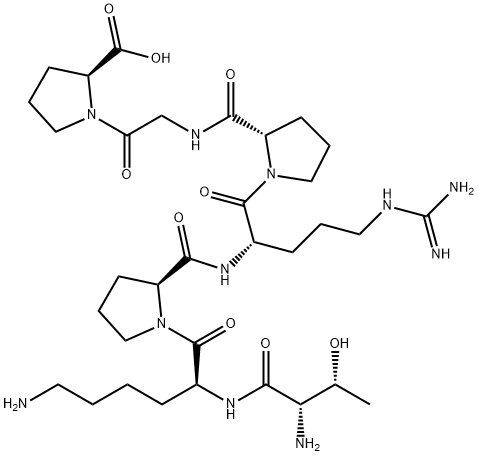
Original Research Background
Selank was developed by Russian research institutions: primary developer is the Institute of Molecular Genetics of the Russian Academy of Sciences, with collaborative research from the V.V. Zakusov Research Institute of Pharmacology.
Clinical Trials
Selank completed clinical trials and obtained clinical approval in Russia, lacking high-quality independent international validation data.
Synthesis Method
Standard laboratory Solid-Phase Peptide Synthesis (SPPS).
Thymosin Alpha-1
CAS: 62304-98-7Molecular weight: 3108.28
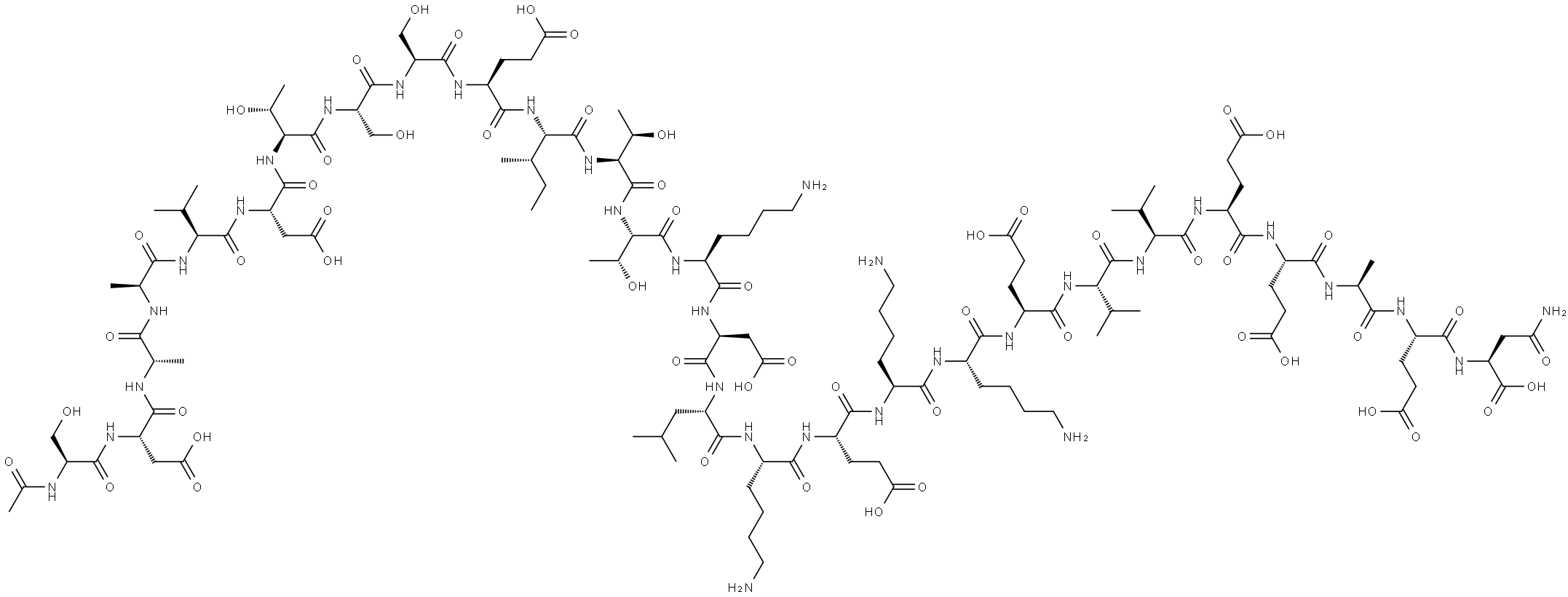
Original Research Background
Thymosin Alpha-1 was first isolated from bovine thymic extract Thymic Fraction V. Global commercial development and promotion were led by U.S.-based SciClone Pharmaceuticals, which acquired global patent and commercial rights (excluding the U.S. and Europe) in the early 1990s. Multiple domestic manufacturers conduct R&D and production of this peptide in China.
Clinical Trials
Thymosin Alpha-1 is among the most extensively researched peptide therapeutics with abundant clinical trial datasets.
Synthesis Method
GHRP-6
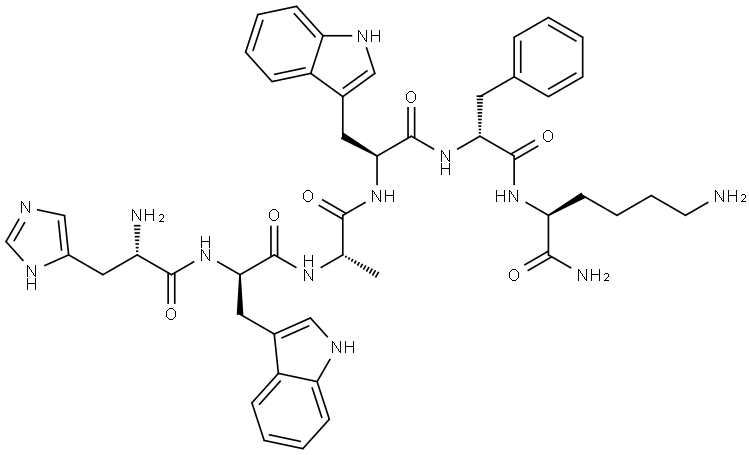
CAS: 87616-84-0Molecular weight: 873.02
Original Research Background
GHRP-6 is a product of fundamental scientific research rather than proprietary development by a single enterprise. The GHRP peptide class was first synthesized in 1977, and GHRP-6 is the first member identified with potent in vivo biological activity.
Clinical Trials
Human clinical trials have been initiated, primarily investigating its neuroprotective efficacy for acute ischemic stroke.
Synthesis Method
Standard laboratory Solid-Phase Peptide Synthesis (SPPS).
Export Instructions
This full English translation covers all peptide data including CAS number, molecular formula, molecular weight, biological functions, original research background, clinical trial status and synthetic techniques, formatted for direct copy export to Word/Excel/TXT documents.
Address
No. 2 Yangguang 3rd Road, Duodao Chemical Cycle Industrial Park, Jingmen City, Hubei Province, China
Tel

![1-[2,3-Bis[(9Z,12Z)-octadeca-9,12-dien-1-yloxy]propyl]pyrrolidine](https://www.cosperpharma.com/upload/8820/1-2-3-bis-9z-12z-octadeca-9-12-dien-1-yloxy-propyl-pyrrolidine-349384.webp "1-[2,3-Bis[(9Z,12Z)-octadeca-9,12-dien-1-yloxy]propyl]pyrrolidine")
![1,2,4-Triazolo[4,3-a]pyridin-3(2H)-one](https://www.cosperpharma.com/upload/8820/1-2-4-triazolo-4-3-a-pyridin-3-2h-one-440735.webp "1,2,4-Triazolo[4,3-a]pyridin-3(2H)-one")