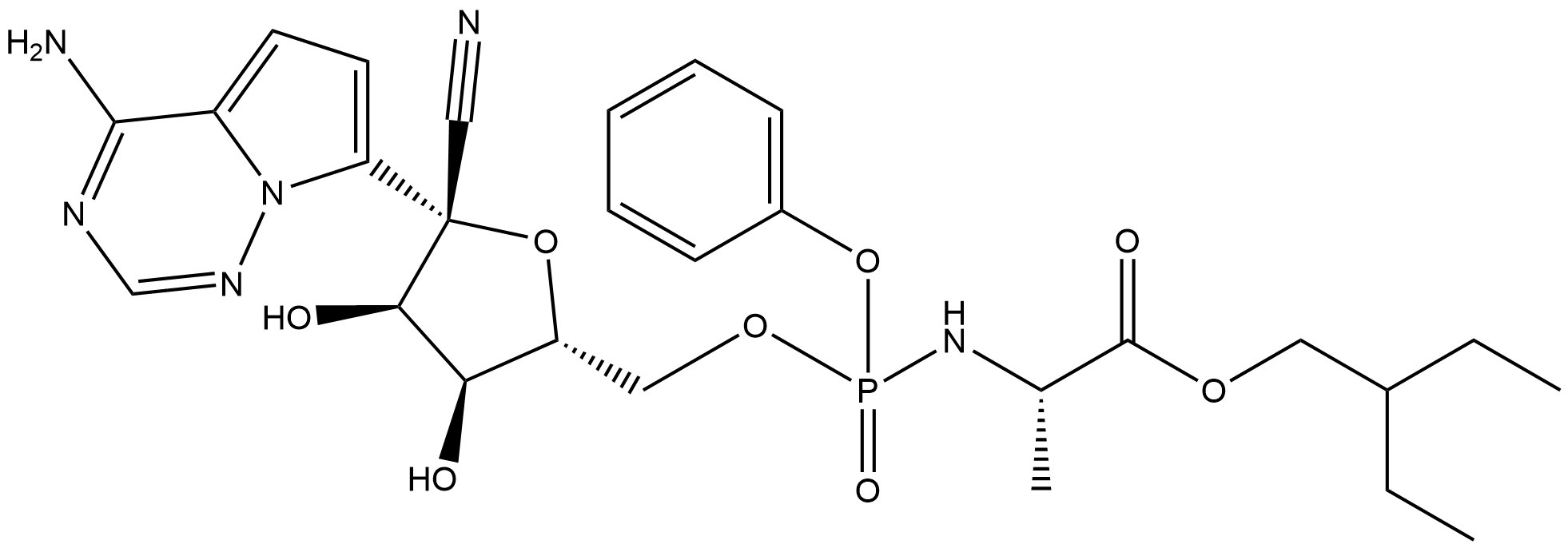
Remdesivir is a nucleotide analogue prodrug with broad-spectrum antiviral activity against RNA viruses. Structurally, Remdesivir features a C-nucleoside core based on a 1'-cyano-substituted adenosine analogue, linked to a monophosphoramidate prodrug moiety at the 5'-position.
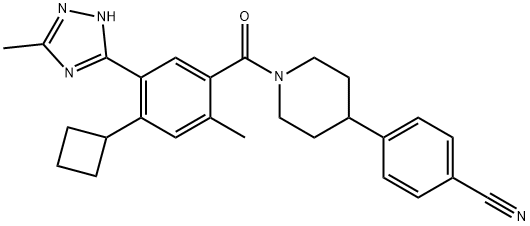
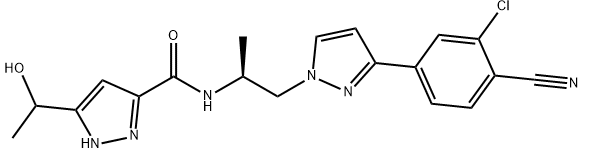
Denifanstat is a potent, orally bioavailable small-molecule inhibitor of fatty acid synthase (FASN), an enzyme responsible for the de novo synthesis of palmitic acid. Structurally, Denifanstat features a piperidine ring linked to a substituted phenyl group and a pyrazole-containing heterocyclic system, creating a conformationally defined scaffold optimized for FASN active-site binding.
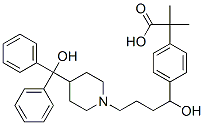
Fexofenadine is a second-generation antihistamine belonging to the class of selective peripheral H₁ receptor antagonists. Structurally, Fexofenadine is the active carboxylic acid metabolite of terfenadine, featuring a diphenylmethyl piperidine core connected via a hydroxybutyl linker to a dimethylphenylacetic acid moiety.
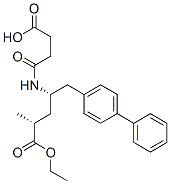
Sacubitril (CAS 149709-62-6), also known as AHU‑377, is a potent neprilysin (NEP) inhibitor and a key component of the angiotensin receptor neprilysin inhibitor (ARNI) class of drugs, used in combination with valsartan for the treatment of heart failure. The molecule features a biphenyl framework with a chiral 2R‑methyl‑4S‑carboxyl propylene amide moiety, with a molecular formula of C₂₄H₂₉NO₅ and a molecular weight of 411.49 g/mol. .
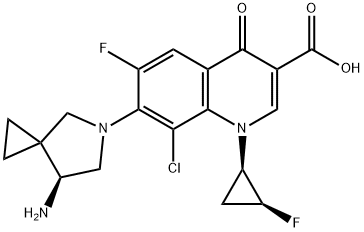
Sitafloxacin (CAS 127254-12-0) is a potent, broad‑spectrum oral fluoroquinolone antibiotic with excellent activity against a wide range of Gram‑positive, Gram‑negative, and anaerobic clinical isolates, including strains resistant to other fluoroquinolones. The molecule features a unique 7‑amino‑5‑azaspiro[2.4]heptane substituent at the C7 position and a 2‑fluorocyclopropyl group at the N1 position of the quinolone core, with a molecular formula of C₁₉H₁₈ClF₂N₃O₃ and a molecular weight of 409.81 g/mol.
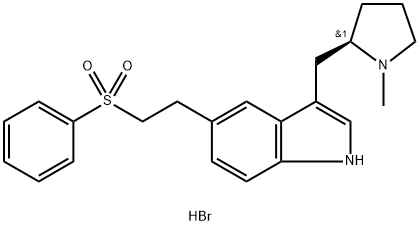
Eletriptan Hydrobromide (CAS 177834-92-3) is a potent, selective serotonin 5‑HT₁B and 5‑HT₁D receptor agonist used for the acute treatment of migraine headaches with or without aura. The molecule features an indole core with a (S)‑3‑((1‑methylpyrrolidin‑2‑yl)methyl) side chain and a phenylsulfonyl ethyl substituent, with a molecular formula of C₂₂H₂₇BrN₂O₂S and a molecular weight of 463.43 g/mol.
We use cookies to offer you a better browsing experience, analyze site traffic and personalize content. By using this site, you agree to our use of cookies. Privacy Policy