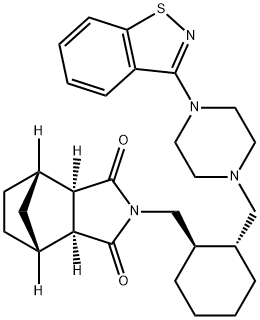
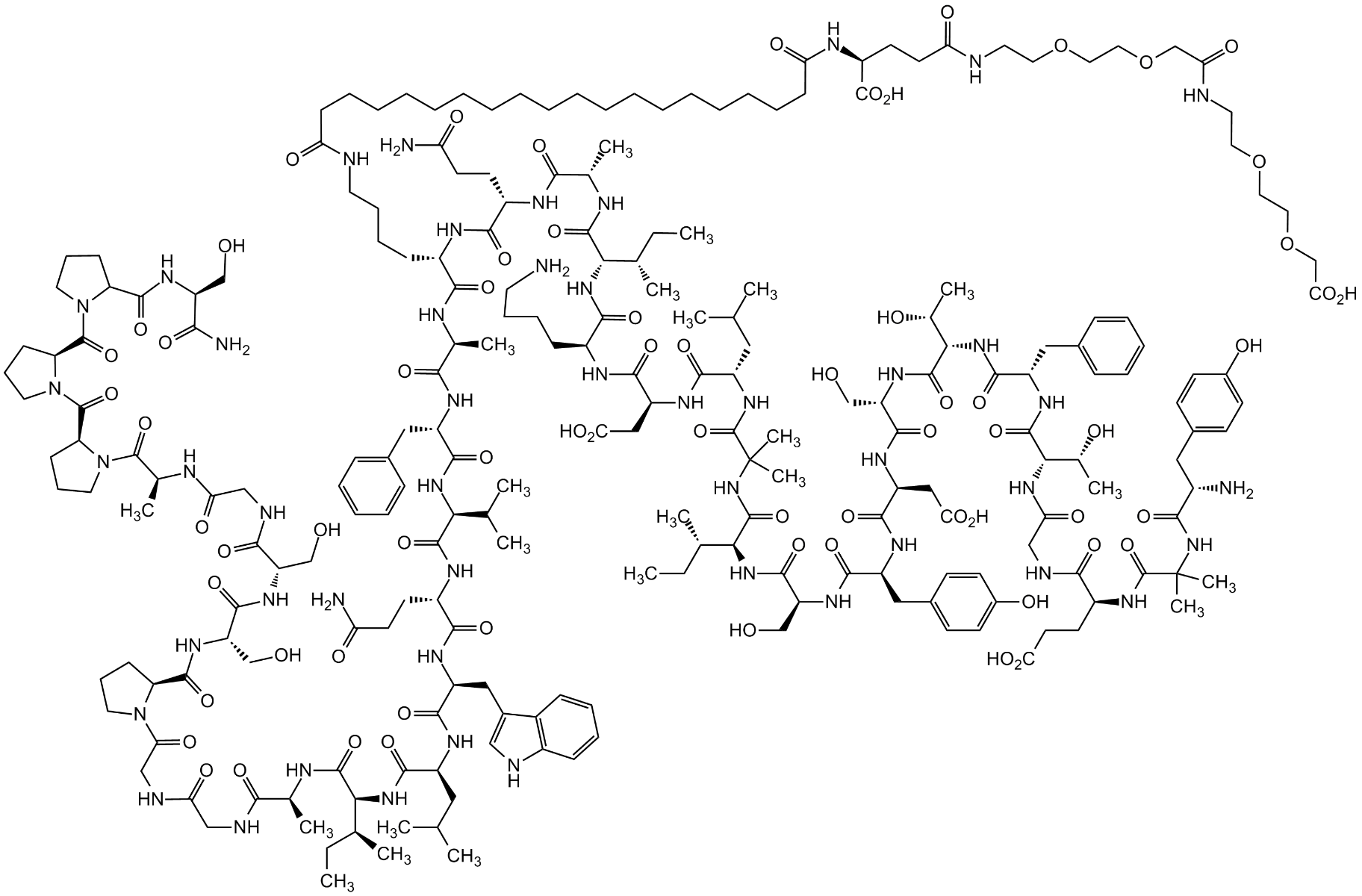
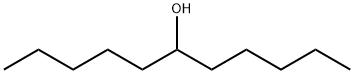
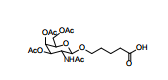
5′-O-DMTr-5-iodo-2′-dU-3′-CED phosphoramidite (C₃₉H₄₆IN₄O₈P, MW 856.68 g/mol) is a purine nucleoside analog and a modified deoxyuridine phosphoramidite building block for oligonucleotide synthesis. Structurally, 5′-O-DMTr-5-iodo-2′-dU-3′-CED phosphoramidite consists of a 2′‑deoxyuridine core bearing a 5‑iodo substitution on the uracil base, a 5′‑O‑dimethoxytrityl (DMTr) protecting group, and a 3′‑[(2‑cyanoethyl)-(N,N‑diisopropyl)]‑phosphoramidite moiety for automated DNA synthesis.
The product is 1,1'-Biphenyl, 3-bromo-2-methyl-, an orthogonally functionalized biphenyl in which a bromine atom sits at the 3‑position and a methyl group occupies the 2‑position of one aromatic ring. The bromine is a versatile handle for palladium‑catalyzed cross‑coupling (Suzuki, Buchwald, Negishi) or lithium‑halogen exchange, while the methyl group provides steric bulk and modulates the electron density of the ring. The unsubstituted phenyl ring at the 1‑position completes the biphenyl framework, creating a scaffold that can be elaborated into unsymmetrical, highly substituted biaryls with precise control of the functional group placement.
1,7-Bis(tert-butoxycarbonylmethyl)-1,4,7,10-tetraazacyclododecane is a symmetrically difunctionalized derivative of cyclen (1,4,7,10-tetraazacyclododecane), in which two opposing ring nitrogen atoms at the 1- and 7-positions each bear a tert-butyl acetate arm. The macrocyclic core consists of a twelve-membered ring containing four secondary amine nitrogens separated by ethylene bridges. Two of these nitrogens remain as free secondary amines, while the other two are N-alkylated with tert-butoxycarbonylmethyl (CH₂CO₂tBu) groups, forming a trans-1,7-disubstituted pattern. The tert-butyl esters serve as protected carboxylic acid precursors that can be cleaved under acidic conditions to reveal the corresponding acetic acid functionalities. This arrangement leaves two secondary amine sites available for further selective N-functionalization, making the molecule a regioselectively protected intermediate for constructing asymmetrically substituted cyclen-based chelators and conjugates.
Ac-dC Phosphoramidite (C₄₁H₅₀N₅O₈P, MW 771.84 g/mol) is a modified deoxycytidine phosphoramidite building block for oligonucleotide synthesis, formally known as 5′‑O‑(4,4′‑dimethoxytrityl)‑N⁴‑acetyl‑2′‑deoxycytidine 3′‑[(2‑cyanoethyl)-(N,N‑diisopropyl)]‑phosphoramidite. Structurally, Ac-dC Phosphoramidite consists of a 2′‑deoxycytidine core with an N⁴‑acetyl protecting group on the cytosine base, a 5′‑O‑dimethoxytrityl (DMTr) protecting group, and a 3′‑(2‑cyanoethyl)-(N,N‑diisopropyl) phosphoramidite moiety. The N⁴‑acetyl group is an acid‑labile protecting strategy that enables faster deprotection under mild conditions compared to traditional benzoyl (Bz) protection. Ac-dC Phosphoramidite is specifically designed for UltraMild oligonucleotide synthesis, where rapid deprotection and compatibility with sensitive modifications are critical.
2′-OMe-Bz-C Phosphoramidite (C₄₇H₅₄N₅O₉P, MW 863.93 g/mol) is a modified ribocytidine phosphoramidite building block for RNA oligonucleotide synthesis, formally known as N⁴‑benzoyl‑5′‑O‑(4,4′‑dimethoxytrityl)‑2′‑O‑methylcytidine 3′‑[(2‑cyanoethyl)-(N,N‑diisopropyl)]‑phosphoramidite. Structurally, 2′-OMe-Bz-C Phosphoramidite consists of a ribocytidine core with a 2′‑O‑methyl group (which confers nuclease resistance and enhanced RNA duplex stability), an N⁴‑benzoyl protecting group on the cytosine base, a 5′‑O‑DMTr protecting group, and a 3′‑phosphoramidite moiety. The 2′‑O‑methyl modification is one of the most widely used RNA backbone modifications in therapeutic oligonucleotides, as it increases metabolic stability and binding affinity while reducing immunogenicity. 2′-OMe-Bz-C Phosphoramidite is a critical building block for the synthesis of 2′‑O‑methyl RNA oligonucleotides used in antisense therapy, siRNA, and RNA‑based diagnostics.
The product is 2'-METHYL[1,1'-BIPHENYL]-3-OL, a biphenyl scaffold composed of a phenol ring and a toluene ring connected at the 1‑ and 1'‑positions. The phenolic hydroxyl group sits at the meta position relative to the biphenyl linkage, while a single methyl group occupies the ortho‑position of the adjacent ring. This substitution pattern creates a sterically biased, axially flexible structure where the phenol can serve as a nucleophilic handle, a hydrogen‑bond donor, or a precursor to triflate derivatives for further cross‑coupling. The compound provides a straightforward entry point into meta‑substituted biphenyl pharmacophores.
We use cookies to offer you a better browsing experience, analyze site traffic and personalize content. By using this site, you agree to our use of cookies.Privacy Policy