
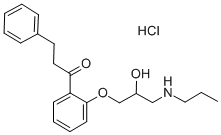
Propafenone Hydrochloride is a pivotal antiarrhythmic API and certified reference standard used extensively in the management of cardiac arrhythmias. As a class Ic antiarrhythmic agent, Propafenone Hydrochloride works by slowing the influx of sodium ions into cardiac muscle cells, causing a decrease in excitability . In quality control and pharmaceutical development contexts, Propafenone Hydrochloride reference standards are essential for analytical method development, method validation, quality control testing, and regulatory submissions. With its well-established efficacy and safety profile, Propafenone Hydrochloride has become a cornerstone of antiarrhythmic therapy.
|
Parameter |
Specification |
|
Product Name |
Propafenone Hydrochloride |
|
CAS Number |
34183-22-7 |
|
MDL Number |
MFCD00079243 |
|
Molecular Formula |
C₂₁H₂₇NO₃·HCl |
|
Molecular Weight |
|
|
Appearance |
|
|
Melting Point |
|
|
Storage Condition |
2-8 °C |
For the prevention of paroxysmal ventricular tachycardia, paroxysmal supraventricular tachycardia, pre-excitation syndrome with supraventricular tachycardia, atrial flutter or atrial fibrillation. It can also be used for the treatment of various premature beats.
Combined use with quinidine can slow down the metabolic process. Combined use with local anesthetics can increase the occurrence of central nervous system side effects. Propafenone can increase the serum digoxin concentration in a dose-dependent manner. Combined use with propranolol and metoprolol can significantly increase their plasma concentration and elimination half-life on Chemicalbook, but has no effect on propafenone. Combined use with warfarin can increase the blood concentration of warfarin and prothrombin time. Combined use with cimetidine can increase the steady-state plasma level of propafenone, but has no effect on its electrophysiological parameters.
Adverse reactions are rare, mainly dry mouth and numbness of the tongue and lips, which may be caused by its local anesthetic effect. In addition, early adverse reactions also include headache, dizziness and scintillation, followed by gastrointestinal disorders such as nausea, vomiting, constipation, etc. Atrioventricular block symptoms have also been reported. No damage to the lungs, liver or hematopoietic system was observed during the trial. A small number of patients experienced the above mild reactions such as dry mouth, headache, vertigo and gastrointestinal discomfort, which generally disappeared after drug withdrawal or dose reduction.
Partnering with Cosperpharm for your Propafenone Hydrochloride requirements means securing a reliable supply chain for your antiarrhythmic therapeutic program. Contact us today to discuss your specifications.
Address
No. 2 Yangguang 3rd Road, Duodao Chemical Cycle Industrial Park, Jingmen City, Hubei Province, China
Tel