N-(4-methylpyridin-3-yl)acetamide is a monosubstituted pyridine derivative featuring an acetamido group at the 3-position and a methyl substituent at the 4-position of the pyridine ring, where the electron-withdrawing amide and electron-donating methyl group together modulate the aromatic system’s reactivity, positioning this compound as a versatile building block for medicinal chemistry and pharmaceutical impurity analysis.
5-Methoxy-3-methyl-1-benzofuran-2-carbaldehyde is a functionalized benzofuran derivative whose substituted pattern — a methoxy group at the 5-position, a methyl group at the 3-position, and an aldehyde group at the 2-position of the benzofuran core — positions it as a uniquely tailored building block where the 3-methyl provides steric hindrance around the reactive aldehyde, the 5-methoxy offers electronic modulation through resonance donation, and the fused benzofuran core delivers the π-conjugated scaffold essential for biological target interactions.
2-Hydroxy-4-(methoxycarbonyl)benzoic acid, an aromatic dicarboxylic acid derivative, features a benzene ring simultaneously substituted by a hydroxyl group, a carboxylic acid, and a methyl ester, forming a conjugated system capable of participating in hydrogen bonding and π-π stacking interactions.
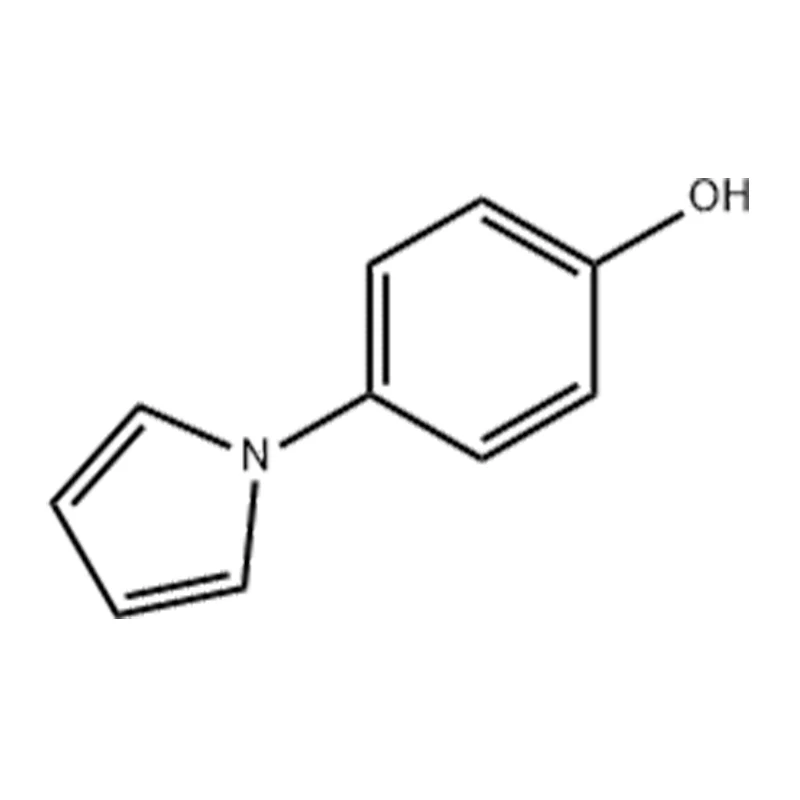
4-(1H-pyrrol-1-yl)phenol is a bifunctional aromatic compound featuring an electron-rich pyrrole heterocycle linked to the para position of a phenol group. This unique donor–acceptor architecture (the pyrrole nitrogen donating into the phenol π-system) governs its reactivity profile and biological potential. The electron-donating hydroxyl group modulates the electronic environment of the entire conjugated system, while the pyrrole ring’s NH-like character (though substituted at nitrogen) retains significant π-excess density. Together, these features position this compound as a highly adaptable scaffold in medicinal chemistry, organic electronics, and materials science.
4-(1H-Pyrrol-1-yl)benzoic acid is a bifunctional aromatic molecule that combines a pyrrole heterocycle with a benzoic acid moiety. The electron-rich nitrogen of the pyrrole ring is directly linked to the para-position of the benzoic acid, creating a conjugated D–π–A system (pyrrole as donor, benzene ring as π-bridge, carboxylic acid as acceptor) that underpins its utility in medicinal chemistry and materials science.
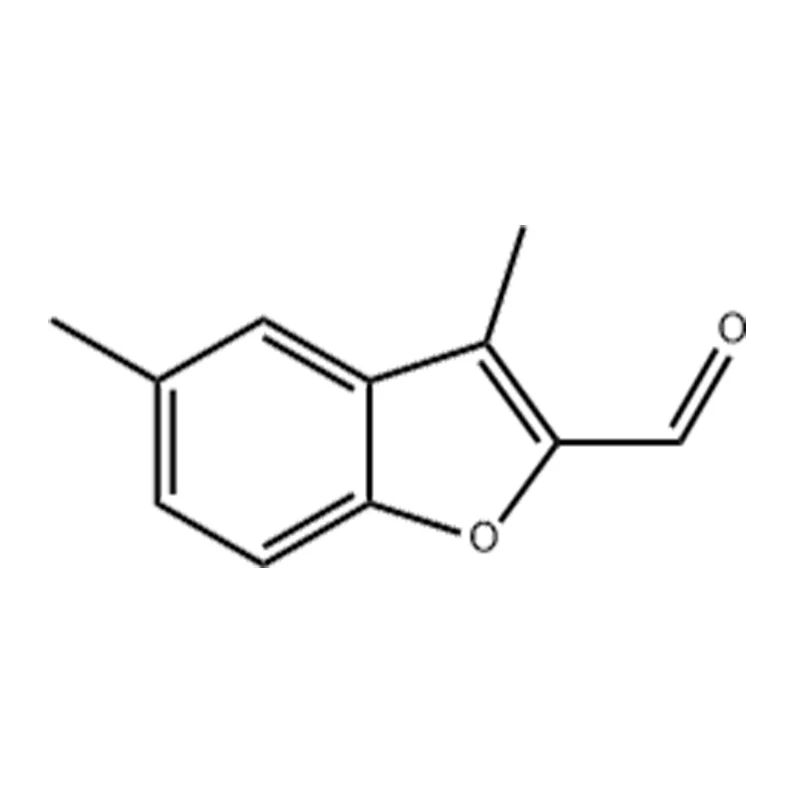
3,5-Dimethyl-1-benzofuran-2-carbaldehyde is a substituted benzofuran aldehyde featuring a benzofuran fused-ring core, two methyl groups (electron-donating) at positions 3 and 5, and an aldehyde group (reactive handle) at position 2. The synergy of these three structural units endows the molecule with unique chemical reactivity and potential biological functions.
Cosper is a professional Intermediate manufacturer and supplier in China. We have an experienced sales team, professional technicians, and an after-sales service team.
We use cookies to offer you a better browsing experience, analyze site traffic and personalize content. By using this site, you agree to our use of cookies. Privacy Policy