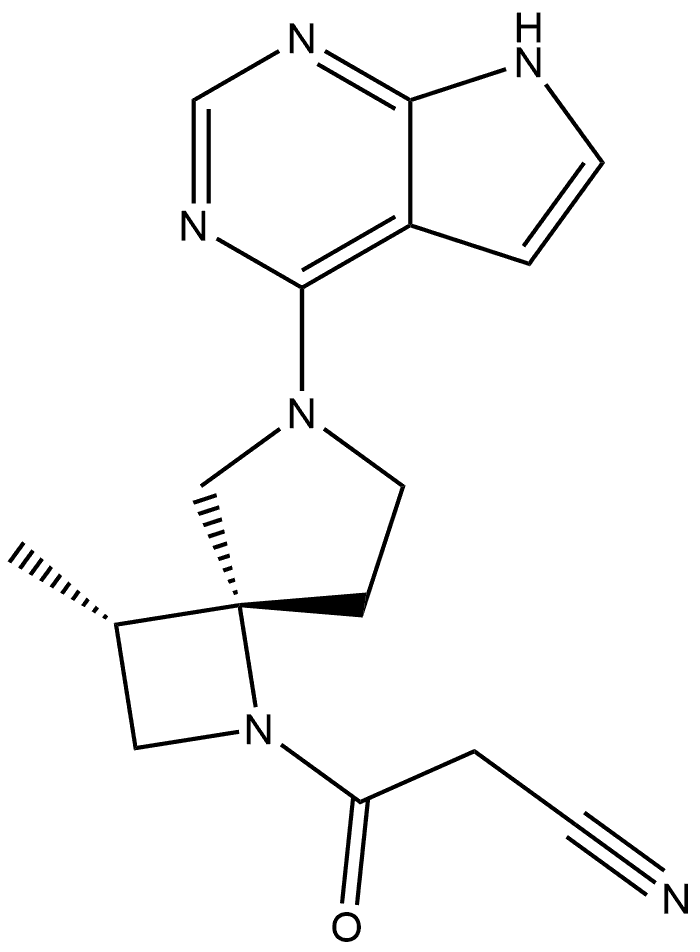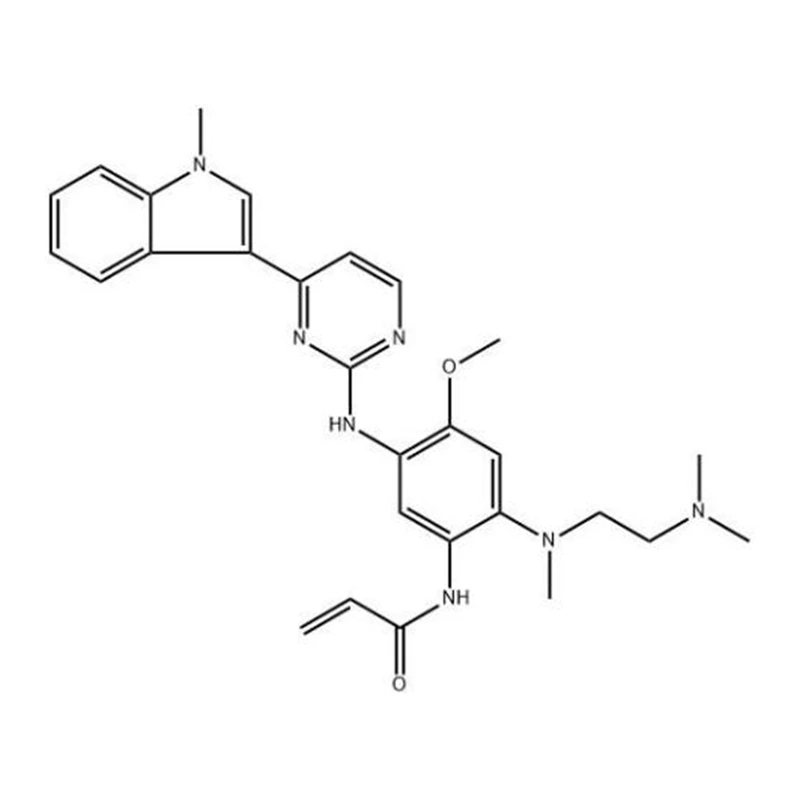

The oral GLP-1 receptor agonist landscape changed dramatically on April 1, 2026, when the FDA granted landmark approval to orforglipron for chronic weight management in adults with at least one weight-related comorbidity. This approval—the first for a non-peptide small-molecule oral GLP-1 agonist—has redefined expectations for impurity control across the pharmaceutical industry.
Behind every such approval lies a rigorous regulatory framework that hinges on impurity identification, qualification, and control. At the heart of this framework sits a demanding threshold: 0.1% identification threshold. Under ICH Q3A and Q3B guidelines, any impurity exceeding 0.1% in a drug substance requires full identification. For a blockbuster compound like orforglipron, with projected annual sales in the tens of billions, this 0.1% bar is more than a number—it is a gatekeeper for regulatory success.
This article examines why your reference standard for Sucrose Octasulfate-Aluminum Complex (Orforglipron Impurity 18) must meet the highest standards of purity, characterization, and regulatory compliance, and explores how Cosper Pharma Tech Co., Ltd. can support your impurity profiling and ANDA filing journey.
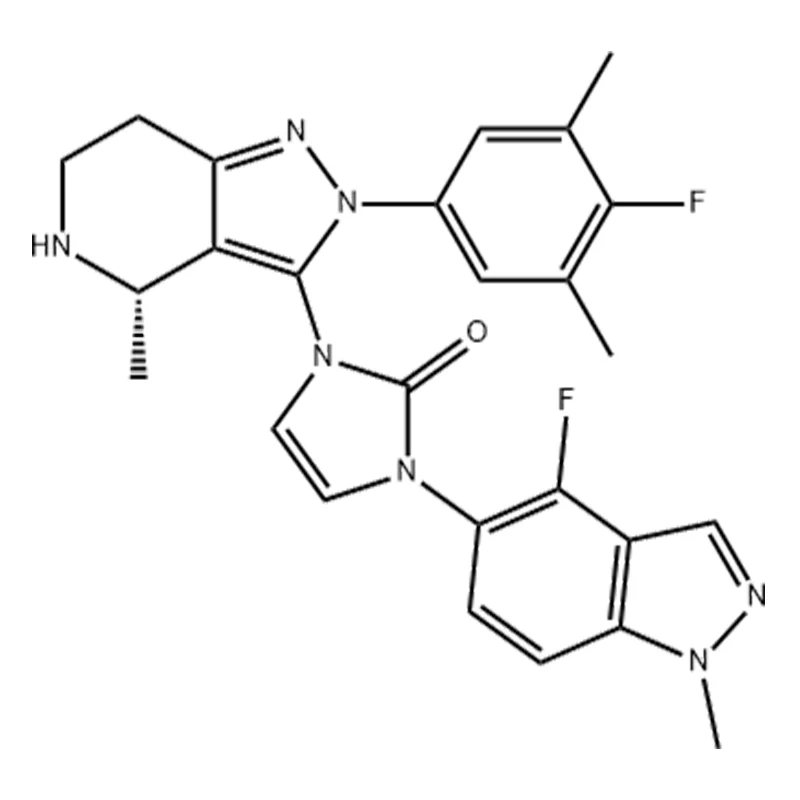
The pharmaceutical impurity control framework rests on three interrelated thresholds established by ICH Q3A (drug substances) and Q3B (drug products):
| Threshold Type | Description | Application |
|---|---|---|
| Reporting Threshold | 0.05% for drug substances with maximum daily dose ≤ 2g | Requires all impurities above this level to be reported in specifications |
| Identification Threshold | 0.10% or 1.0 mg per day intake (whichever is lower) | Triggers full structural identification of impurity |
| Qualification Threshold | Varies based on daily dose and safety data | Requires toxicological assessment if exceeded |
Source: ICH Q3A(R2)/Q3B(R2) Guidelines
For orforglipron—a small-molecule GLP-1 agonist structurally distinct from peptide-based predecessors—the 0.1% identification threshold carries particular weight. The molecule contains multiple degradation-prone sites, including 1,2,4-oxadiazolone rings, amide bonds, and fluorinated aromatic structures, making it susceptible to oxidative, hydrolytic, and photolytic degradation. Orforglipron Impurity 18, identified as (R)-5-(2,2-dimethyltetrahydro-2H-pyran-4-yl)-1H-indole-2-carboxylic acid, represents one such degradation-related and process-related impurity that must be rigorously controlled.
When combined with Sucrose Octasulfate-Aluminum Complex (the hydrous basic aluminum salt of sucrose octasulfate, CAS 54182-58-0, USP Sucralfate monographed with sucrose octasulfate content 30.0–38.0%), this impurity demands a reference standard that provides complete traceability, full structural characterization, and batch-to-batch consistency.
A compliant reference standard for Orforglipron Impurity 18 must satisfy rigorous analytical criteria to support forced degradation studies, method validation, and regulatory submissions. Below is a reference specification framework aligned with ICH and FDA expectations.
| Parameter | Specification Range / Requirement |
|---|---|
| Compound Identity | Sucrose Octasulfate-Aluminum Complex (Orforglipron Impurity 18) |
| CAS Number | 54182-58-0 (Sucrose octasulfate-aluminum complex) |
| Molecular Formula | C₁₂H₅₄Al₁₆O₇₅S₈ |
| Molecular Weight | ~2086.7 |
| Purity (HPLC) | ≥ 95.0% (typical reference grade); ≥ 98.0% for primary reference grade |
| Sucrose Octasulfate Content | 30.0% – 38.0% (by HPLC, aligned with USP Sucralfate monograph) |
| Appearance | White to off-white powder |
| Characterization Data | Full-set: HPLC purity, ¹H-NMR, ¹³C-NMR, HRMS (or LC-MS/MS), FTIR, residual solvents (ICH Q3C), heavy metals (ICH Q3D) |
| Certificate of Analysis (CoA) | Provided with each batch, including stability-indicating assay method |
| Packaging Sizes | Typically from 10 mg to 100 mg (reference scale) |
| Storage Conditions | -20°C (long-term); protected from light and moisture |
| Stability Data | Minimum 12 months of real-time stability data recommended |
> Note: For Orforglipron Impurity 18, reference standards should be supplied with detailed characterization data compliant with regulatory guidelines, as highlighted in published forced degradation studies using LC-MS impurity methods.
Forced degradation (stress testing) is not merely an analytical exercise—it is a regulatory mandate. According to ICH Q1A(R2), forced degradation studies identify potential degradation products, establish degradation pathways, and validate the stability-indicating capacity of analytical methods.
| Degradation Condition | Typical Conditions | Purpose |
|---|---|---|
| Oxidative | 0.3%–3.0% H₂O₂, 25°C, 1–7 days | Identify oxidative degradation products, including species related to the fluorinated aromatic rings |
| Hydrolytic (Acid) | 0.1M–1.0M HCl, 25–40°C, 1–7 days | Elucidate acid-catalyzed degradation pathways (amide bond cleavage, oxadiazolone ring opening) |
| Hydrolytic (Base) | 0.1M–1.0M NaOH, 25–40°C, 1–7 days | Identify base-catalyzed degradation products |
| Photolytic | ICH Q1B option 1 or 2 | Assess photosensitivity of the GLP-1 agonist |
| Thermal | 40–70°C, up to 4 weeks | Simulate accelerated aging conditions |
| Humidity | 75% RH, 25°C | Evaluate moisture-induced degradation |
A robust LC-MS impurity method for orforglipron systematically screens impurities under multiple stress conditions. Using a systematic screening protocol (SSP) with a BEH C18 column, the method achieves baseline resolution of orforglipron from its impurities, with retention times approximately 6.2 minutes.
For Orforglipron Impurity 18, forced degradation studies must demonstrate that:
- The impurity does not exceed the 0.1% identification threshold under ICH-recommended storage conditions;
- If present above the reporting threshold, it is fully characterized, quantified, and included in specifications;
- The reference standard enables accurate quantification using stability-indicating methods.
Cosper Pharma Tech Co., Ltd. provides Orforglipron Impurity 18 reference standards with full structural characterization data and chromatographic purity profiles, supporting method validation, forced degradation studies, and stability monitoring.
For generic drug developers pursuing ANDA submissions referencing orforglipron, or for contract manufacturers developing follow-on formulations, the impurity control strategy must be meticulously documented.
| Document | Regulatory Requirement |
|---|---|
| Certificate of Analysis (CoA) | HPLC purity, assay value, identity confirmation by LC-MS or NMR, residual solvents, heavy metals |
| Material Safety Data Sheet (MSDS) | Regulatory classification for transportation and laboratory use |
| Stability Data | Supports shelf-life assignment and re-test period |
| Structural Characterization Data | ¹H-NMR, ¹³C-NMR, HRMS, and interpretation of key spectral features |
| DMF/CEP Support Documentation | For drug substance manufacturers seeking Type II DMF with impurity sections |
| Route of Synthesis | Essential for understanding process-related impurity origins and ICH M7 mutagenic impurity assessment |
| Cross-Reference Letter of Authorization (if applicable) | For regulatory submissions referencing a DMF |
A Type II Drug Master File (DMF) supporting an ANDA must adequately characterize all actual and potential impurities most likely to arise during synthesis, purification, and storage. For Orforglipron Impurity 18, comprehensive DMF documentation covering process-related impurity origins, control strategy, and analytical data is essential for approval.
Cosper Pharma Tech Co., Ltd. supports global clients with complete drug registration documentation packages, including COA, MSDS, route of synthesis, stability data, and DMF/CEP filing support.
The compound Sucrose Octasulfate-Aluminum Complex—also known as sucralfate—is officially defined by USP as “the hydrous basic aluminum salt of sucrose octasulfate,” containing 30.0% to 38.0% of sucrose octasulfate by HPLC.
| Attribute | Quality Specification |
|---|---|
| Sucrose Octasulfate Content | 30.0 – 38.0% |
| Aluminum Content | 16.0 – 22.0% |
| Chloride | < 0.5% |
| Loss on Drying | ≤ 5.0% |
| pH | 3.0 – 4.5 (1% suspension) |
Source: USP Sucralfate Monograph
When this complex appears as a process-related impurity in orforglipron synthesis—referred to as Orforglipron Impurity 18—developing a robust control strategy requires a reference standard that accurately reflects the complex's stoichiometry and impurity profile.
Cosper Pharma Tech Co., Ltd. offers Sucrose Octasulfate-Aluminum Complex (Orforglipron Impurity 18) reference standards manufactured under GMP-compliant conditions aligned with US FDA standards.
Cosper Pharma Tech Co., Ltd. (Wuhan Tongsheng Pharmaceutical Technology Co., Ltd.) has established a dual-core “R&D + Production” structure spanning Wuhan as its R&D and business center and Tongsheng Pharmaceutical (Jingmen) as its manufacturing base.
| Facility Feature | Specification |
|---|---|
| Location | Jingmen Chemical Circular Industrial Park (provincial key chemical industrial park, national-level green API production base) |
| Total Area | 100 acres (Phase I) |
| Production Workshops | Three multi-functional flexible production workshops, six clean areas |
| Reactor Fleet | 150 reactors, 100 L – 5000 L capacity |
| Temperature Range | -70°C to 300°C |
| Quality Testing Center | 1500 m², equipped with internationally recognized advanced analytical instruments |
| GMP Certification | Full-process quality management system, aligned with US FDA and European EMA standards |
| Production Scales Supported | mg pilot → kg trials → tons production |
The company's quality management system provides precise control over product lifecycles, ensuring every batch is safe, reliable, and traceable.
| Capability | Cosper Support |
|---|---|
| Stock Products | Small quantities available for trial |
| Custom Synthesis | Process R&D and scale-up from mg to commercial scale |
| Analytical Data | Full CoA with HPLC, NMR, MS, stability data |
| Regulatory Documentation | DMF/CEP filing support, GMP documentation |
| Confidentiality | CDA/NDA signed before project initiation |
Cosper Pharma adheres to core values of “Integrity as the Foundation, Craftsmanship in Pharmaceutical Manufacturing, Green Development, and Win-Win Cooperation for the Future” and strives to become a globally trusted one-stop pharmaceutical raw material and customized manufacturing service provider.
A: Orforglipron Impurity 18 is a process-related and degradation-related impurity associated with the oral GLP-1 agonist orforglipron. Under ICH Q3A and Q3B guidelines, any impurity present in a drug substance at a level exceeding 0.1% of the daily dose (or 1.0 mg per day intake, whichever is lower) requires full structural identification. For a blockbuster drug like orforglipron, approved by the FDA in April 2026 for weight management, controlling impurities such as Orforglipron Impurity 18 below this 0.1% identification threshold is essential for regulatory compliance and patient safety. A high-quality reference standard from Cosper Pharma Tech Co., Ltd. ensures accurate quantification and structural confirmation during method validation and stability studies, directly supporting ANDA filing and regulatory acceptance.
A: A compliant reference standard for Orforglipron Impurity 18 must be supplied with comprehensive analytical characterization data. This includes, at minimum: HPLC purity (typically ≥ 95.0% for reference grade, ≥ 98.0% for primary reference grade), ¹H-NMR and ¹³C-NMR for structural confirmation, high-resolution mass spectrometry (HRMS or LC-MS/MS) for molecular weight and fragmentation pattern verification, FTIR for functional group identification, and residual solvents analysis compliant with ICH Q3C. Additionally, elemental impurities screening per ICH Q3D is required for full regulatory alignment. For Orforglipron Impurity 18 specifically, published forced degradation studies recommend LC-MS methods using BEH C18 columns for systematic impurity profiling. Cosper Pharma Tech Co., Ltd. provides all these characterization data with each batch, ensuring complete traceability and readiness for regulatory audits.
A: Forced degradation studies are mandatory under ICH Q1A(R2) to identify potential degradation products, elucidate degradation pathways, and validate stability-indicating analytical methods. Published LC-MS impurity methods for orforglipron systematically screen impurities under oxidative, hydrolytic (acid/base), photolytic, thermal, and humidity stress conditions. For Orforglipron Impurity 18, these studies serve two critical purposes: First, they determine whether Orforglipron Impurity 18 forms or increases under ICH-recommended storage conditions—any degradation product exceeding the 0.1% identification threshold must be fully identified, qualified, and included in specifications. Second, they validate the analytical method's ability to separate and quantify Orforglipron Impurity 18 from the API and other degradation products. A robust reference standard with full characterization data is essential for these activities. Cosper Pharma Tech Co., Ltd. supports clients with reference standards suitable for forced degradation studies, method validation, and long-term stability monitoring.
With the FDA's April 2026 approval of orforglipron, the small-molecule oral GLP-1 agonist era has begun. Regulatory bodies worldwide will closely scrutinize impurity profiles as generic and follow-on products enter development pipelines. The 0.1% identification threshold is not negotiable, and the quality of your reference standard for Sucrose Octasulfate-Aluminum Complex (Orforglipron Impurity 18) will determine the success of your method validation, forced degradation studies, and ANDA filing.
![1,2,4-Triazolo[4,3-a]pyridin-3(2H)-one](https://www.cosperpharma.com/upload/8820/1-2-4-triazolo-4-3-a-pyridin-3-2h-one-440735.webp "1,2,4-Triazolo[4,3-a]pyridin-3(2H)-one")