
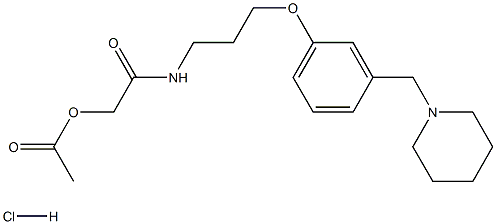
Roxatidine Acetate Hydrochloride is a specific and competitive histamine H₂-receptor antagonist used in the treatment of peptic ulcer disease. Upon oral administration, Roxatidine Acetate Hydrochloride is rapidly converted to its active metabolite, roxatidine, which inhibits the binding of histamine to H₂ receptors on gastric parietal cells. This inhibition reduces both intracellular cAMP concentrations and gastric acid secretion, with Roxatidine Acetate Hydrochloride demonstrating greater potency than cimetidine and ranitidine. Beyond its anti-ulcer activity, Roxatidine Acetate Hydrochloride has been found to inhibit platelet function in vitro and to suppress the growth of several tumors including gastrointestinal cancer by reducing vascular endothelial growth factor (VEGF) expression. Roxatidine Acetate Hydrochloride also suppresses inflammatory responses via inhibition of NF-κB and p38 MAPK activation. In quality control contexts, Roxatidine Acetate Hydrochloride is supplied as a high-purity reference standard for analytical method development and quality control applications. The compound is soluble in water, methanol, and DMSO, and is stored at 4 °C or at room temperature in a cool, dark place.
Product Parameters
|
Parameter |
Specification |
|
Product Name |
Roxatidine Acetate Hydrochloride |
|
CAS Number |
|
|
MDL Number |
|
|
Molecular Formula |
|
|
Molecular Weight |
|
|
Physical Form |
|
|
Appearance |
|
|
Melting Point |
|
|
Solubility |
|
|
Storage Condition |
under inert gas (nitrogen or Argon) at 2-8°C |
Bioactivity
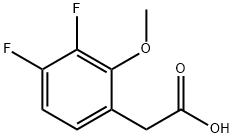
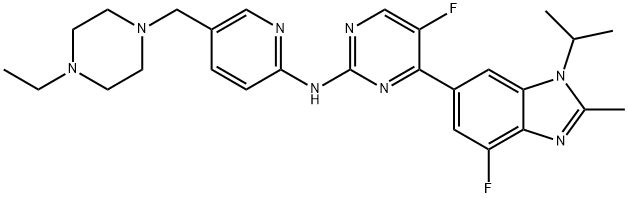
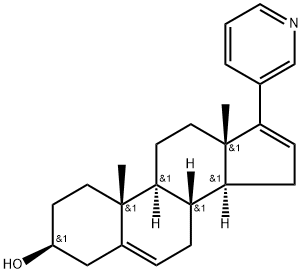
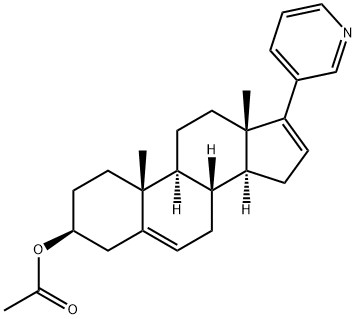
Synthetic Route
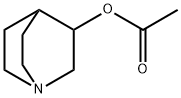
2.Add ethyl acetate (600 g + 450 g) to the reaction mixture, separate the organic phase, combine them, and dry with anhydrous sodium sulfate before filtration. Concentrate the filtrate under reduced pressure to obtain 251 g of Roxaidine (Compound 8).
3.Dissolve 251 g of Roxaidine in 500 g of glacial acetic acid, add 170 g of acetic anhydride. Heat under reflux for 2 hours; upon completion of the reaction, concentrate under reduced pressure to remove acetic acid and cool to 15–20°C.
4.Add 600 g of water, followed by 600 g of ethyl acetate. Under stirring, adjust the pH to 9–10 using an aqueous solution containing 300 g of potassium carbonate. Extract with a mixture of 400 g and 300 g of ethyl acetate, combine the organic phases, dry with anhydrous sodium sulfate, filter, and concentrate the filtrate to obtain 280 g of roperidone acetate (Compound 10).
5.Dissolve 280 g (0.804 mol) of roperidone acetate in 1400 g of acetone and cool to 0–5 °C. Add dropwise an ethyl acetate solution containing 32 g of hydrogen chloride; a solid precipitates. Crystallize at 0–5 °C for 35 hours, filter, and dry to obtain 295 g of roperidone acetate hydrochloride (theoretical yield: 328.58 g based on 300 g of compound 9; yield: 89.8%).
Product Quality Assurance
Thorough analytical characterization. Each batch undergoes multi-technique analytical release testing: HPLC purity (>98.0% with full chromatographic traceability), nonaqueous titration (≥98.0%), melting point verification (146.0–150.0 °C), appearance verification (white to almost white powder to crystal), residual solvent analysis, and identity confirmation.
Full batch traceability with retention samples. From raw material procurement through each synthetic step—reductive amination, condensation, acylation, hydrolysis, salt formation, and recrystallization—every step is fully documented and traceable. Each batch receives a unique lot number with sufficient retention samples maintained in accordance with Cosperpharm quality procedures.
Documentation ready for regulatory submission. Every shipment includes a Certificate of Analysis (COA) with batch-specific purity and characterization data, a Material Safety Data Sheet (SDS), and customs documentation for international delivery. Cosperpharm provides DMF-ready documentation packages and custom quality agreements upon request.
Customer-initiated quality audits. Qualified customers are welcome to audit Cosperpharm's manufacturing, quality control, and documentation facilities. Please contact our regulatory team to schedule an audit.
Contact Us
Address
No. 2 Yangguang 3rd Road, Duodao Chemical Cycle Industrial Park, Jingmen City, Hubei Province, China
Tel