
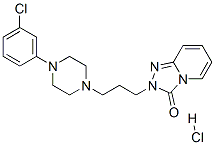
Trazodone Hydrochloride (CAS 25332-39-2) is a phenylpiperazine-based antidepressant belonging to the serotonin antagonist and reuptake inhibitor (SARI) class. The molecule features a triazolopyridine core linked via a propyl chain to a phenylpiperazine moiety, with the hydrochloride salt formed at the piperazine nitrogen.
Trazodone Hydrochloride is a well‑established pharmaceutical agent and reference standard with broad therapeutic applications in psychiatry and sleep medicine. As a serotonin antagonist and reuptake inhibitor, Trazodone Hydrochloride enhances serotonergic neurotransmission through both receptor blockade and reuptake inhibition, making it effective for treating depression, anxiety disorders, and insomnia. The compound also exhibits anxiolytic and sleep‑inducing (hypnotic) effects that further expand its clinical utility. Trazodone Hydrochloride enhances neuronal differentiation of neural progenitor cells and inhibits PERK/eIF2α‑P‑mediated reduction in protein synthesis, restoring memory deficits in dementia models. As a high‑purity reference standard, Trazodone Hydrochloride is essential for analytical method development, impurity profiling, quality control testing, and ANDA filings for generic trazodone manufacturers. Additionally, Trazodone Hydrochloride serves as a valuable tool compound for studying serotonin receptor pharmacology and for developing novel antidepressant and anxiolytic therapies.
Product Parameters
Parameter
Specification
Product Name
Trazodone Hydrochloride
CAS Number
25332-39-2
Molecular Formula
C₁₉H₂₂ClN₅O·HCl
Molecular Weight
408.32 g/mol
Appearance
Offwhitepowder
Melting Point
223226°C
Storage Condition
28°C
Pharmacokinetics
Trazodone hydrochloride is well absorbed after oral administration and does not exhibit selective concentration in any tissue; its plasma protein binding rate ranges from 85% to 95%. When administered immediately after meals, food may enhance drug absorption, reduce peak plasma concentrations, and prolong the time to reach peak levels. Fasting administration results in peak plasma concentrations approximately within one hour, whereas administration with or after meals requires about two hours. Trazodone hydrochloride is primarily metabolized by hepatic microsomal enzymes; both the drug and its metabolites readily cross the blood-brain barrier but pass only minimally through the placental barrier, with metabolites ultimately excreted via the kidneys. Excretion occurs in two phases: a rapid initial phase (half-life of 3–6 hours) followed by a slower second phase (half-life of 5–9 hours), unaffected by food intake. Due to significant interindividual variability in clearance rates, trazodone may accumulate in plasma in certain patients. The drug can be excreted in breast milk.
Adverse Reaction
Common adverse reactions include drowsiness, fatigue, dizziness, headache, insomnia, nervousness, and tremors; as well as blurred vision, dry mouth, and constipation. Less common adverse effects include orthostatic hypotension (which may be alleviated when taken concomitantly with meals), tachycardia, nausea, vomiting, and abdominal discomfort. In very rare cases, patients may experience musculoskeletal pain and excessive dreaming. Clinical studies have reported certain adverse reactions potentially associated with the use of trazodone hydrochloride: orthostatic intolerance, allergic reactions, anemia, gastric distension, urinary abnormalities, sexual dysfunction, and menstrual disturbances, though these occur in only a small number of patients.
Drug Overdose
When co-administered with other drugs (ethanol, ethanol-trichloroacetaldehyde hydrate-stanoxylate, isopentobarbital, methyldiazepam, or amobarbital), overdose of trazodone hydrochloride may be fatal. The most severe adverse reactions associated with single overdose include abnormal penile erection, respiratory arrest, epileptic seizures, and electrocardiographic abnormalities; common adverse effects include drowsiness and vomiting. Overdose increases the incidence and severity of various adverse reactions. No specific antidote currently exists. Hypotension and excessive sedation should be managed according to standard clinical protocols. Gastric lavage should be performed in cases of overdose. Administration of diuretics may facilitate drug excretion.
Contact Us
Looking for Trazodone Hydrochloride with guaranteed purity and full regulatory documentation? Cosperpharm delivers — reach out today.
Hot Tags: Trazodone hydrochloride, China, Manufacturer, Supplier, Factory
We use cookies to offer you a better browsing experience, analyze site traffic and personalize content. By using this site, you agree to our use of cookies.Privacy Policy