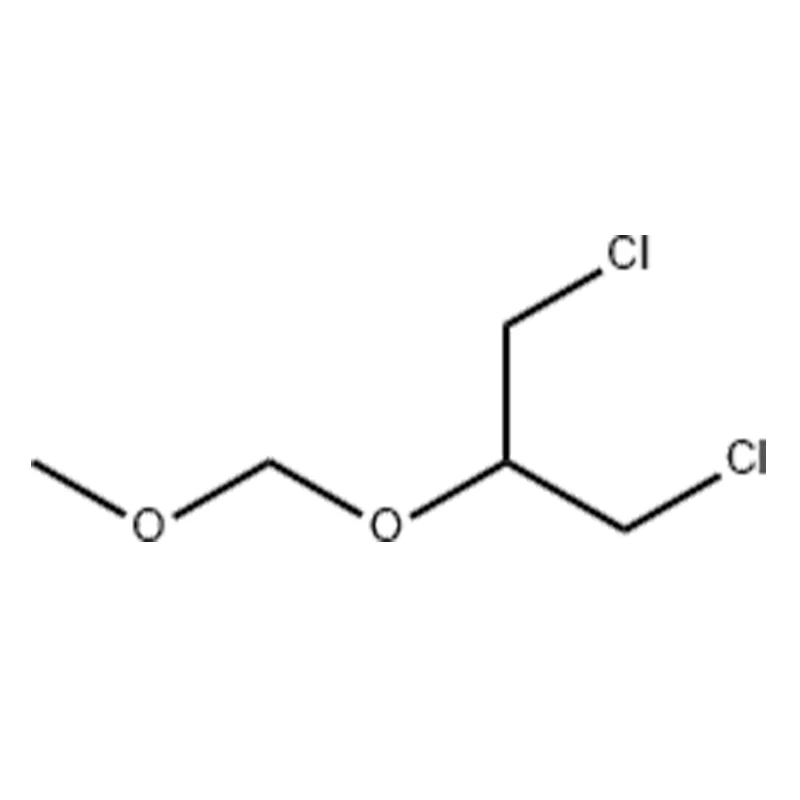
1-Chloro-2-(chloromethyl)-3,5-dioxahexane, systematically named 1,3-dichloro-2-(methoxymethoxy)propane, is an acyclic, halogenated diether characterized by a central methine carbon flanked by two chloromethyl groups (–CH₂Cl) and a methoxymethyl (–OCH₂OCH₃) substituent. The combination of an electrophilic, α-haloalkyl ether structure with two labile chloromethyl moieties provides three distinct points for nucleophilic attack, positioning it as a uniquely versatile, three-pronged alkylating agent for constructing elaborate synthetic intermediates. This reactivity pattern makes it a valuable synthetic intermediate for the preparation of more complex molecules, particularly in pharmaceutical manufacturing and advanced organic synthesis.
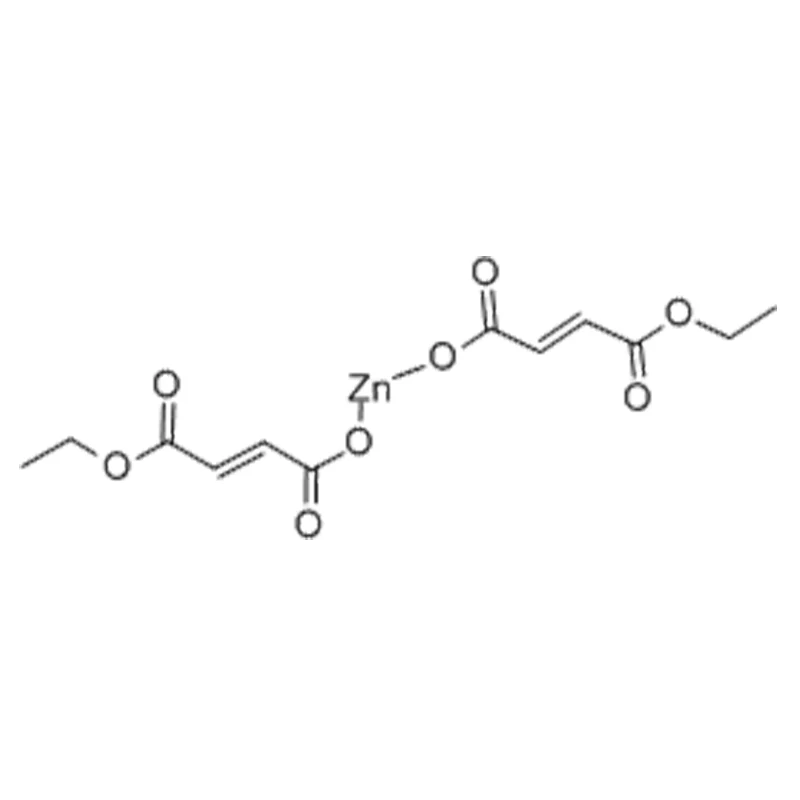
Fumaric Acid Monoethyl Ester Zinc Salt (2:1) is an organometallic coordination compound formed by the reaction of the monoethyl ester of fumaric acid with zinc ions in a precise 2:1 molar ratio. The two monoethyl fumarate ligands coordinate to a central Zn²⁺ ion through their carboxylate groups, producing a discrete molecular salt whose bioactivity stems from its ability to release both the anti‑psoriatic monoethyl fumarate ligand and zinc ions in biological systems. This unique dual-release mechanism positions the compound as a promising candidate for pharmaceutical and biomedical applications.
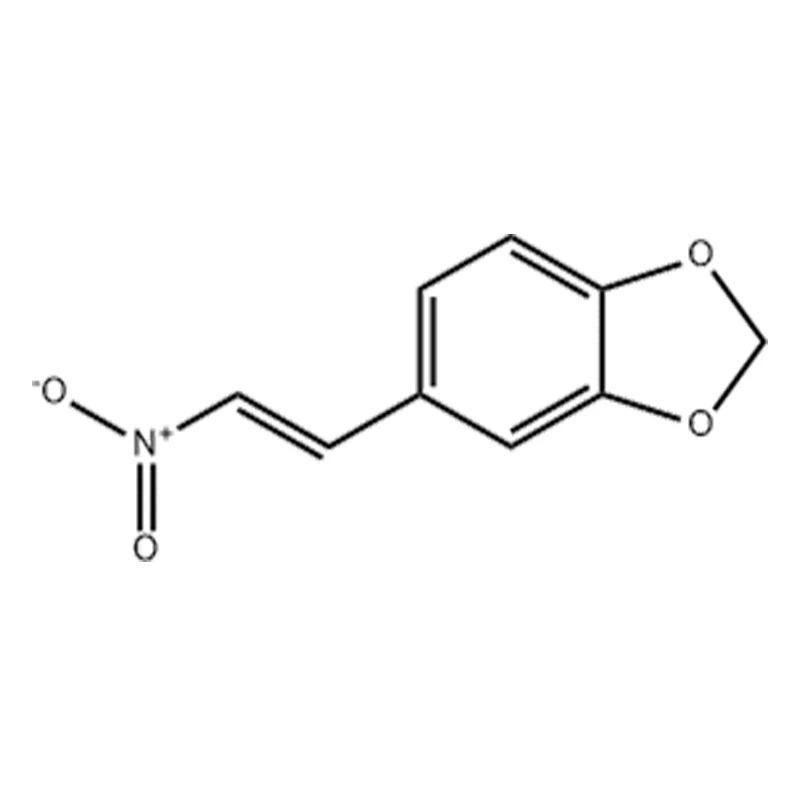
5-[(1E)-2-nitroethenyl]-1,3-benzodioxole (CAS 22568-48-5), also widely recognized as 3,4-methylenedioxy-β-nitrostyrene (MNS), is a structurally distinct β-nitrostyrene derivative characterized by the fusion of a 1,3-benzodioxole ring (commonly known as a methylenedioxy moiety) with a trans-configured nitroethenyl side chain. The 1,3-benzodioxole system at its core, a planar aromatic scaffold, contributes significantly to the lipophilic character of the molecule, while the conjugated nitroethenyl (-CH=CH-NO₂) group constitutes an electrophilic Michael addition acceptor. This extended conjugation between the electron-rich aromatic benzodioxole ring and the electron-withdrawing nitro group across the trans-double bond gives 5-[(1E)-2-nitroethenyl]-1,3-benzodioxole its distinctive yellow coloration and its versatile chemical reactivity.
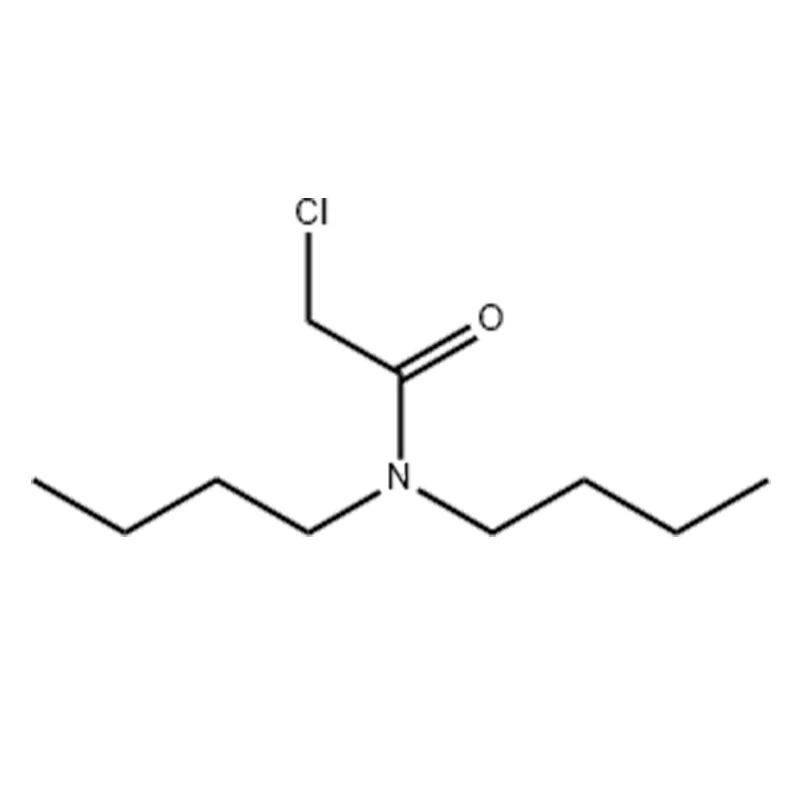
N,N-dibutyl-2-chloro-Acetamide (CAS 2567-59-1) is a chlorinated acetamide derivative with a distinctive electrophilic α-chloromethyl functionality positioned adjacent to a tertiary amide core. The molecule features two n-butyl groups symmetrically attached to the nitrogen atom, conferring significant lipophilicity (calculated logP ≈ 2.67–3.04), which enhances membrane permeability and bioavailability in biological systems. The electron‑withdrawing chlorine atom at the α‑carbon renders this position highly susceptible to nucleophilic attack, making the compound a versatile alkylating agent capable of transferring its chloromethyl group to various nucleophiles such as amines, thiols, and alkoxides. The tertiary amide linkage provides metabolic stability while maintaining a hydrogen bond acceptor site for potential target interactions. This combination of lipophilic di‑n‑butyl substitution and an electrophilic chloromethyl group positions N,N-dibutyl-2-chloro-Acetamide as a privileged scaffold for medicinal chemistry and organic synthesis applications.
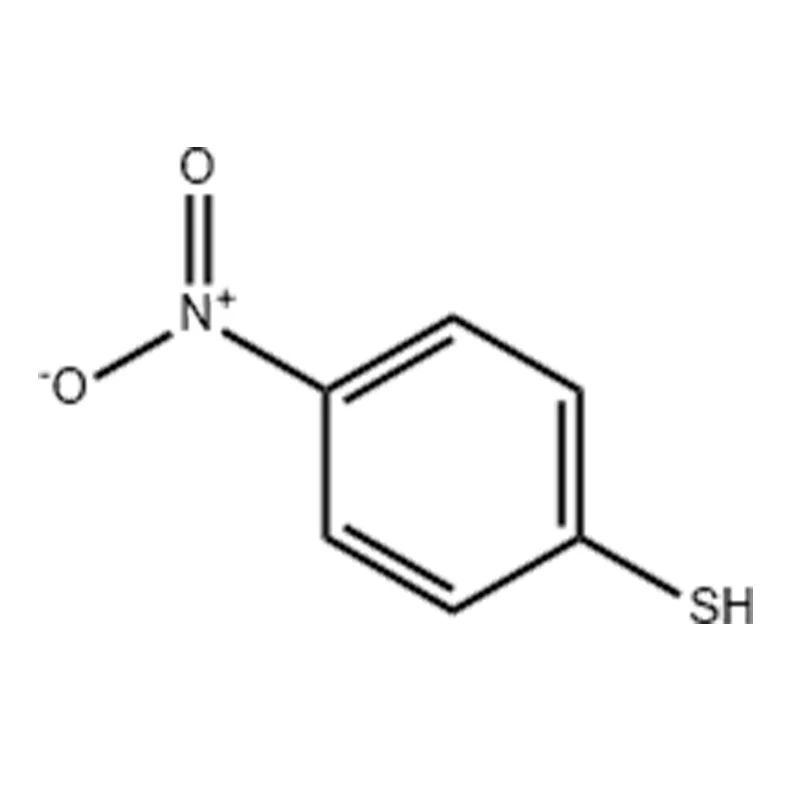
4-Nitrobenzenethiol (also known as 4-nitrothiophenol or p‑nitrothiophenol) is an aromatic thiol characterized by a para‑positioned nitro group (–NO₂) and a sulfhydryl group (–SH) on the benzene ring. The combination of an acidic thiol (pKa ≈ 4.68) and a strongly electron‑withdrawing nitro substituent creates a polarized, hydrogen‑bond‑donating scaffold that serves as a versatile building block in medicinal chemistry, organic synthesis, and materials science.
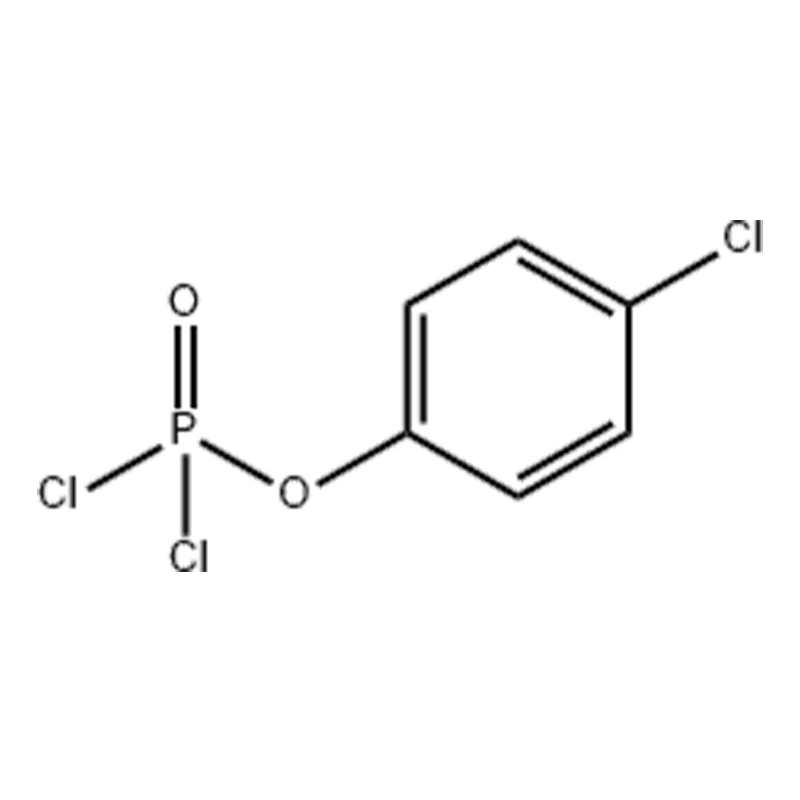
4-Chlorophenyl phosphorodichloridate (also known as p‑chlorophenyl dichlorophosphate) is an aromatic organophosphorus compound featuring a phosphorus(V) center covalently bonded to two reactive chlorine atoms (P–Cl) and one 4-chlorophenyl ester group (P–O–C₆H₄‑4‑Cl). This precise arrangement of a highly electrophilic P(=O)Cl₂ motif with a moderately electron-withdrawing para-chloro substituent on the phenyl ring creates a tunable phosphorylating reagent whose reactivity can be readily modulated by the aryl leaving group.
We use cookies to offer you a better browsing experience, analyze site traffic and personalize content. By using this site, you agree to our use of cookies. Privacy Policy