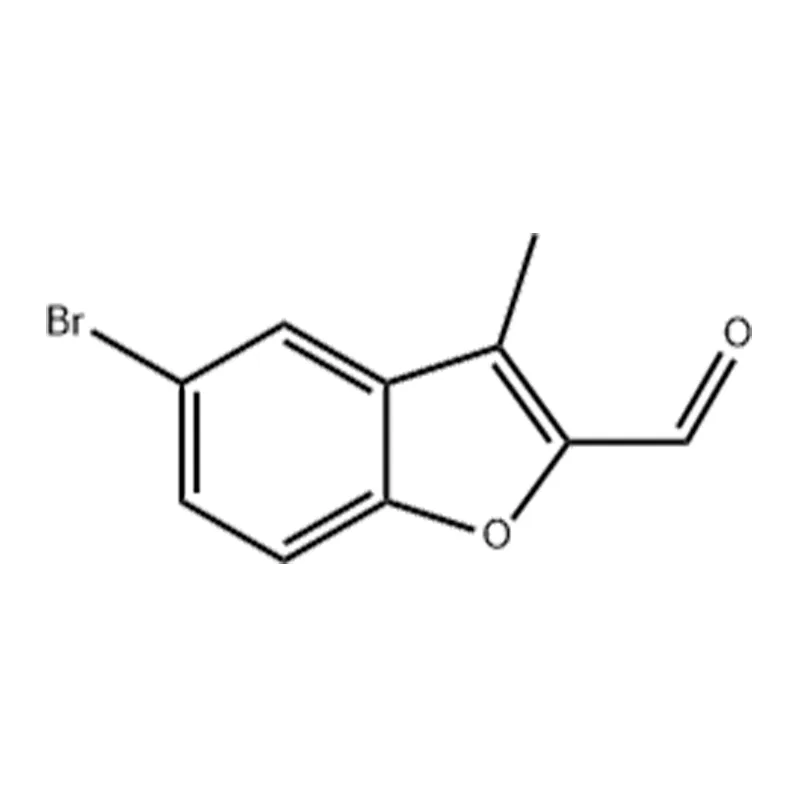
5-bromo-3-methylbenzofuran-2-carbaldehyde is a halogenated heterocyclic building block belonging to the benzofuran class of compounds. It features a planar, π-conjugated benzofuran core with a methyl group at the 3-position, a reactive aldehyde at the 2-position, and a bromine atom at the 5-position. This precise combination of three distinct functional handles—an electrophilic aldehyde, a nucleophilic-susceptible bromine, and a lipophilic methyl group—positions it as a highly versatile intermediate for divergent synthesis in medicinal chemistry and materials science.
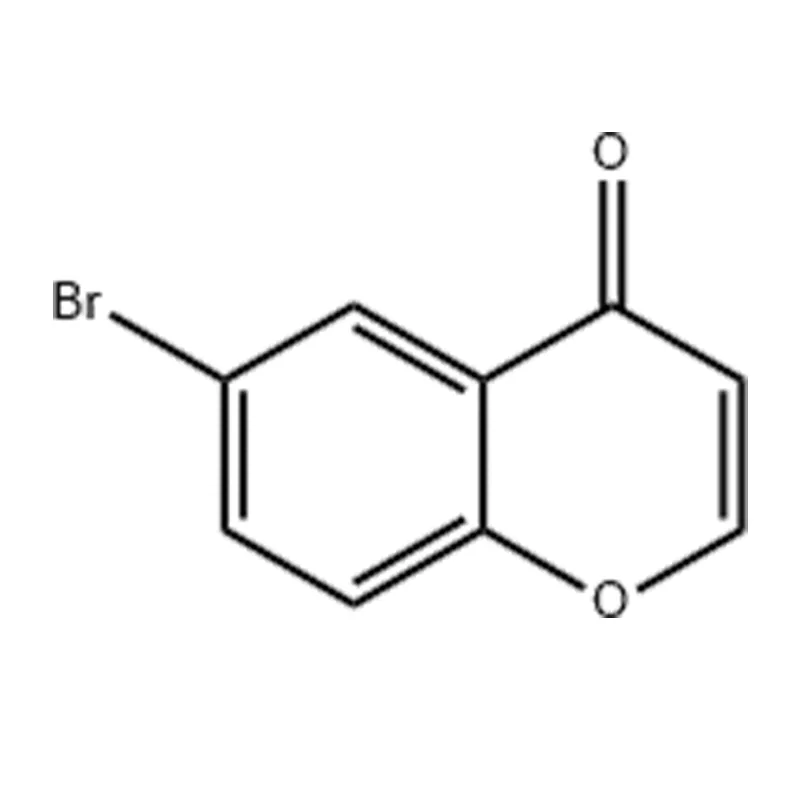
6-Bromochromone, chemically known as 6-bromo-4H-chromen-4-one, is a halogenated chromone derivative in which a bromine atom is strategically positioned at the 6‑position of the chromone (1,4‑benzopyrone) scaffold. This electron-withdrawing bromine substituent not only enhances the electrophilicity of the γ‑pyrone ring but also provides a versatile synthetic handle for transition‑metal-catalyzed cross‑coupling reactions and nucleophilic aromatic substitution, transforming the privileged chromone pharmacophore into a highly tunable building block for drug discovery, materials science, and biochemical research.
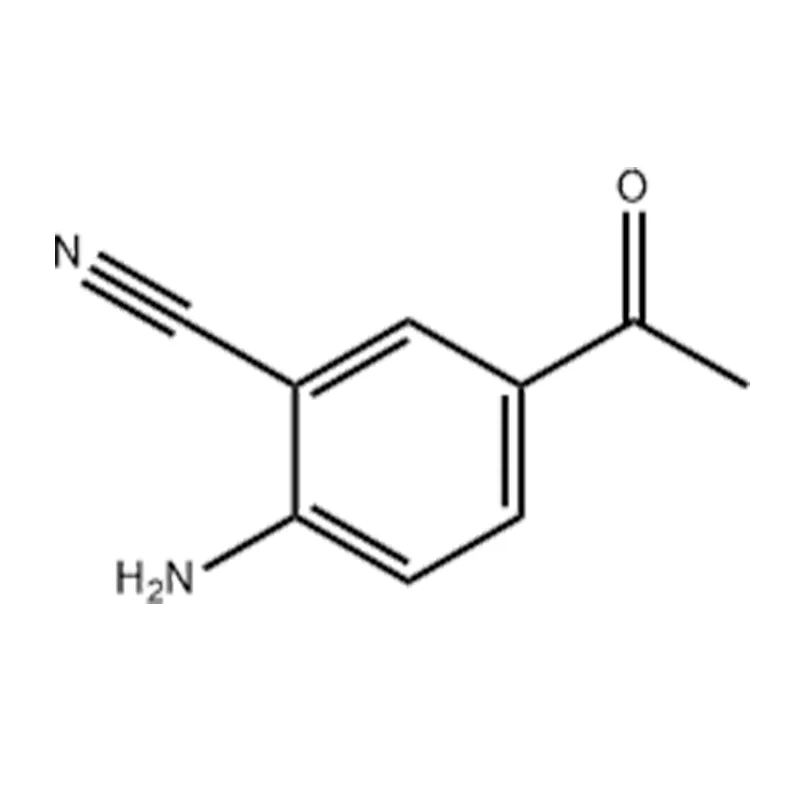
5-Acetyl-2-aminobenzonitrile is a disubstituted benzonitrile in which an electron-withdrawing acetyl group is positioned at the 5-position ortho to the nitrile, and a primary amine resides at the 2-position, creating a polarized, hydrogen-bond-donating aromatic scaffold whose ortho-amine and para-nitrile relationship enables cyclocondensation reactions toward fused heterocycles and serves as a key building block for adrenergic receptor-targeting pharmaceuticals.
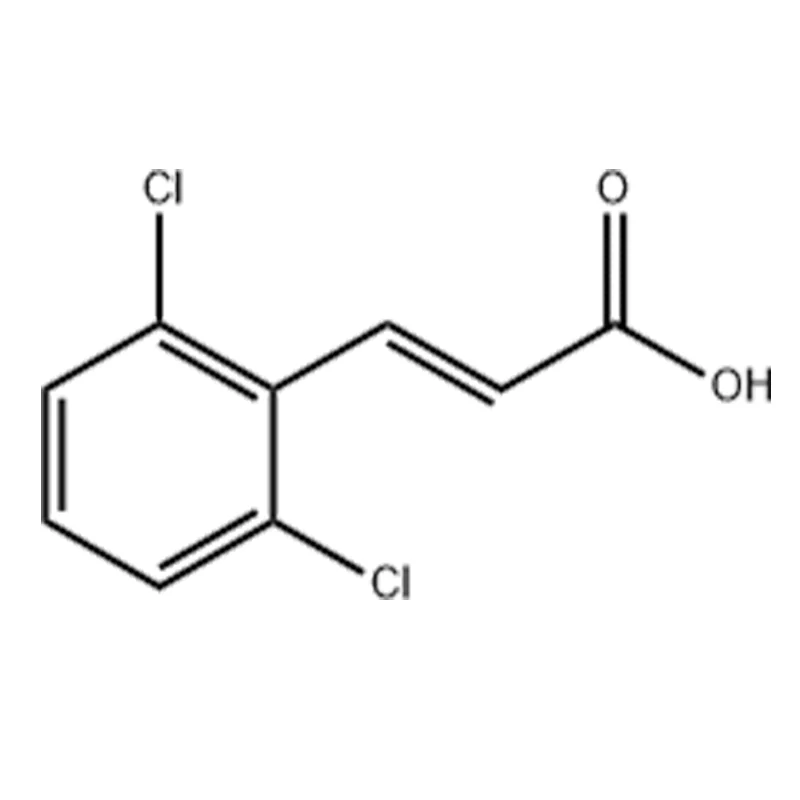
2,6-Dichloro-trans-cinnamic acid is a dihalogenated cinnamic acid derivative that features two chlorine atoms positioned ortho to the acrylic acid side chain, and this dual ortho-substitution pattern creates significant steric hindrance while also tuning the electronic properties of the α,β-unsaturated carboxylic acid system, distinguishing it from other cinnamic acid isomers in both chemical reactivity and biological activity.
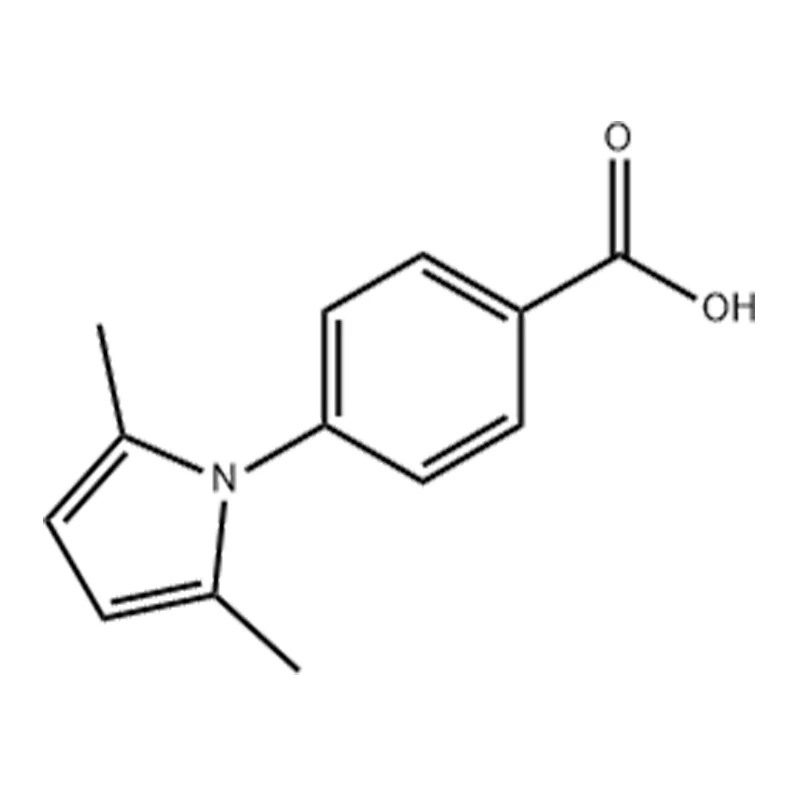
4-(2,5-Dimethyl-1H-pyrrol-1-yl)benzoic acid, also known as 1-(4-carboxyphenyl)-2,5-dimethyl-1H-pyrrole or DMBA, is a substituted N-aryl pyrrole derivative in which a 2,5-dimethylpyrrole ring is directly linked to the para-position of a benzoic acid core, and this specific substitution pattern unites a π-excessive, sterically shielded heterocycle with a hydrogen-bond-donating carboxylate handle, creating a conformationally restricted molecular architecture ideally suited for medicinal chemistry optimization and fragment-based drug discovery.
2-Methylbenzo[d]thiazole-6-carboxylic acid is a structurally compact fused heterocycle where a methyl-substituted thiazole ring is annulated to a benzoic acid framework at the 6-position. The resulting rigid planar architecture places the electron-withdrawing carboxylate and the electron-donating methyl group in a conjugation-tuned relationship that favors specific protein binding and provides a handle for further derivatization in medicinal and agricultural chemistry.
We use cookies to offer you a better browsing experience, analyze site traffic and personalize content. By using this site, you agree to our use of cookies. Privacy Policy


![2-methylbenzo[d]thiazole-6-carboxylic acid](https://www.cosperpharma.com/upload/8820/2-methylbenzo-d-thiazole-6-carboxylic-acid-98794.webp "2-methylbenzo[d]thiazole-6-carboxylic acid")