Benzo[d]thiazole-4-carboxylic acid is a heterocyclic building block where a carboxylic acid group is strategically anchored at the 4-position of the fused benzothiazole bicyclic system. The resulting planar, π-deficient aromatic scaffold, which combines an electron-withdrawing carboxylate with a polarized thiazole ring, serves as a conformationally restricted platform ideally suited for medicinal chemistry optimization and materials science applications.
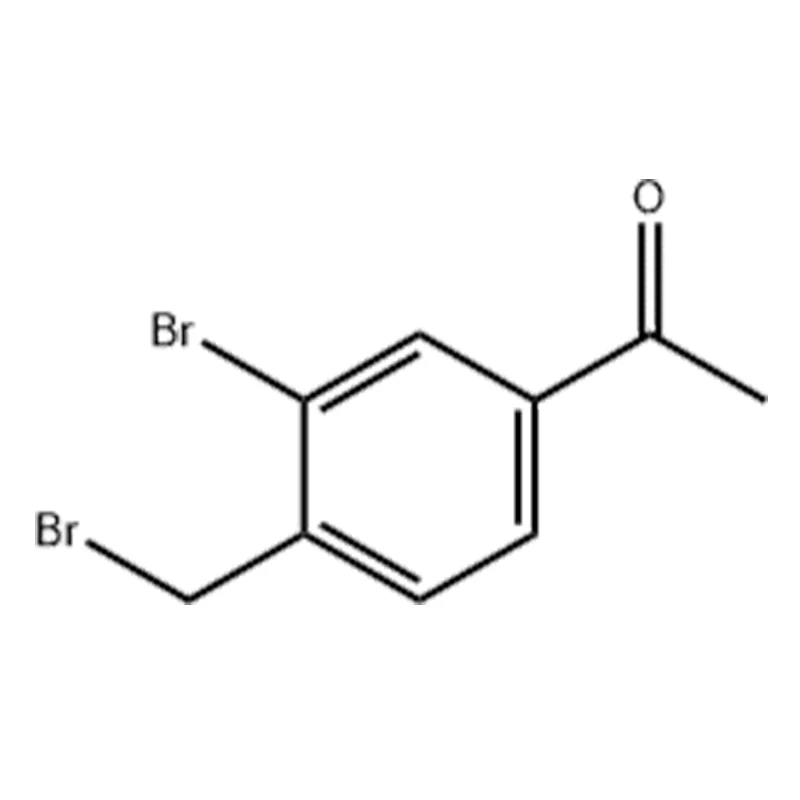
1-(3-Bromo-4-(bromomethyl)phenyl)ethanone (also known as 3'-bromo-4'-(bromomethyl)acetophenone) is a multi‑halogenated aromatic ketone featuring a bromomethyl group (–CH₂Br) at the 4‑position and a bromine atom at the 3‑position of the phenyl ring, ortho to the acetyl group. This specific substitution pattern creates a uniquely reactive scaffold where the benzylic bromomethyl group serves as an excellent leaving group for nucleophilic substitution and cross‑coupling reactions, while the ketone functionality provides additional versatility for further derivatization, making it a valuable bifunctional building block in medicinal chemistry and organic synthesis.
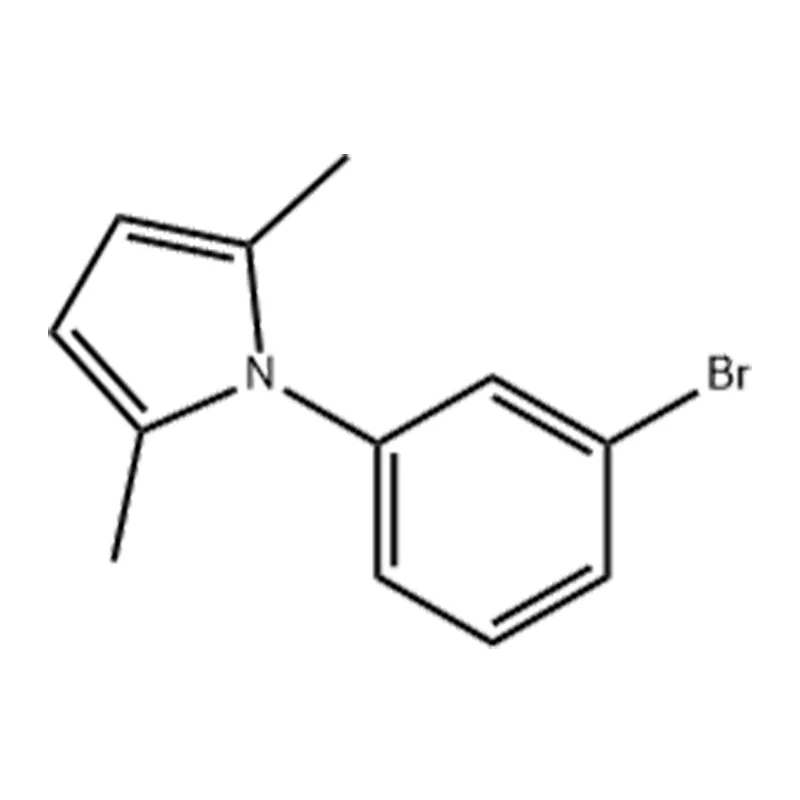
1-(3-Bromophenyl)-2,5-dimethylpyrrole is an N-aryl-2,5-dimethylpyrrole derivative in which a pyrrole ring is directly bonded to a 3-bromophenyl group, and the specific combination of an electron-rich pyrrole core, two methyl substituents at C2 and C5 for steric shielding, and a meta-bromine handle creates a uniquely configured scaffold for constructing sterically demanding, functionalized small molecules in drug discovery and materials chemistry.
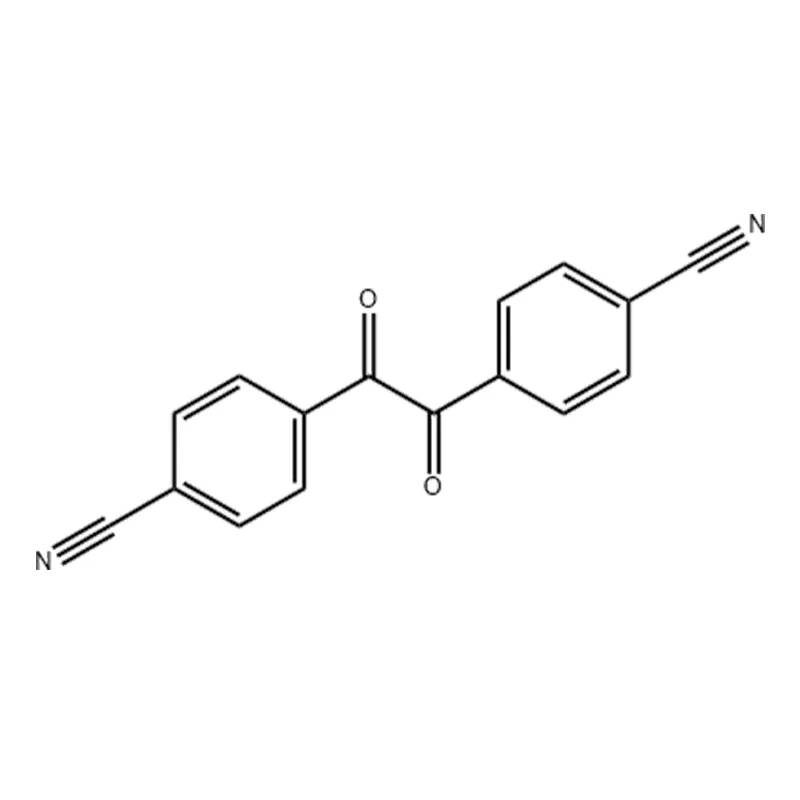
4,4’-Oxalyldibenzonitrile, also known as 4,4’-dicyanobenzil, is a symmetrical diketone featuring two para-cyanophenyl groups attached to a central 1,2-dicarbonyl moiety, and this electron-deficient, rigid molecular architecture provides a versatile platform for transition-metal coordination and post-synthetic functionalization in materials science and organic synthesis.
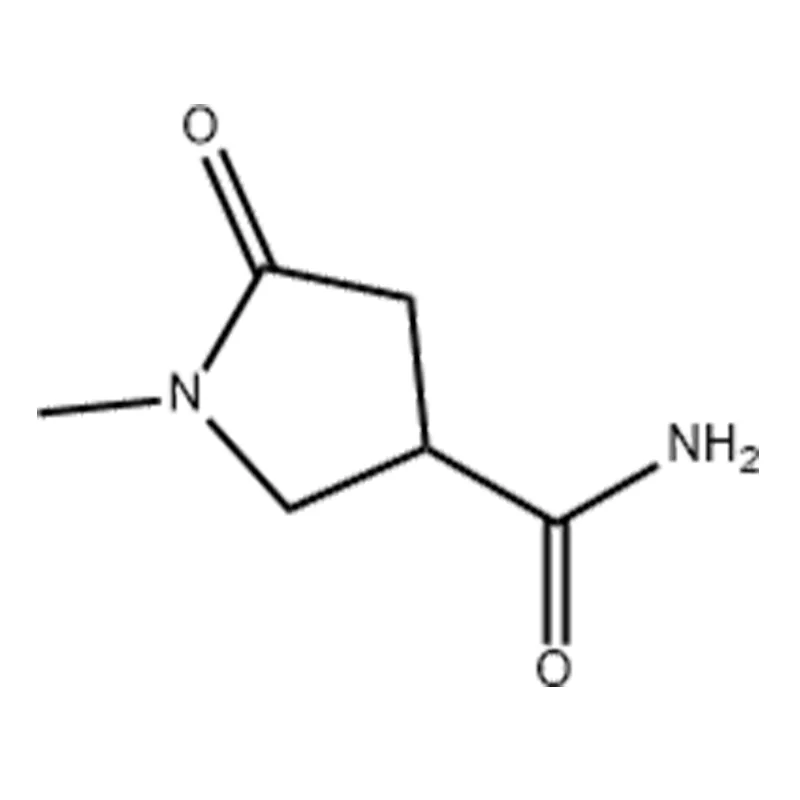
1-Methyl-5-oxopyrrolidine-3-carboxamide, also named 1-methyl-2-pyrrolidinone-4-carboxamide or 1-methyl-5-oxo-3-pyrrolidinecarboxamide, is a γ-lactam (2-pyrrolidone) derivative featuring both a primary amide and a tertiary amide (lactam) functionality, the dual amide groups enable versatile hydrogen-bonding interactions and serve as valuable handles for further derivatization toward enzyme inhibitors and receptor-targeting agents in medicinal chemistry.
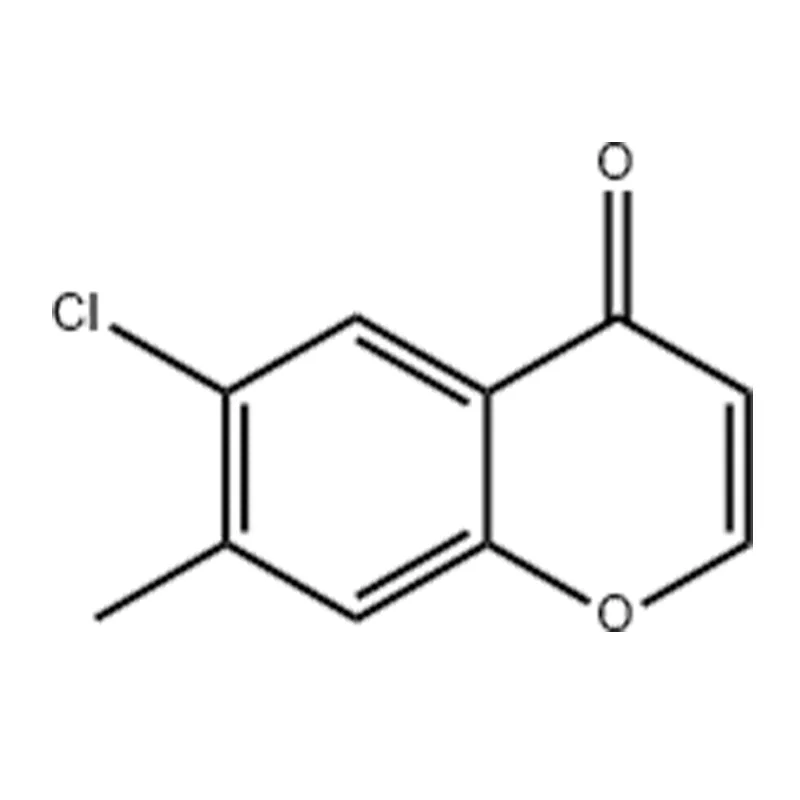
6-Chloro-7-methylchromone is a halogenated chromone derivative defined by the simultaneous presence of a chlorine atom at the 6-position and a methyl group at the 7-position on the benzopyran-4-one scaffold, and this precise substitution pattern uniquely modulates the core’s electronic distribution and lipophilicity, yielding physicochemical properties and biological activities that are not predictable from simpler 6‑chloro or 7‑methyl analogues alone.
We use cookies to offer you a better browsing experience, analyze site traffic and personalize content. By using this site, you agree to our use of cookies. Privacy Policy


![benzo[d]thiazole-4-carboxylic acid](https://www.cosperpharma.com/upload/8820/benzo-d-thiazole-4-carboxylic-acid-481712.webp "benzo[d]thiazole-4-carboxylic acid")