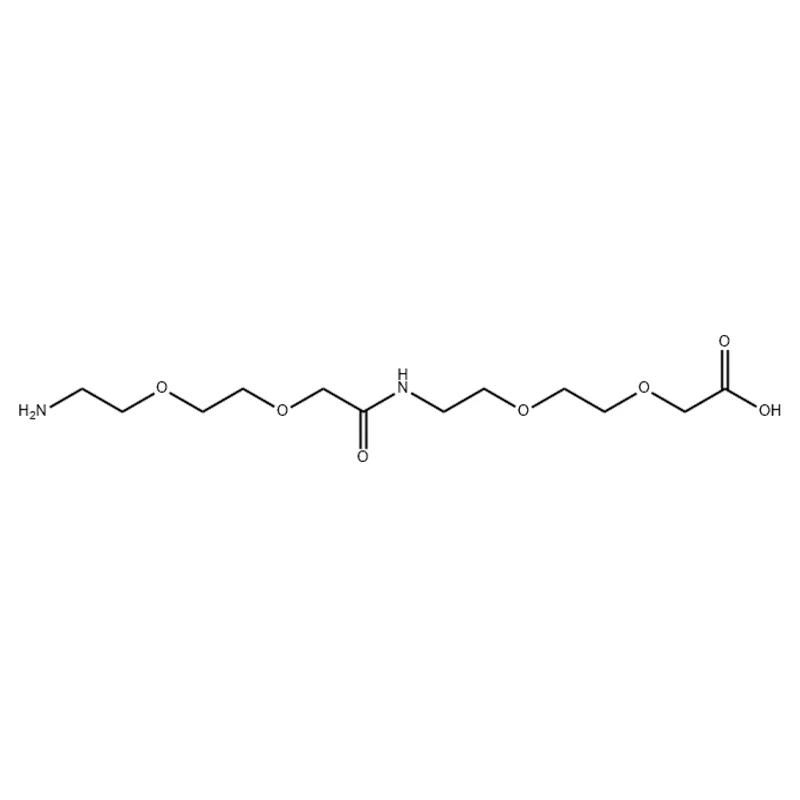
A single‑molecular‑weight, heterobifunctional PEG linker – this compound contains Aeea-Aeea ‑like units joined through an internal amide bond, providing a terminal primary amine (–NH₂) and a free carboxylic acid (–COOH) at opposite ends. The exact structure (C₁₂H₂₄N₂O₇) incorporates five ethylene glycol units in total, giving a hydrophilic spacer length of approximately 2.0–2.5 nm. Unlike polydisperse PEG mixtures, this discrete molecule offers a well‑defined mass (308.33 g/mol), a sharp melting point (133–135 °C), and predictable conjugation chemistry, making it a preferred building block for ADCs, PROTACs, and bioconjugation.
2-[2-[2-(Boc-amino)ethoxy]ethoxy]acetic Acid DCHA is the dicyclohexylamine (DCHA) salt of Boc-NH-PEG2-CH₂COOH — a Boc-protected, PEG2-spaced amino acid building block. The molecular formula is C₂₃H₄₄N₂O₆ (MW 444.61), and it presents as a white to off-white crystalline powder. The structure combines three functional elements: a tert-butoxycarbonyl (Boc)-protected primary amine, a diethylene glycol (PEG2) spacer, and a terminal acetic acid (–CH₂COOH), paired with one equivalent of dicyclohexylamine (DCHA). Unlike the free acid form, which is often a viscous oil or sticky semi-solid, the DCHA salt is a crystalline, free-flowing powder that is stable, easy to weigh, and convenient to handle on a laboratory scale.
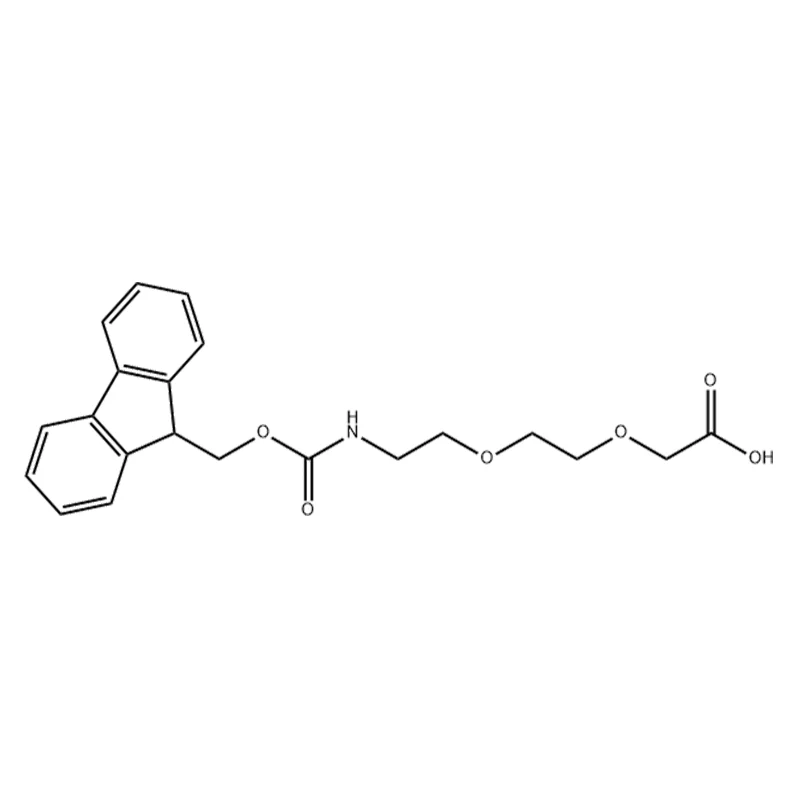
Fmoc-Aeea contains a Fmoc‑protected primary amine at one end and a free carboxylic acid at the other, separated by two ethylene glycol units (PEG2). The molecular formula is C₂₁H₂₃NO₆ (MW 385.41), and the compound presents as a white crystalline powder with a sharp melting point of 90–92 °C. The Fmoc group is base‑labile, enabling selective deprotection (e.g., 20% piperidine in DMF) to release the free amine for subsequent conjugation. The terminal carboxylic acid can be activated (HATU, EDC/NHS) for amide coupling with amine‑containing payloads or biomolecules.
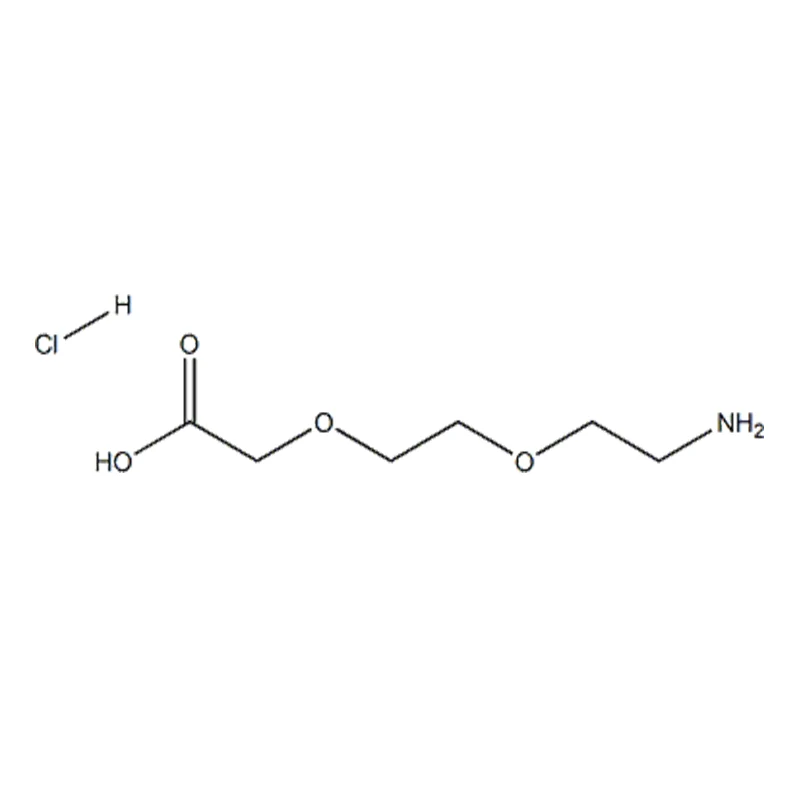
2-(2-(2-Aminoethoxy)ethoxy)acetic acid hydrochloride is the hydrochloride salt of a primary amine‑terminated PEG2 carboxylic acid. Its molecular formula is C₆H₁₄ClNO₄ (MW 199.63), and it appears as a white to off‑white solid. The structure is simple but powerful: H₂N‑CH₂CH₂‑O‑CH₂CH₂‑O‑CH₂‑COOH · HCl. Unlike its Fmoc‑protected counterpart (CAS 166108‑71‑0), this product comes with the amine already deprotected and stabilized as the hydrochloride salt, making it immediately available for conjugation reactions without an additional deprotection step. The two ethylene glycol units (PEG2) provide a short, hydrophilic spacer that enhances water solubility while minimizing steric hindrance.
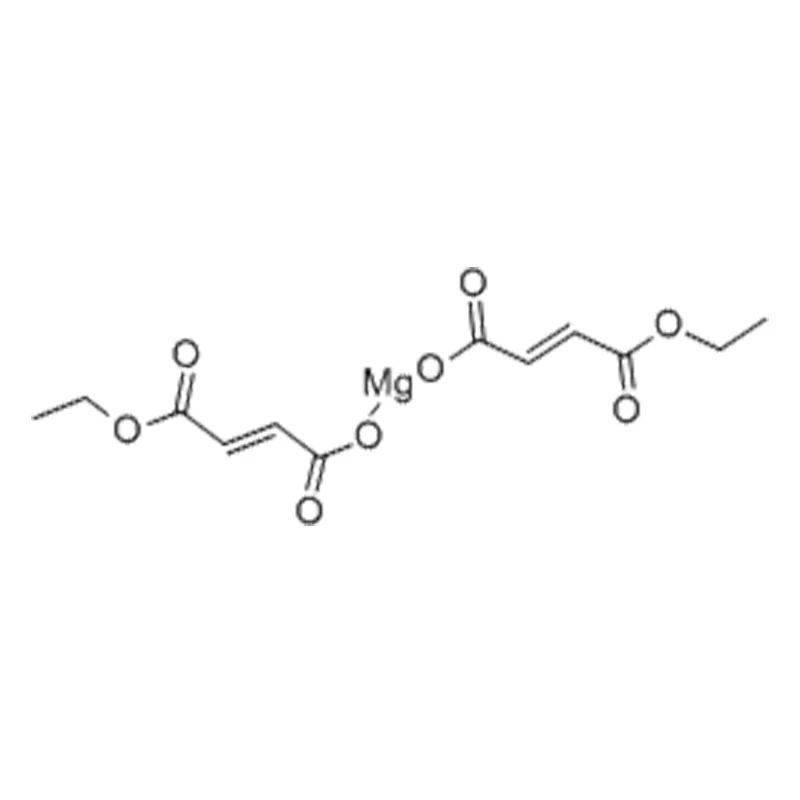
FuMaric Acid Monoethyl Ester MagnesiuM Salt is the magnesium salt of fumaric acid monoethyl ester, with two monoethyl fumarate anions coordinating to one Mg²⁺ cation. The molecular formula is C₁₂H₁₄MgO₈, and the molecular weight is 310.54 g/mol. The compound appears as a white to off‑white crystalline powder and decomposes at 169 °C (characteristic of many metal carboxylates). The InChI key is ZHLRSUSHKGQBNV-SYWGCQIGSA-L, and the SMILES representation CCOC(=O)\C=C\C(=O)O[Mg]OC(=O)\C=C\C(=O)OCC clearly shows the symmetric structure with magnesium bridging two monoester units via the carboxylate oxygens.
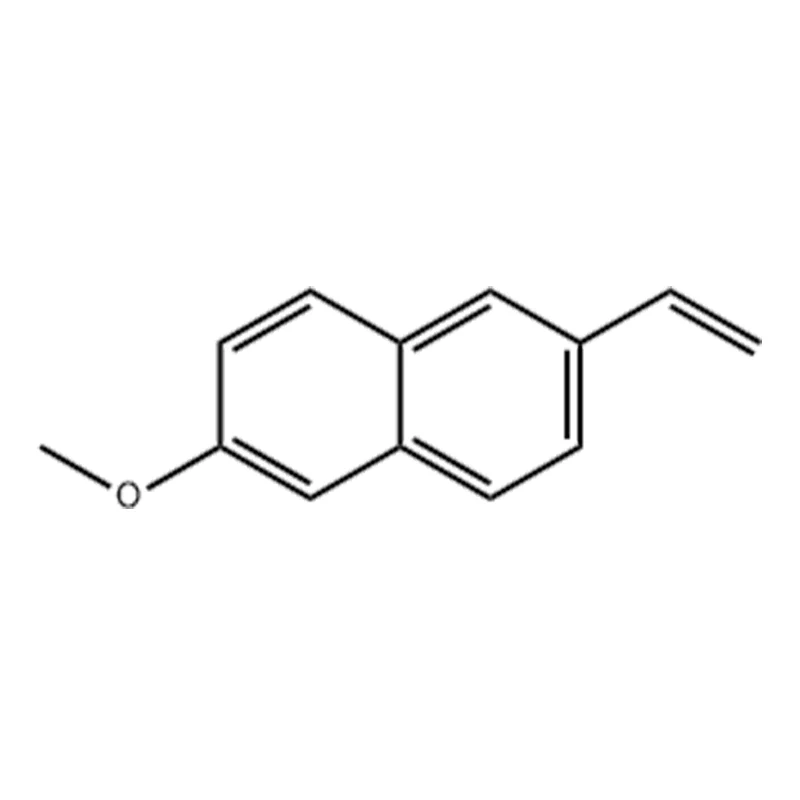
6-Methoxy-2-vinylnaphthalene features a naphthalene backbone with a methoxy group (–OCH₃) at the 2‑position and a vinyl group (–CH=CH₂) at the 6‑position. Its molecular formula is C₁₃H₁₂O, with a molecular weight of 184.23 g/mol, and it appears as a white to light yellow crystalline powder. The methoxy group enhances solubility in organic solvents, while the vinyl group provides a reactive site for key transformations such as hydroformylation, hydroesterification, and polymerization.
We use cookies to offer you a better browsing experience, analyze site traffic and personalize content. By using this site, you agree to our use of cookies. Privacy Policy


![2-[2-[2-(Boc-amino)ethoxy]ethoxy]acetic Acid DCHA](https://www.cosperpharma.com/upload/8820/2-2-2-boc-amino-ethoxy-ethoxy-acetic-acid-dcha-686551.webp "2-[2-[2-(Boc-amino)ethoxy]ethoxy]acetic Acid DCHA")