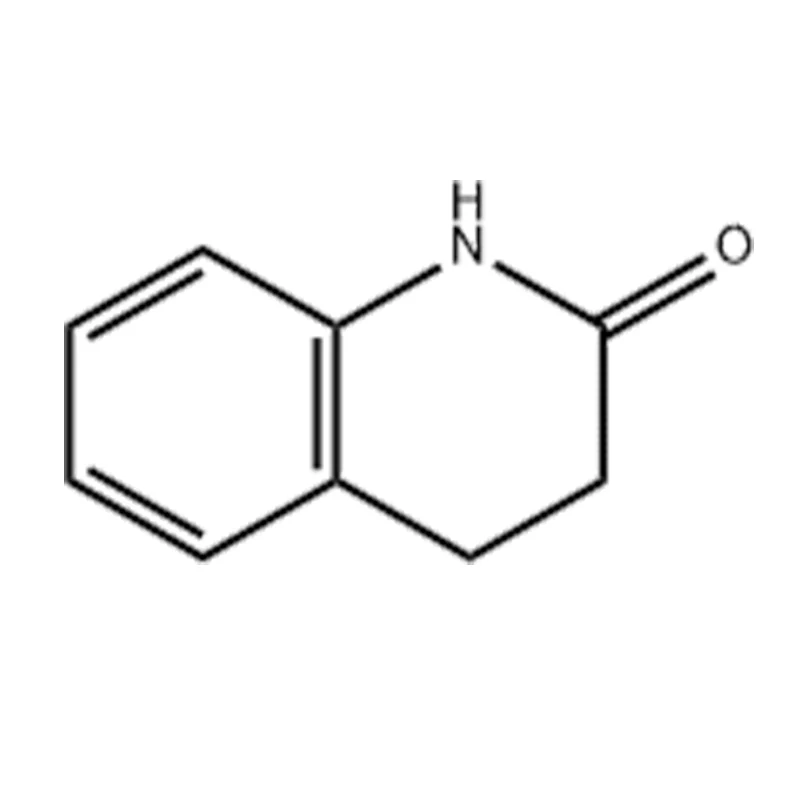
3,4-Dihydro-2(1H)-quinolinone (also known as 3,4-dihydroquinolin-2(1H)-one or hydrocarbostyril) is a cyclic secondary amide that features a rigid 1,2,3,4-tetrahydroquinolin-2-one skeleton containing a lactam ring fused to a benzene nucleus, and this fused, semi‑rigid structure serves as a conformationally restricted bioisostere of the 2‑aminoethylbenzamide pharmacophore for diverse biological applications.
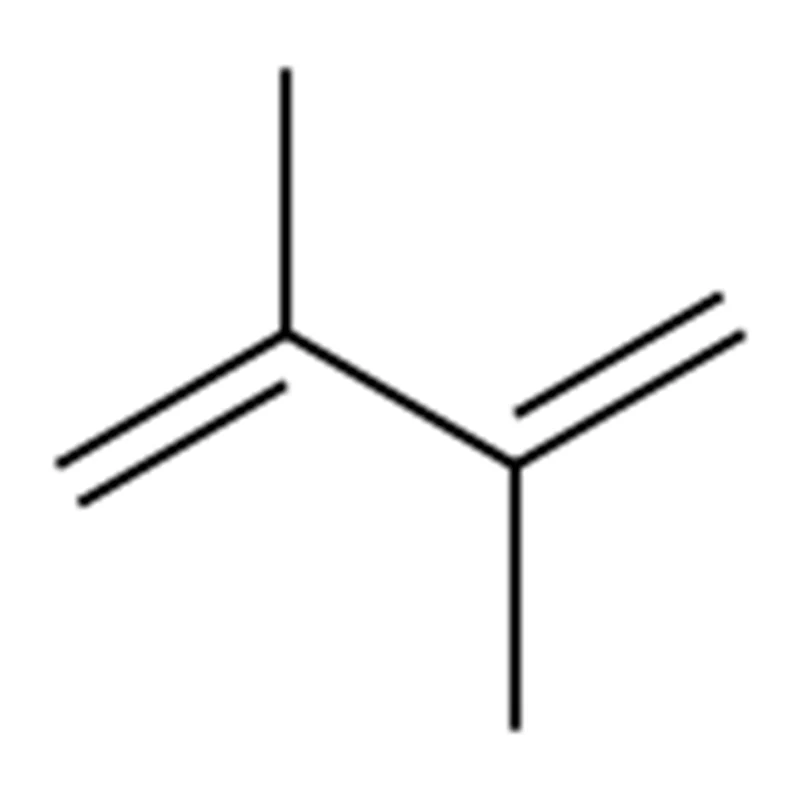
2,3-Dimethyl-1,3-butadiene (also known as 2,3-dimethylbuta-1,3-diene) is a conjugated diene featuring two methyl substituents at the 2‑ and 3‑positions of the 1,3‑butadiene skeleton. The electron-donating methyl groups increase the electron density of the diene system, enhancing its reactivity in Diels‑Alder cycloadditions and making it a valuable monomer for the production of specialty polymers and synthetic rubber.
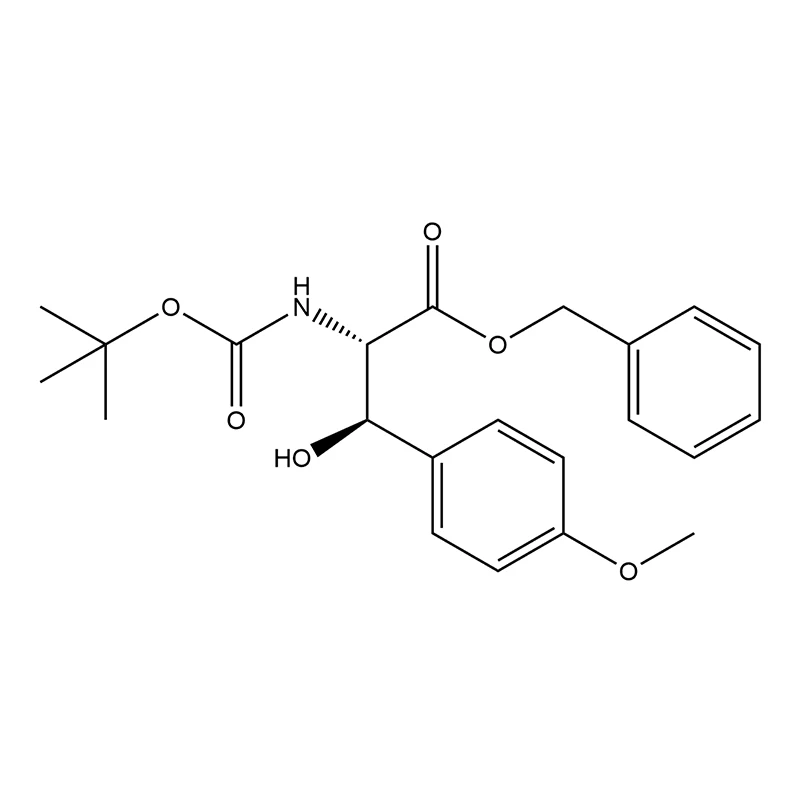
Benzyl (2S,3R)-2-((tert-butoxycarbonyl)amino)-3-hydroxy-3-(4-methoxyphenyl)propanoate (CAS 1629681‑57‑7) is a non‑natural β‑hydroxy‑α‑amino acid derivative with well‑defined stereochemistry. The molecule features a Boc‑protected amino group, a benzyl ester, and a 4‑methoxyphenyl moiety — offering orthogonal protection and versatile synthetic handles.
Our internally designated N-[(S)-(2,3,4,5,6-pentafluorophenoxy)phenoxyphosphinyl]-L-alaninel-Methylethyl ester (CAS: 1334513-02-8), holds multiple identities in pharmaceutical chemistry: it is both Sofosbuvir Impurity 75 and the core Sofosbuvir Intermediate 5, as well as a key reactant. Although it does not directly face patients like the finished drug, it is an indispensable precision gear in the entire Sofosbuvir synthesis pathway, directly impacting the quality and safety of the final API.
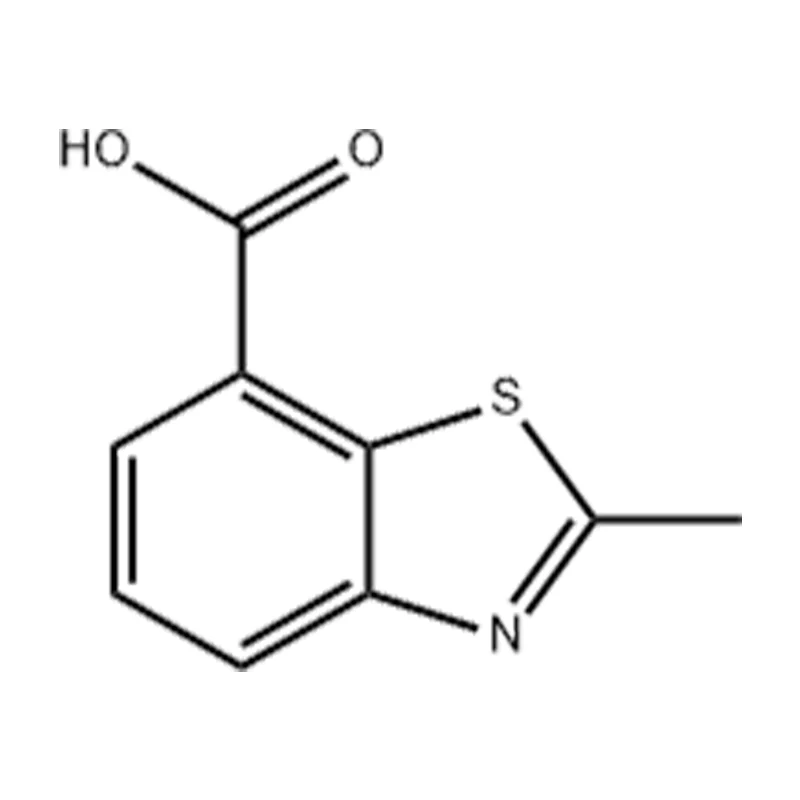
This molecule looks nearly identical to its more common isomer, 2-Methylbenzothiazole-7-Carboxylic Acid. Both share the same molecular formula (C₉H₇NO₂S) and the same molecular weight (193.22). But they differ in one critical detail: the location of the carboxylic acid group. Here, the –COOH is attached at the 7‑position (carbon atom adjacent to the ring fusion point), whereas the more familiar isomer places it at the 6‑position. This small change in connectivity creates a distinct physicochemical profile — a predicted pKa of 2.34±0.10 (significantly lower than the 3.61 pKa of the 6‑isomer, indicating a more acidic carboxyl group) — and opens up different opportunities in drug discovery and chemical biology.
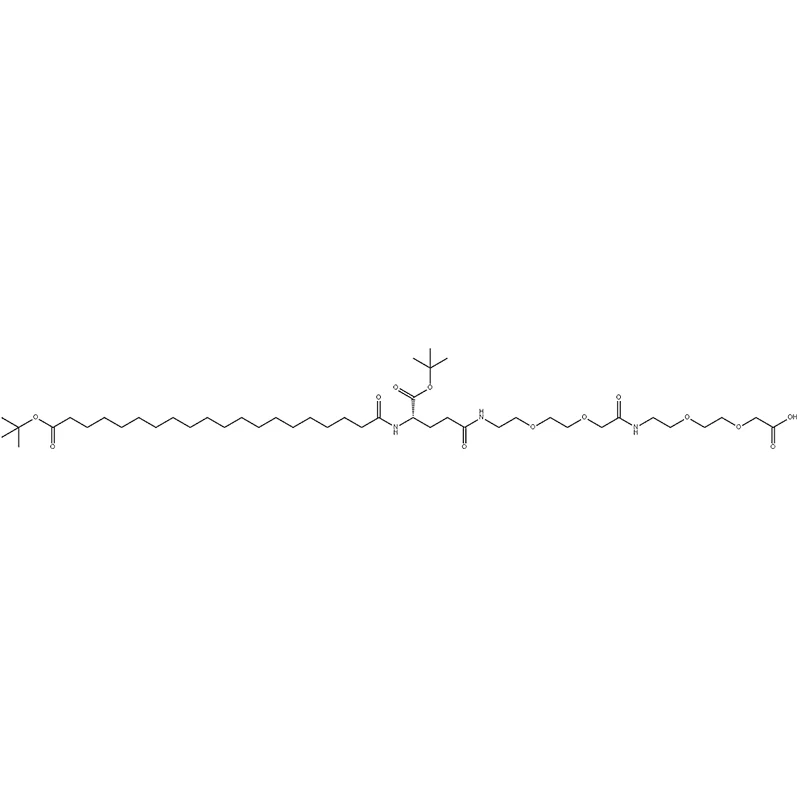
C20-OtBu-Glu(OtBu)-AEEA-AEEA-OH is the long‑chain fatty acid side chain used in the synthesis of Tirzepatide (a GIP/GLP‑1 dual agonist for type 2 diabetes and obesity) and related peptide therapeutics. Its full IUPAC name is (S)‑22‑(tert‑butoxycarbonyl)‑45, 45‑dimethyl‑10,19,24,43‑tetraoxo‑3, 6, 12, 15, 44‑pentaoxa‑9, 18,23‑triazahexatetracontanoic acid, but it is more commonly referred to by its abbreviated structure: C20‑OtBu‑Glu(OtBu)‑AEEA‑AEEA‑OH (molecular formula C₄₅H₈₃N₃O₁₃, MW 874.15). The molecule consists of four structural modules: (i) a C20 fatty diacid chain terminated with a tert‑butyl ester (OtBu) at the distal end; (ii) a L‑glutamic acid residue with its side‑chain carboxylate protected as an OtBu ester; (iii) two consecutive AEEA (2‑(2‑(2‑aminoethoxy)ethoxy)acetic acid) PEG2 spacers; and (iv) a free terminal carboxylic acid.
We use cookies to offer you a better browsing experience, analyze site traffic and personalize content. By using this site, you agree to our use of cookies. Privacy Policy


![N-[(S)-(2,3,4,5,6-pentafluorophenoxy)phenoxyphosphinyl]-L-alaninel-Methylethyl ester](https://www.cosperpharma.com/upload/8820/n-s-2-3-4-5-6-pentafluorophenoxy-phenoxyphosphinyl-l-alaninel-methylethyl-ester-67039.webp "N-[(S)-(2,3,4,5,6-pentafluorophenoxy)phenoxyphosphinyl]-L-alaninel-Methylethyl ester")