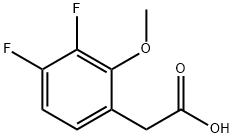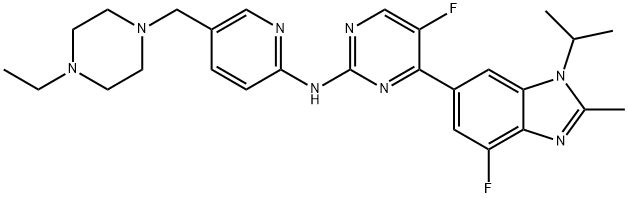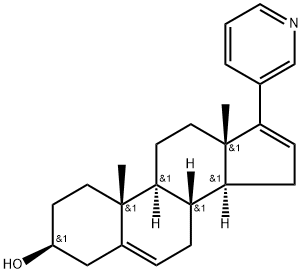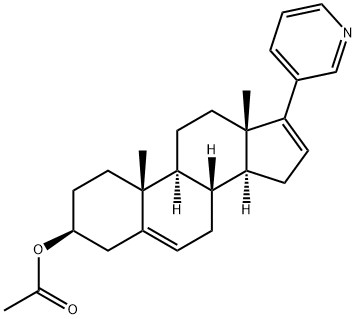

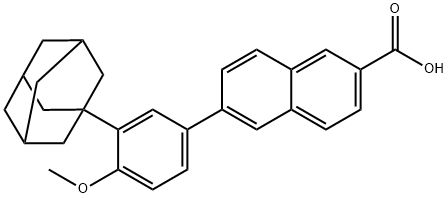
Adapalene is a third-generation synthetic retinoid widely used as the active pharmaceutical ingredient in topical acne treatments, most notably marketed as Differin®. As a selective agonist of retinoic acid receptors, Adapalene binds preferentially to RARβ and RARγ, modulating gene expression involved in cell differentiation, keratinization, and inflammation. Adapalene inhibits the growth and differentiation of sebocytes in a concentration-dependent manner and exhibits potent anti-inflammatory properties by inhibiting lipoxygenase activity. Adapalene is more active than indomethacin, betamethasone valerate, tretinoin, isotretinoin, or etretinate in inhibiting lipoxygenase activity, while showing little activity against cyclo-oxygenase. For pharmaceutical quality control and analytical development, Adapalene serves as an essential reference standard for impurity profiling, method validation, and stability studies in generic manufacturing.
Product Parameters
|
Parameter |
Specification |
|
Product Name |
Adapalene |
|
CAS Number |
106685-40-9 |
|
Molecular Formula |
C₂₈H₂₈O₃ |
|
Molecular Weight |
412.52 g/mol |
|
Appearance |
White to off-white solid |
|
Melting Point |
319-322 °C |
|
Boiling Point |
606.3±55.0 °C |
|
Solubility |
DMSO: ≥10.31 mg/mL |
|
Storage Condition |
2-8 °C |
Pharmacological Action
Pharmacokinetics
[Interactions]No interactions have been observed between this product and other medications that may be used concurrently on the skin. However, concomitant use with other retinoid drugs or other medications sharing similar mechanisms of action should be avoided. Adapalene exhibits stable chemical structure and does not decompose readily in air or sunlight. Extensive animal and human studies have demonstrated no phototoxicity or photosensitivity. Nevertheless, the safety of repeated exposure to sunlight or ultraviolet radiation remains uncertain; excessive sun exposure or UV exposure should be avoided when using this product. Adapalene has very low transdermal absorption, making systemic drug interactions unlikely. No evidence suggests that oral contraceptives, antibiotics, or other oral medications are affected by topical application of Dafuwen. Dafuwen may cause mild local irritation; additional irritation may occur when used concomitantly with exfoliants, astringents, or irritants. Therefore, concurrent use of other topical anti-acne agents such as erythromycin (concentration ≤4%), chloramphenicol phosphate solution (1%), or benzoyl peroxide aqueous gel (concentration ≤10%) in the morning, or Dafuwen gel at night, may prevent drug interaction-induced degradation or cumulative irritative effects.
[Adverse Reactions]The most common adverse reactions during the initial 2–4 weeks of treatment include erythema, dryness, scaling, pruritus, burning sensation, or stinging pain, typically mild to moderate in severity. Less frequent adverse reactions include sunburn, skin irritation, skin discomfort, burning sensations, and stinging pain (as reported in Chemicalbook). Rare adverse reactions encompass acne-related redness and swelling, dermatitis and contact dermatitis, ocular edema, conjunctivitis, erythema, pruritus, skin discoloration, rash, and eczema. In cases of severe adverse reactions, dosing frequency should be reduced or treatment discontinued.
Application
Contact Us
Address
No. 2 Yangguang 3rd Road, Duodao Chemical Cycle Industrial Park, Jingmen City, Hubei Province, China
Tel