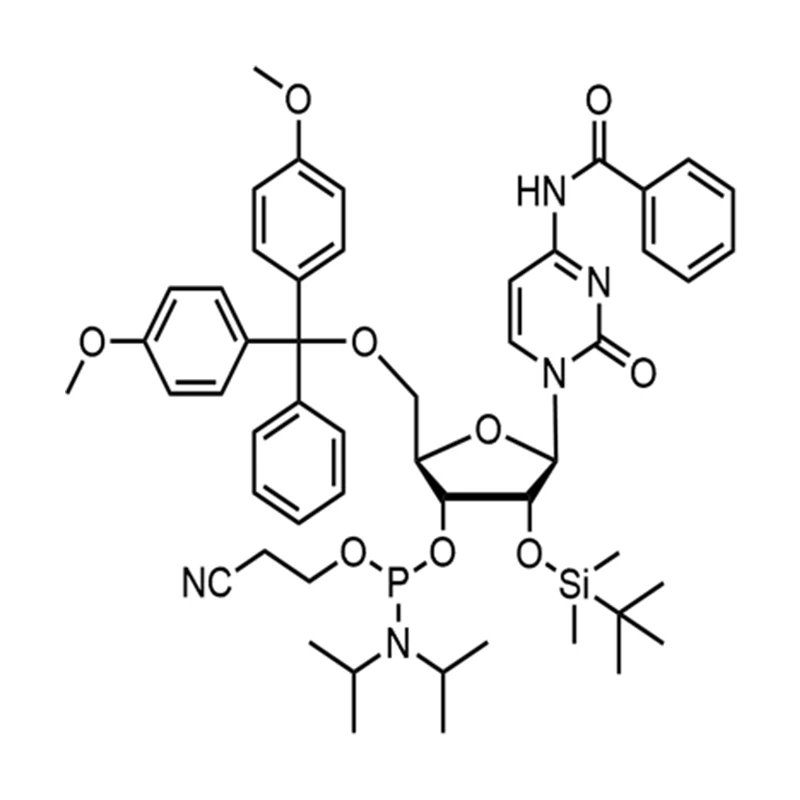
Bz-rC Phosphoramidite (also known as DMT‑2′‑O‑TBDMS‑rC(Bz) Phosphoramidite, CAS 118380-84-0) is a standard ribonucleoside phosphoramidite monomer used in solid‑phase RNA synthesis. The molecule features a 2′-O‑TBDMS (tert‑butyldimethylsilyl) protecting group on the ribose sugar, an N4‑benzoyl (Bz) exocyclic amine protecting group on the cytosine base, a 5′-O‑dimethoxytrityl (DMT) protecting group at the 5′-hydroxyl position, and a β‑cyanoethyl (CE) phosphoramidite functionality at the 3′-position. The N4‑benzoyl group is one of the most widely used protecting strategies for the cytosine exocyclic amine, providing robust protection against undesired acylation and branching reactions during oligonucleotide chain assembly. The 2′-O‑TBDMS group is the classical protecting group for the 2′-hydroxyl in RNA synthesis, offering excellent selectivity during deprotection and compatibility with standard solid‑phase synthesis cycles. Bz-rC Phosphoramidite is the building block of choice for researchers requiring high‑fidelity incorporation of cytidine residues into synthetic RNA oligonucleotides for applications ranging from structural biology to RNA therapeutics.
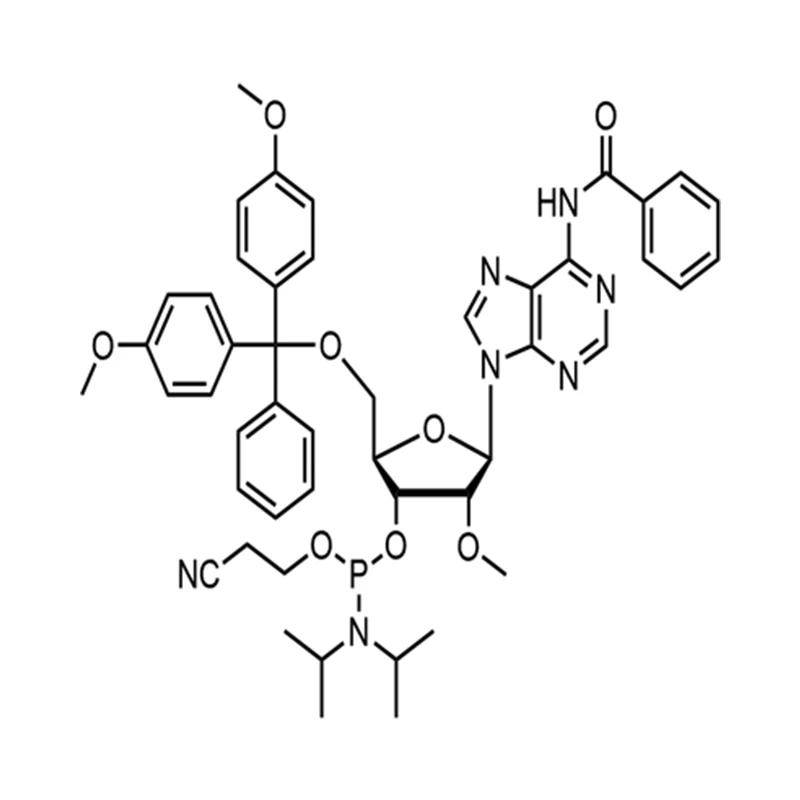
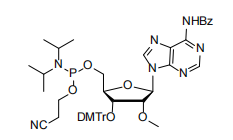
2′-O-Methyl-rA(N-Bz) Phosphoramidite (also known as DMT-2′-O-Methyl-rA(Bz) Phosphoramidite, CAS 110782-31-5) is a chemically modified ribonucleoside phosphoramidite monomer featuring a 2′-O-methyl modification on the ribose sugar, an N6-benzoyl (Bz) exocyclic amine protecting group on the adenine base, and a standard 5′-O-dimethoxytrityl (DMT) protecting group at the 5′-hydroxyl position, with a β-cyanoethyl (CE) phosphoramidite functionality at the 3′-position. The 2′-O-methyl modification is one of the most extensively characterized and widely adopted sugar modifications in oligonucleotide chemistry; this substitution increases the thermal stability of duplexes formed with complementary RNA strands and confers significant resistance to nuclease-mediated degradation without altering Watson–Crick base-pairing properties. The rigid bicyclic adenosine scaffold, combined with the methoxy group at the 2′-position, locks the sugar into a C3′-endo (RNA-like) conformation, which pre‑organizes the oligonucleotide backbone for optimal hybridization to target RNA sequences. The benzoyl protecting group on the N6 position of the adenine base provides robust protection during solid-phase oligonucleotide synthesis against undesired side reactions, while the 5′-O-DMT group enables facile purification by reversed-phase chromatography or trityl‑on cartridges. 2′-O-Methyl-rA(N-Bz) Phosphoramidite is therefore the building block of choice for researchers seeking to introduce site‑specific 2′-O-methyladenosine modifications into RNA, siRNA, antisense oligonucleotides (ASOs), aptamers, and other chemically modified nucleic acid therapeutics.
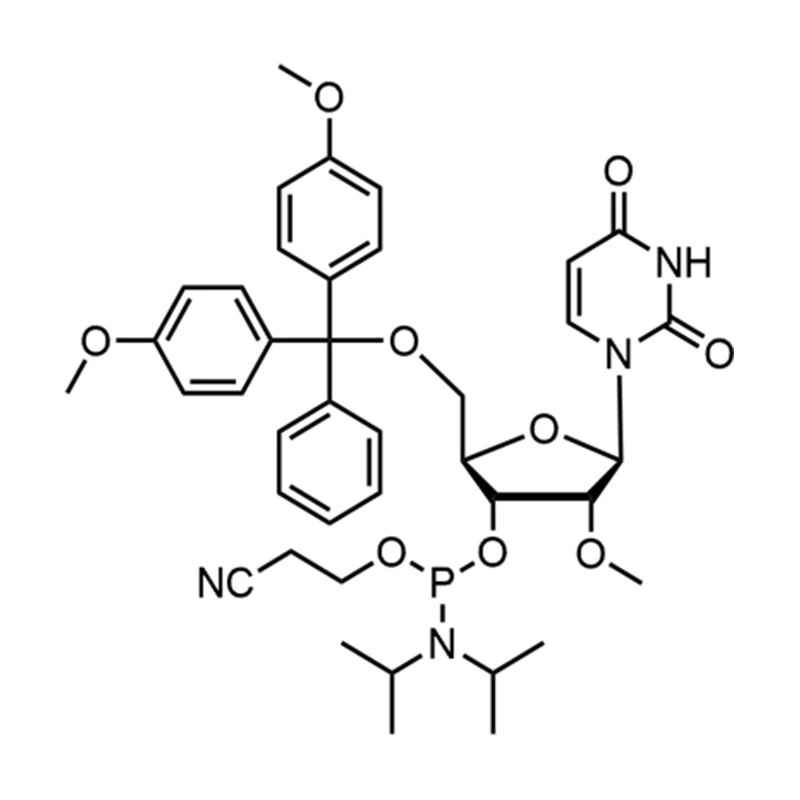
The product is 2'-OMe-U Phosphoramidite (5'-O-(4,4'-Dimethoxytrityl)-2'-O-methyl-uridine-3'-O-[(2-cyanoethyl)-(N,N-diisopropyl)]-phosphoramidite). It is a modified RNA phosphoramidite where a methyl group replaces the hydrogen on the 2'-hydroxyl of the uridine ribose sugar. This seemingly minor 2'-O-methyl (2'-OMe) modification dramatically alters the nucleotide's properties: it increases the oligonucleotide's resistance to nuclease degradation, reduces immune stimulation, and enhances binding affinity to complementary RNA. 2'-OMe-U Phosphoramidite is the standard reagent for introducing this beneficial modification into RNA sequences during solid-phase synthesis.
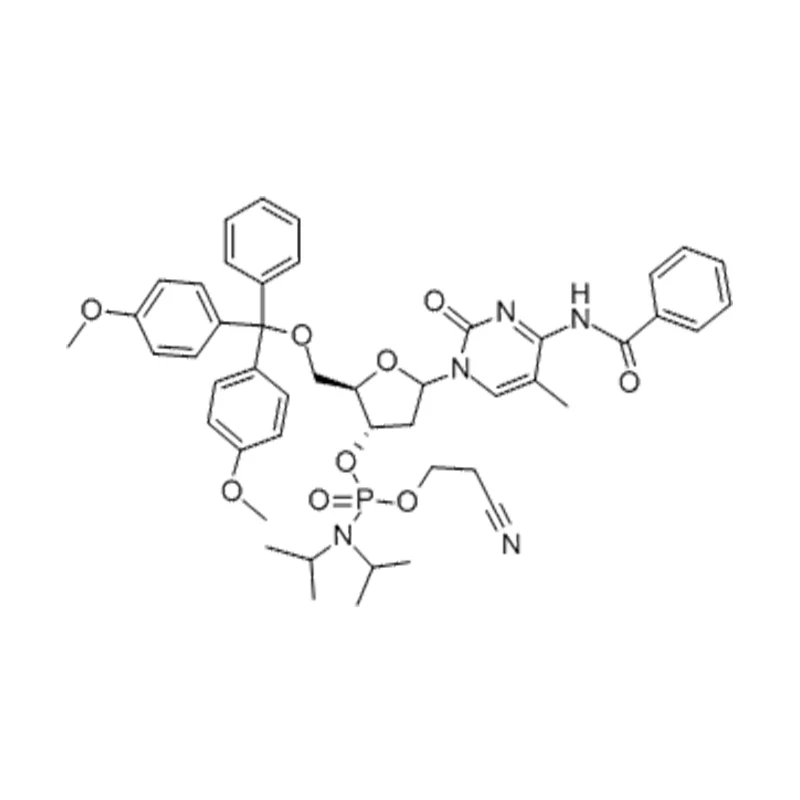
5'-O-(4,4'-DiMethoxytrityl)-N4-benzoyl-2'-deoxy-5-Methylcytidine-3'-O-(O-2-cyanoethyl-N,N-diisopropylaMino) phosphoramidite (commonly abbreviated as DMT‑dC(Bz,5‑Me) Phosphoramidite, CAS 105931-57-5) is a modified deoxyribonucleoside phosphoramidite monomer featuring a 5‑methylcytosine base with an N4‑benzoyl protecting group, a 2′‑deoxyribose sugar, a 5′‑O‑dimethoxytrityl (DMT) protecting group, and a β‑cyanoethyl phosphoramidite at the 3′‑position. The 5‑methylcytosine modification occurs naturally in DNA as an epigenetic marker (CpG methylation) and is also widely used in antisense oligonucleotide (ASO) chemistry to enhance nuclease resistance and modulate binding affinity. When incorporated into oligonucleotides, 5‑methylcytosine base pairs with guanine in the standard Watson–Crick geometry but is not recognized as a substrate for certain DNA methyltransferases, depending on the sequence context. 5'-O-(4,4'-DiMethoxytrityl)-N4-benzoyl-2'-deoxy-5-Methylcytidine-3'-O-(O-2-cyanoethyl-N,N-diisopropylaMino) phosphoramidite is a critical building block for the synthesis of CpG‑containing oligonucleotides with defined methylation patterns, as well as for antisense drugs where the 5‑methyl group reduces immunostimulation and increases duplex thermal stability.
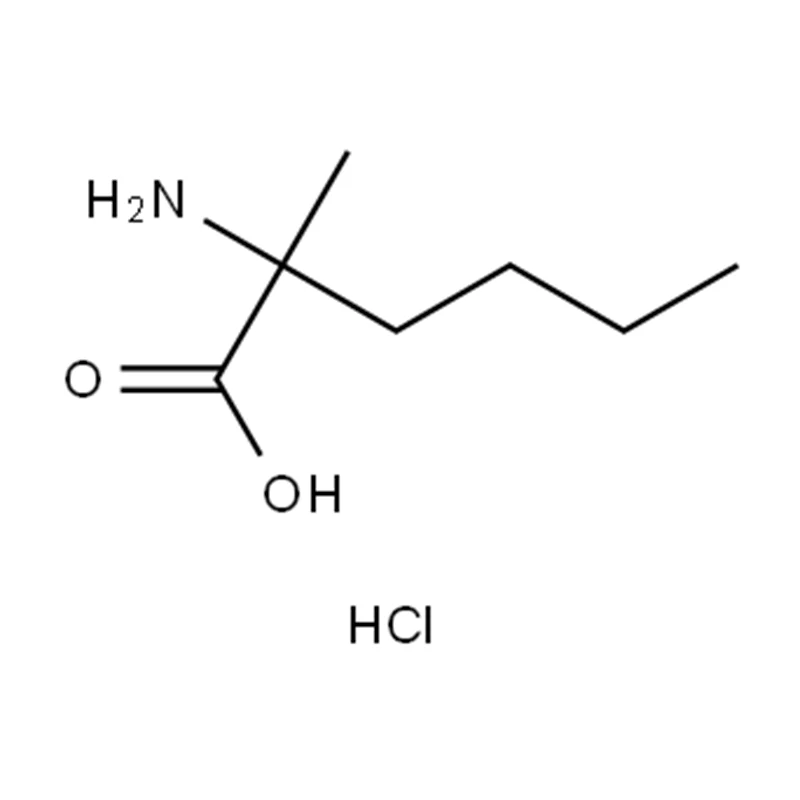
2-Amino-2-methylhexanoic acid hydrochloride (CAS 88852-94-2), also known as 2-methylnorleucine hydrochloride, is a non-natural α,α-disubstituted amino acid hydrochloride salt. The molecule features an amino group and a carboxyl group attached to the same α-carbon, which also bears a methyl substituent and a butyl side chain—creating a sterically hindered, α,α-disubstituted architecture.
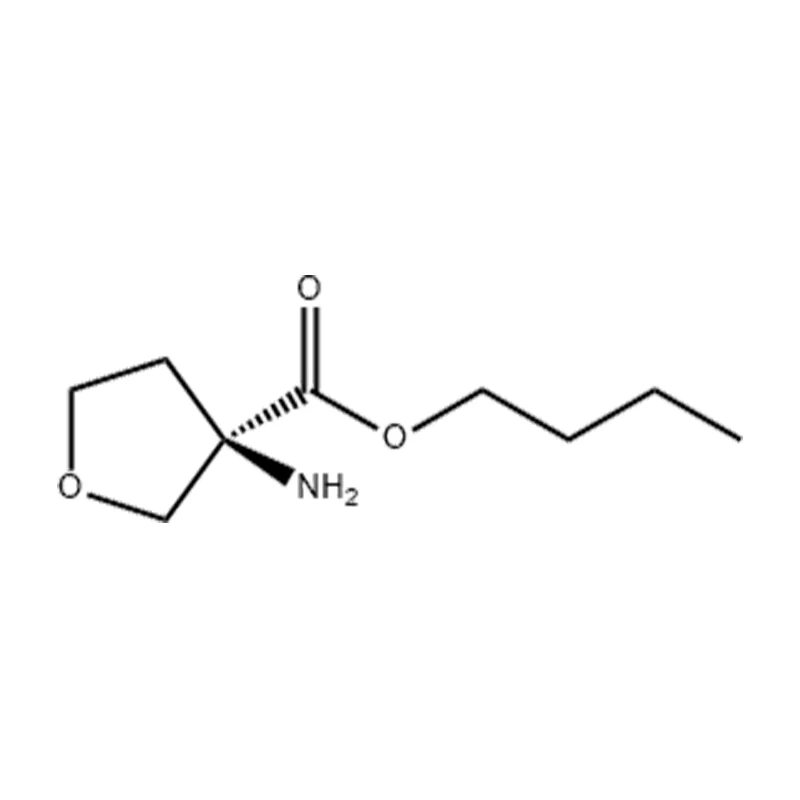
Butyl (R)-3-Aminotetrahydrofuran-3-carboxylate (CAS 1242187-12-7) is a chiral, non-racemic cyclic β-amino acid ester featuring a tetrahydrofuran (THF) ring with a quaternary stereocenter at the C3 position. The molecule incorporates an amino group and a butyl ester functionality attached to the same carbon of the tetrahydrofuran ring, with defined (R)-configuration at the stereocenter.
Cosper is a professional Intermediate manufacturer and supplier in China. We have an experienced sales team, professional technicians, and an after-sales service team.
We use cookies to offer you a better browsing experience, analyze site traffic and personalize content. By using this site, you agree to our use of cookies. Privacy Policy