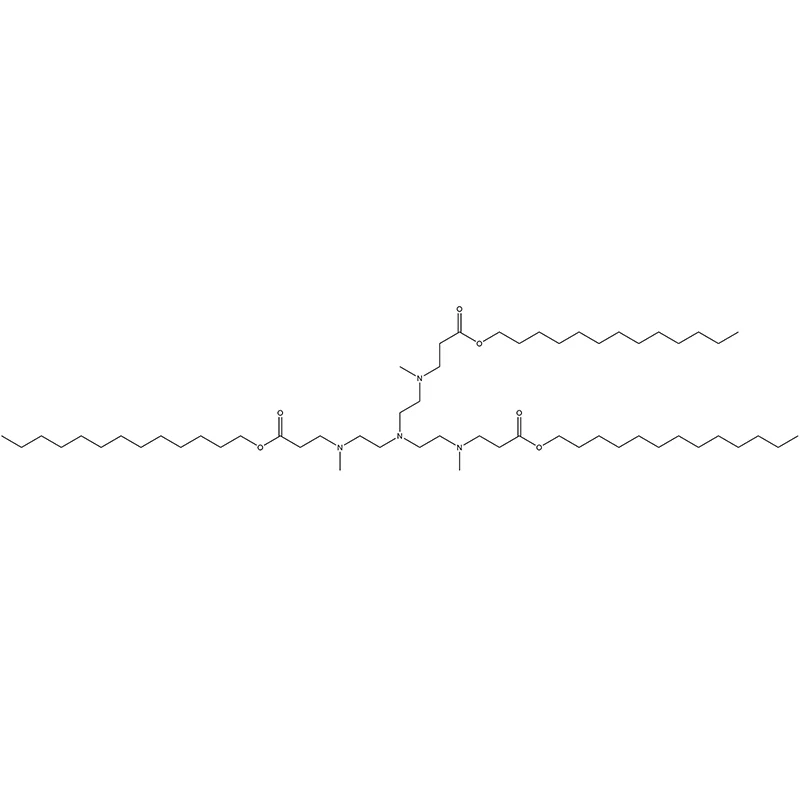
The product is β-Alanine, N,N',N''-(nitrilotri-2,1-ethanediyl)tris[N-methyl-, 1,1',1''-tritridecyl ester (commonly known as 304O13). Structurally, it is an ionizable cationic lipidoid, characterized by a central tertiary amine core (nitrilotri-2,1-ethanediyl) linked via three arms to N-methyl-β-alanine units, each terminating in a long, saturated tridecyl (C13) alkyl chain. This unique molecular architecture is meticulously designed for its function: the central amine provides pH-dependent ionization (cationic at low pH, neutral at physiological pH), the amide linkages offer biodegradability, and the three hydrophobic tails drive self-assembly into lipid nanoparticles (LNPs).
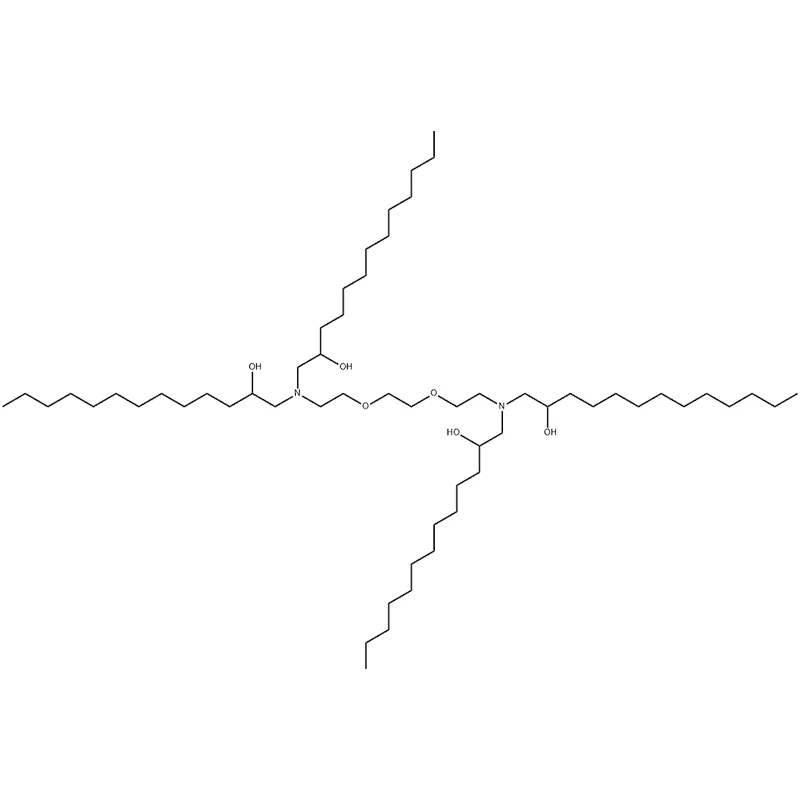
C13-112-tetra-tail (CAS 1381861-92-2) is an ionizable cationic lipid molecule characterized by a unique molecular architecture that combines a polar amino alcohol head group, four hydrophobic carbon‑13 tails, and a PEG2 linker. The lipid features a central tertiary amine core from which four tridecyl (C13) chains extend, each terminating in a primary hydroxyl group. Structurally, C13-112-tetra-tail comprises two amino alcohol units connected via a PEG2 (diethylene glycol) spacer, resulting in a symmetric, multi‑tail configuration that maximizes hydrophobic volume while maintaining amphiphilicity for effective lipid nanoparticle (LNP) formation.
1-[2,3-Bis[(9Z,12Z)-octadeca-9,12-dien-1-yloxy]propyl]pyrrolidine, also known as A-066, is a cationic lipid featuring a pyrrolidine head group attached to a glycerol backbone that is di-etherified with two linoleyl (C18:2, Δ9,12) hydrocarbon tails. Structurally, the molecule comprises a central chiral glycerol scaffold with two unsaturated fatty alcohol chains (each containing two cis-double bonds) linked via ether bonds, terminating in a tertiary pyrrolidine amine. The presence of the pyrrolidine head group distinguishes 1-[2,3-Bis[(9Z,12Z)-octadeca-9,12-dien-1-yloxy]propyl]pyrrolidine from the structurally related DODMA, which features a dimethylamino head group.
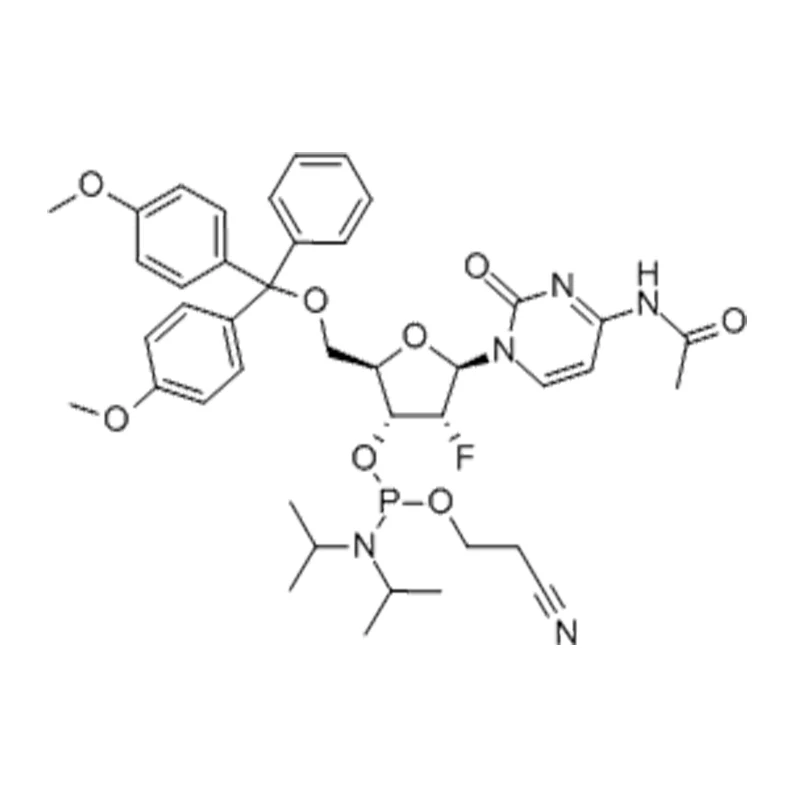
The product is 2'-F-Ac-dC Phosphoramidite (5'-O-(4,4'-Dimethoxytrityl)-2'-fluoro-2'-deoxycytidine-3'-O-[(2-cyanoethyl)-(N,N-diisopropyl)]-phosphoramidite). As a specialized phosphoramidite monomer, its core structure features a 2'-deoxycytidine sugar moiety with a fluorine atom at the 2' position and an acetyl (Ac) protecting group on the cytosine base. This unique 2'-fluoro modification profoundly influences the sugar pucker conformation, locking the ribose ring into a C3'-endo (RNA-like) conformation. This pre-organized structure dramatically enhances the nuclease resistance of the resulting oligonucleotide and increases its binding affinity to complementary RNA targets. 2'-F-Ac-dC Phosphoramidite is therefore not just a building block; it is the key to generating chemically stabilized, high-affinity antisense oligonucleotides (ASOs), siRNAs, and aptamers.
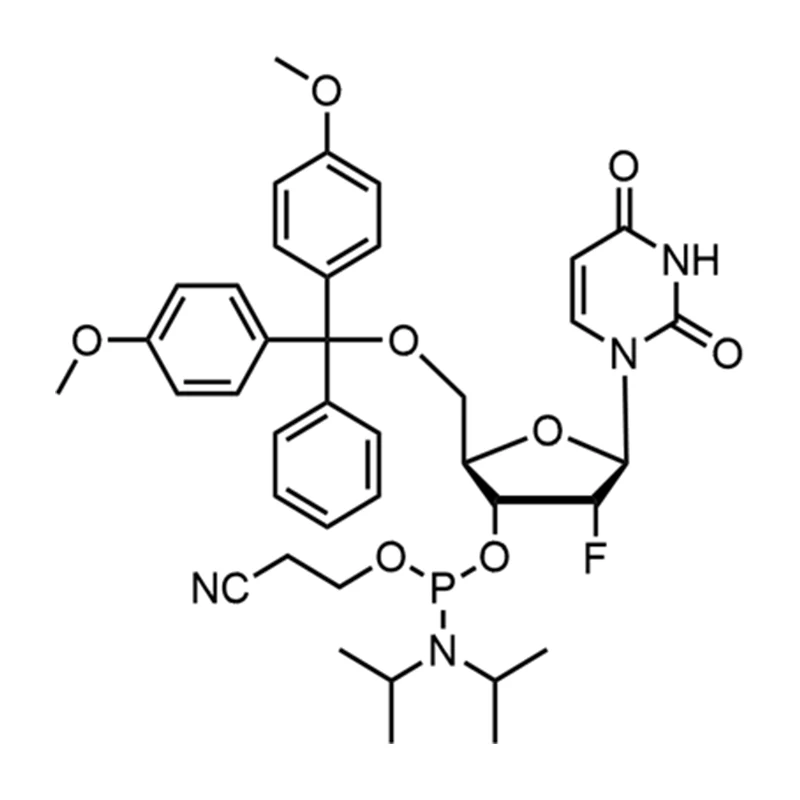
2'-F-dU Phosphoramidite (also known as DMT‑2′‑F‑dU Phosphoramidite, CAS 146954-75-8) is a chemically modified deoxyuridine phosphoramidite monomer featuring a 2′‑fluoro (2′‑F) substitution on the deoxyribose sugar, a 5′‑O‑dimethoxytrityl (DMT) protecting group, and a β‑cyanoethyl (CE) phosphoramidite at the 3′‑position. The uridine base is present without any exocyclic amine protecting group (unlike cytidine or adenosine), simplifying the synthesis and deprotection of oligonucleotides containing this modification. The 2′‑fluoro modification is one of the most powerful chemical modifications for enhancing nuclease resistance and thermal stability in oligonucleotide therapeutics. The highly electronegative fluorine atom at the 2′‑position locks the sugar into a C3′‑endo (RNA‑like) conformation, which pre‑organizes the oligonucleotide backbone for tight binding to complementary RNA targets. 2'-F-dU Phosphoramidite is widely used in the synthesis of siRNA, antisense oligonucleotides (ASOs), and aptamers, particularly where a thymine‑like base is needed but with enhanced binding affinity to adenosine.
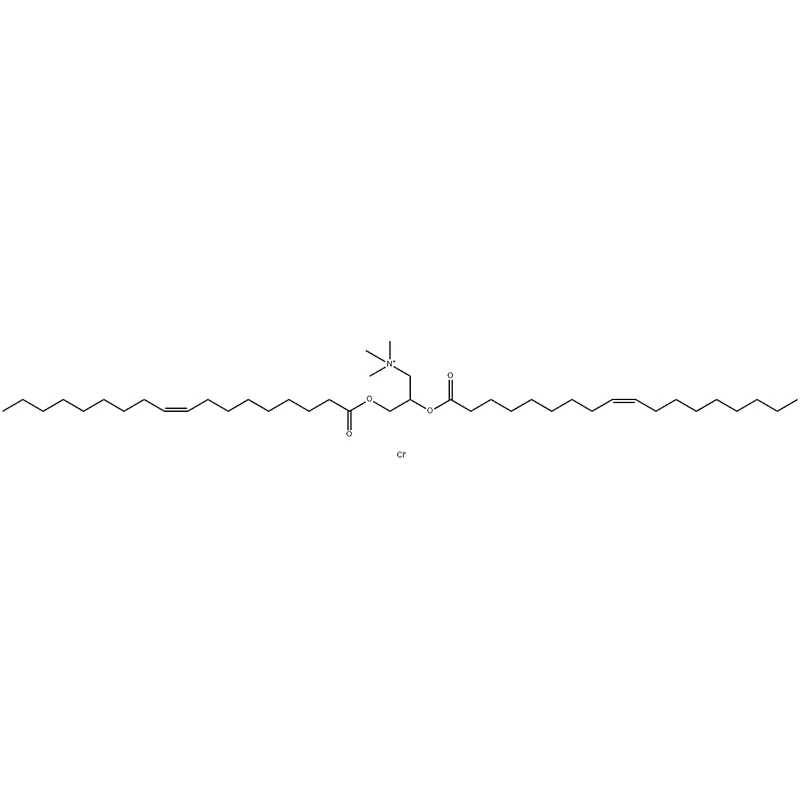
1,2-Dioleoyl-3-trimethylammonium-propane (chloride salt) , commonly referred to as DOTAP chloride, is a cationic lipid widely recognized for its role in nucleic acid delivery. Structurally, the molecule features a quaternary ammonium headgroup that carries a permanent positive charge, two 18‑carbon oleoyl (C18:1) chains each containing one cis‑double bond, and a chloride counterion that balances the overall charge. The unsaturated fatty acid tails introduce kinks into the acyl chains, increasing membrane fluidity and promoting liposomal fusion with cellular membranes. The chloride salt form of 1,2-Dioleoyl-3-trimethylammonium-propane (chloride salt) is the preferred formulation for biological applications, as the chloride counterion ensures aqueous solubility and compatibility with physiological conditions—unlike poorly soluble iodide salt forms. This combination of permanent cationic charge and flexible unsaturated tails makes 1,2-Dioleoyl-3-trimethylammonium-propane (chloride salt) an exceptionally effective building block for formulating liposomes and lipid nanoparticles (LNPs) for gene delivery applications.
Cosper is a professional Intermediate manufacturer and supplier in China. We have an experienced sales team, professional technicians, and an after-sales service team.
We use cookies to offer you a better browsing experience, analyze site traffic and personalize content. By using this site, you agree to our use of cookies. Privacy Policy


![1-[2,3-Bis[(9Z,12Z)-octadeca-9,12-dien-1-yloxy]propyl]pyrrolidine](https://www.cosperpharma.com/upload/8820/1-2-3-bis-9z-12z-octadeca-9-12-dien-1-yloxy-propyl-pyrrolidine-349384.webp "1-[2,3-Bis[(9Z,12Z)-octadeca-9,12-dien-1-yloxy]propyl]pyrrolidine")