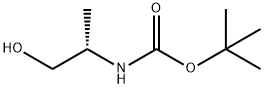
Boc-Alaninol (N-Boc-(S)-2-aminopropanol) is a chiral amino alcohol derived from L-alanine, featuring a tert-butyloxycarbonyl (Boc) protecting group on the amine and a free primary hydroxyl group. The molecule, with the molecular formula C₈H₁₇NO₃ and molecular weight of 175.23 g/mol, presents a well-defined (S)-configuration at the stereocenter adjacent to the amine, establishing it as an enantiopure chiral building block.
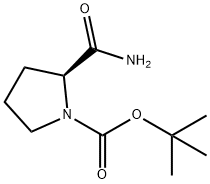
Boc-Pro-NH₂ (N-(tert-butoxycarbonyl)-L-prolinamide, CAS 35150-07-3) is a Boc-protected derivative of L-proline featuring a primary amide at the C2 position. The molecule consists of a pyrrolidine ring with a tert-butyloxycarbonyl (Boc) group protecting the ring nitrogen, and a carboxamide (-CONH₂) group at the C2 stereocenter.
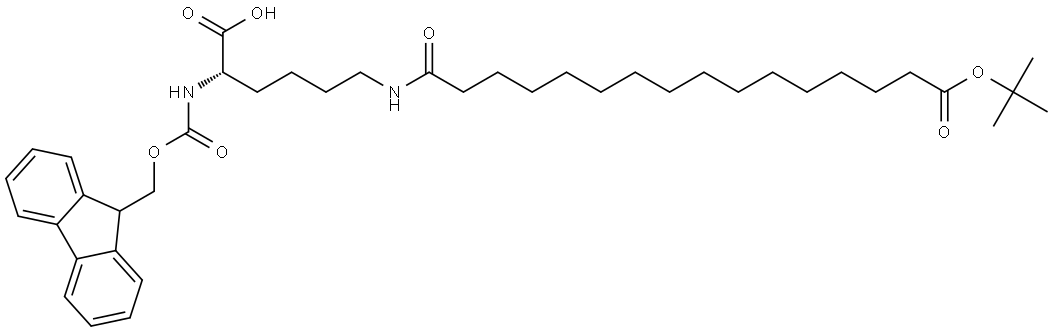
Fmoc-Lys(C16-OtBu)-OH (CAS 2952671-06-4) is a specialized Fmoc-protected lysine derivative featuring a long-chain C16 lipid moiety (hexadecanoyl/palmitoyl group) attached to the ε-amino group of lysine via an amide bond, with the C-terminal carboxylic acid protected as a tert-butyl ester. This unique molecular architecture combines the Fmoc-protected α-amino functionality required for solid-phase peptide synthesis with a lipophilic C16 alkyl chain that confers amphiphilic properties to the resulting peptides.
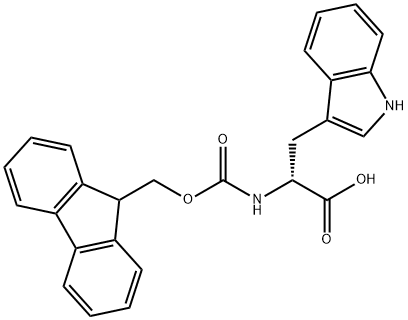
Fmoc-D-Trp-OH (Nα-Fmoc-D-tryptophan, CAS 86123-11-7) is an Fmoc-protected derivative of the D-enantiomer of tryptophan, an essential aromatic amino acid. The molecule features the 9-fluorenylmethoxycarbonyl (Fmoc) group protecting the α-amino function, while the carboxylic acid remains free for peptide chain elongation. The indole side chain of Fmoc-D-Trp-OH provides both aromatic character and hydrogen-bonding capability, making this compound a valuable building block for incorporating D-tryptophan residues into peptide sequences via Fmoc solid-phase peptide synthesis (SPPS).
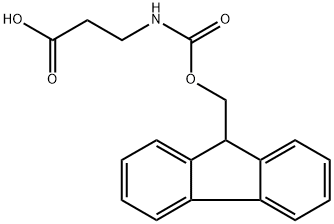
Fmoc-beta-Ala-OH (Fmoc-β-alanine, 3-((((9H-Fluoren-9-yl)methoxy)carbonyl)amino)propanoic acid, CAS 35737-10-1) is an Fmoc-protected β-amino acid derivative featuring the Fmoc (9-fluorenylmethyloxycarbonyl) protecting group attached to the β-amino group. Unlike standard α-amino acids, Fmoc-beta-Ala-OH contains the amino group at the β-position (carbon 3) relative to the carboxylic acid, resulting in a three-carbon backbone (H₂N-CH₂-CH₂-COOH) rather than the two-carbon backbone of α-alanine.
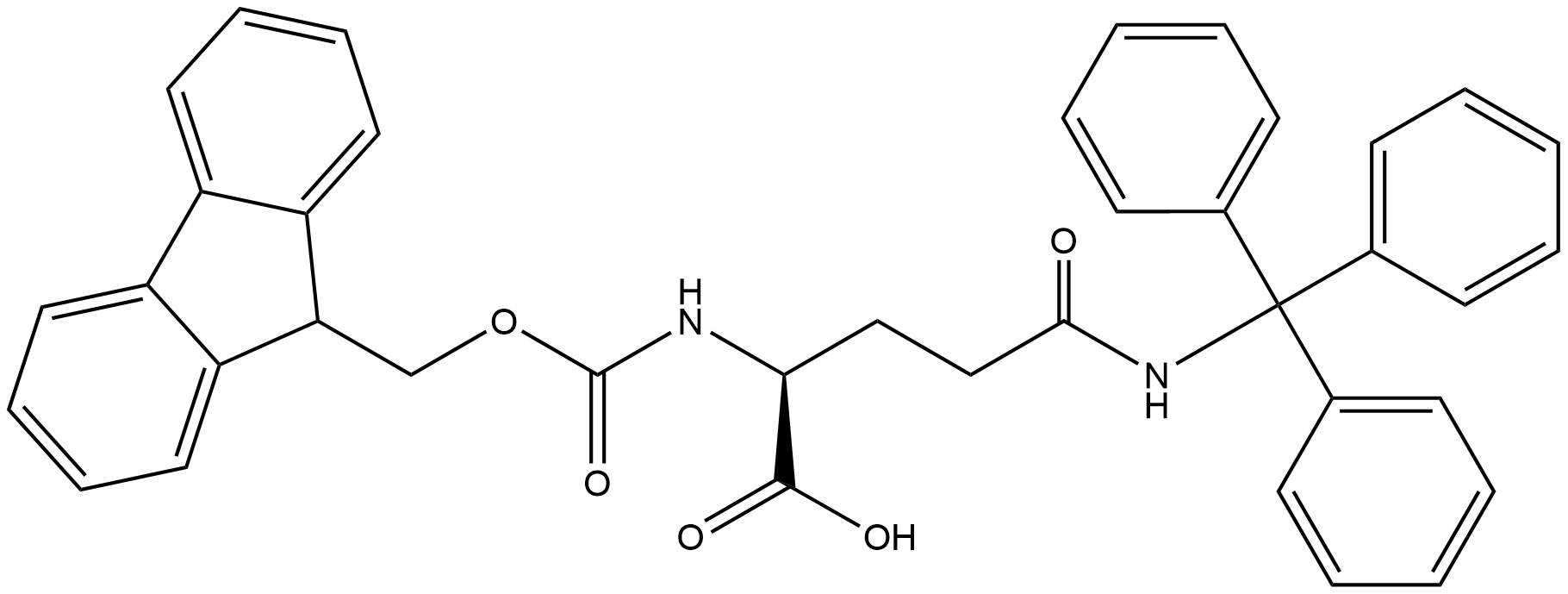
Fmoc-Gln(Trt)-OH (Nα-Fmoc-Nδ-trityl-L-glutamine, CAS 132327-80-1) is a doubly protected L-glutamine derivative featuring the Fmoc (9-fluorenylmethyloxycarbonyl) protecting group at the Nα-amino group and the trityl (Trt, triphenylmethyl) protecting group at the Nδ-side chain amide. This unique dual-protection strategy effectively addresses the inherent challenges of glutamine incorporation in peptide synthesis.
Cosper is a professional Intermediate manufacturer and supplier in China. We have an experienced sales team, professional technicians, and an after-sales service team.
We use cookies to offer you a better browsing experience, analyze site traffic and personalize content. By using this site, you agree to our use of cookies. Privacy Policy