1-((4'-chloro-5,5-dimethyl-3,4,5,6-tetrahydro-[1,1'-biphenyl]-2-yl)methyl)piperazine dihydrochloride (CAS 1628047-87-9) is a key pharmaceutical intermediate featuring a complex bicyclic structure. The molecule consists of a tetrahydrobiphenyl core with a 4-chlorophenyl substituent, a dimethyl-substituted cyclohexene ring, and a piperazine moiety linked via a methylene bridge.
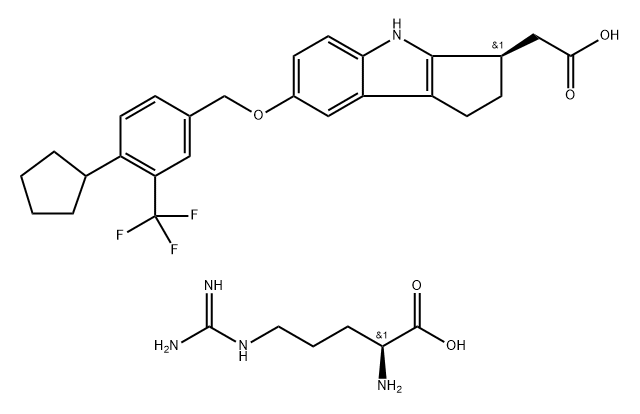
Etrasimod arginine is the L-arginine salt form of the selective S1P receptor modulator etrasimod (APD334), designed to enhance the solubility and formulation characteristics of the active pharmaceutical ingredient . Structurally, the salt consists of the (3R)-7-((4-cyclopentyl-3-(trifluoromethyl)phenyl)methoxy)-1,2,3,4-tetrahydrocyclopenta[b]indol-3-ylacetate anion paired with a protonated L-arginine cation in a 1:1 stoichiometric ratio .
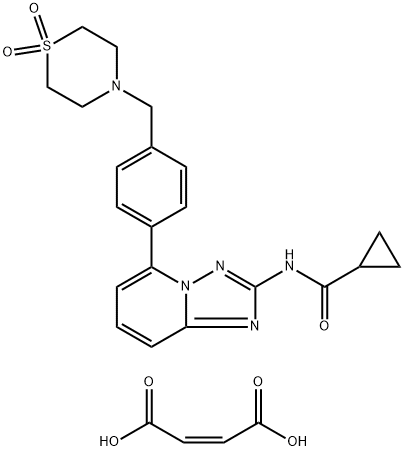
Filgotinib Maleate (CAS 1802998-75-9) is the maleate salt form of filgotinib, an orally bioavailable, selective Janus kinase 1 (JAK1) inhibitor. Structurally, Filgotinib Maleate consists of the filgotinib free base (C₂₁H₂₃N₅O₃S) in a 1:1 stoichiometric ratio with maleic acid (C₄H₄O₄), giving a molecular formula of C₂₅H₂₇N₅O₇S and a molecular weight of 541.58 g/mol . The maleate salt form enhances the aqueous solubility and long-term crystallinity of the API compared to the free base, facilitating pharmaceutical formulation and improving stability during manufacturing and storage .
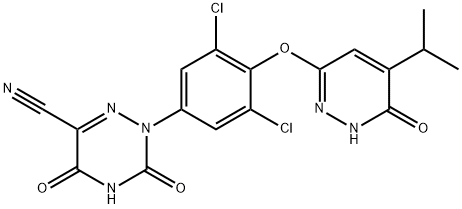
Resmetirom (CAS 920509-32-6), also known as MGL-3196 or VIA-3196, is a first-in-class, liver-directed, orally active, selective thyroid hormone receptor β (THR-β) agonist . Structurally, Resmetirom features a complex molecular architecture centered on a pyridazinone core, with a 4-isopropyl-6-oxo-1,6-dihydropyridazin-3-yloxy substituent linked to a dichlorophenyl ring, which is further connected to a triazine-dione-carbonitrile moiety .
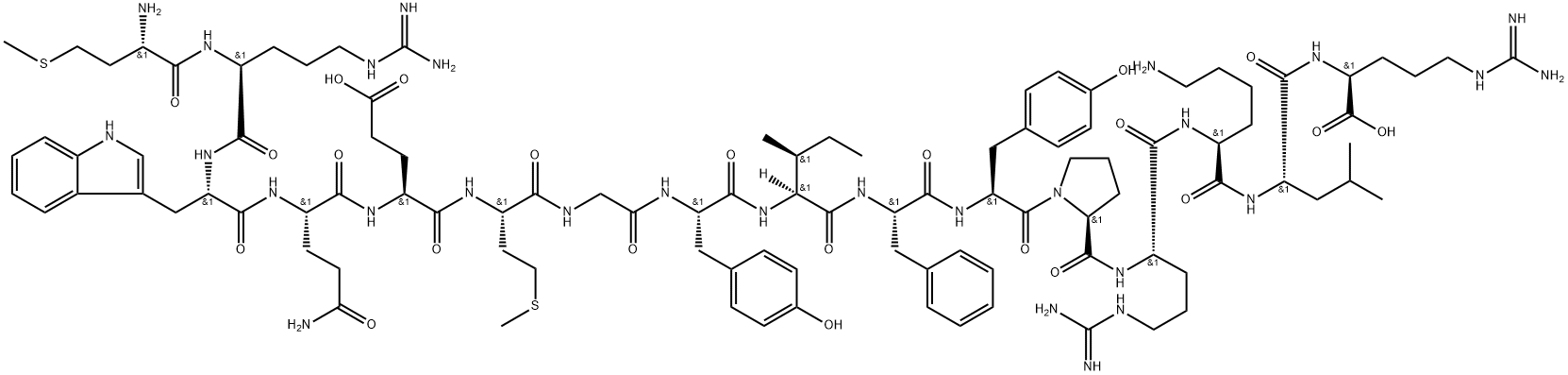
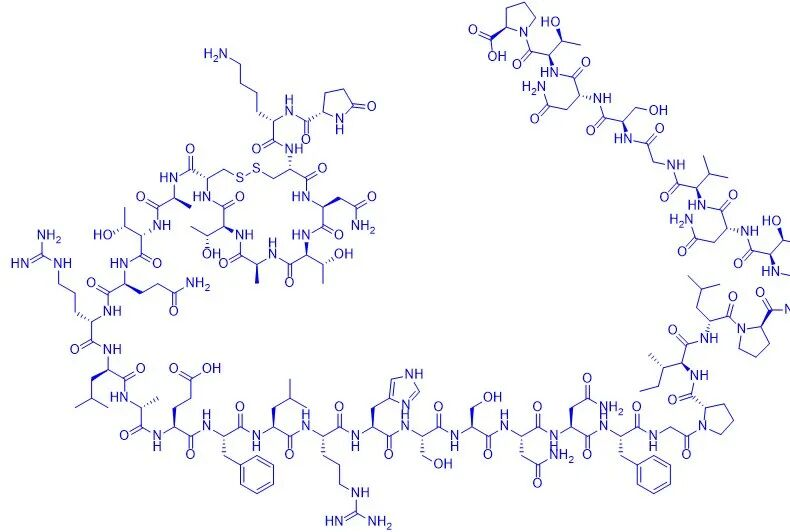
MOTS‑c, BPC‑157, Epitalon, Pinealon, TB‑500, and GHK‑Cu are synthetic peptides investigated for regenerative and metabolic effects. MOTS‑c, a mitochondrial‑derived peptide, modulates glucose metabolism. BPC‑157, a gastric pentadecapeptide, has shown wound‑healing potential in early clinical trials. Epitalon, a tetrapeptide from Russian research, was once granted FDA orphan status for retinitis pigmentosa. Pinealon, a neuroprotective tripeptide, has undergone Phase III trials in Russia. TB‑500, an active fragment of thymosin β4, promotes angiogenesis and is mainly used in veterinary studies. GHK‑Cu, a copper‑bound tripeptide, is clinically proven as a cosmetic anti‑aging agent. All are for research use only; none are approved for human therapy except as cosmetics.
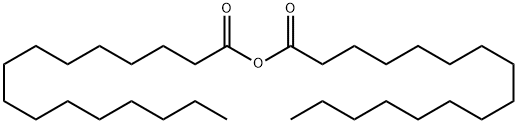
Palmitic Anhydride (hexadecanoic anhydride) is a long-chain (C16) aliphatic carboxylic acid anhydride derived from palmitic acid, a saturated fatty acid found abundantly in natural sources such as animal fats and vegetable oils. Structurally, Palmitic Anhydride consists of two hexadecanoyl (palmitoyl) groups linked through an anhydride bond (—C(=O)—O—C(=O)—). This symmetric structure confers potent acylating capability, making Palmitic Anhydride an efficient reagent for introducing palmitoyl (hexadecanoyl) functionality into other organic molecules. Palmitic Anhydride is widely used as a chemical intermediate in the synthesis of pharmaceuticals, cosmetics, surfactants, lubricants, plasticizers, and other specialty chemicals.
Cosper is a professional Intermediate manufacturer and supplier in China. We have an experienced sales team, professional technicians, and an after-sales service team.
We use cookies to offer you a better browsing experience, analyze site traffic and personalize content. By using this site, you agree to our use of cookies. Privacy Policy


![1-((4'-chloro-5,5-dimethyl-3,4, 5,6-tetrahydro-[1,1'-biphenyl]-2-yl)methyl)piperazine dihydrochloride](https://www.cosperpharma.com/upload/8820/1-4-chloro-5-5-dimethyl-3-4-5-6-tetrahydro-1-1-biphenyl-2-yl-methyl-piperazine-dihydrochloride-388655.png "1-((4'-chloro-5,5-dimethyl-3,4, 5,6-tetrahydro-[1,1'-biphenyl]-2-yl)methyl)piperazine dihydrochloride")