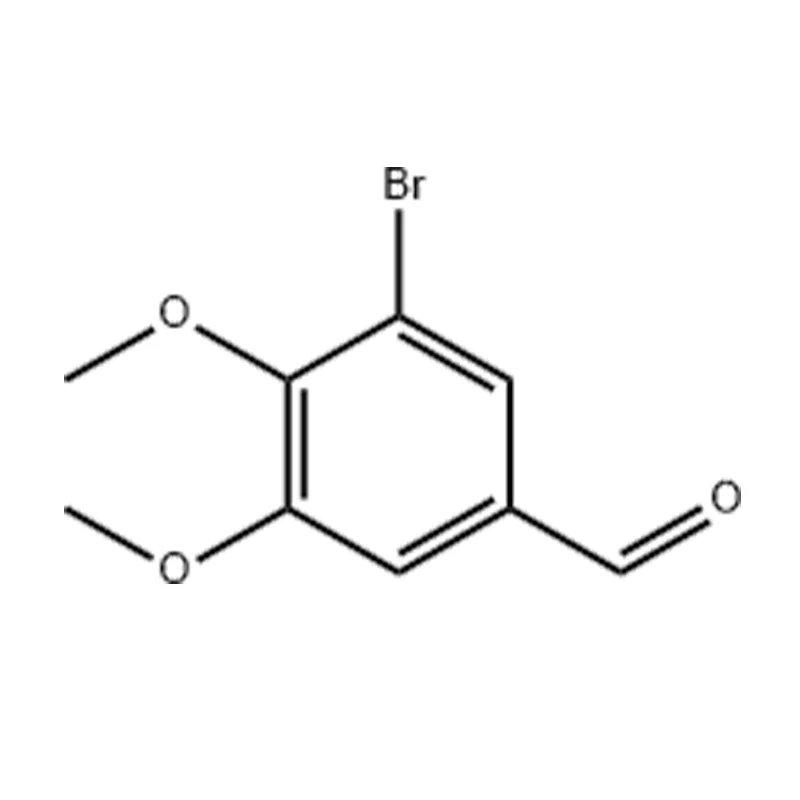
The product is 3-Bromo-4,5-dimethoxybenzaldehyde (also known as 5-Bromoveratraldehyde), a trisubstituted aromatic aldehyde featuring three distinct substituents on the benzene ring: a bromine atom at the 3-position, two methoxy groups at the 4- and 5-positions, and an aldehyde (−CHO) group at the 1-position. The electron-withdrawing bromine substituent and the electron-donating methoxy groups create a unique electronic environment that modulates the reactivity of the aldehyde group, making it particularly suitable for nucleophilic addition and condensation reactions. The 3,4,5-trisubstitution pattern — with the bromine adjacent to one of the methoxy groups — imposes a specific steric arrangement that influences molecular recognition and binding to biological targets, contributing to the compound’s utility in medicinal chemistry. The presence of two methoxy groups significantly enhances the molecule’s lipophilicity, while the aldehyde group provides a versatile handle for reductive amination, Grignard addition, Wittig olefination, and Knoevenagel condensation.
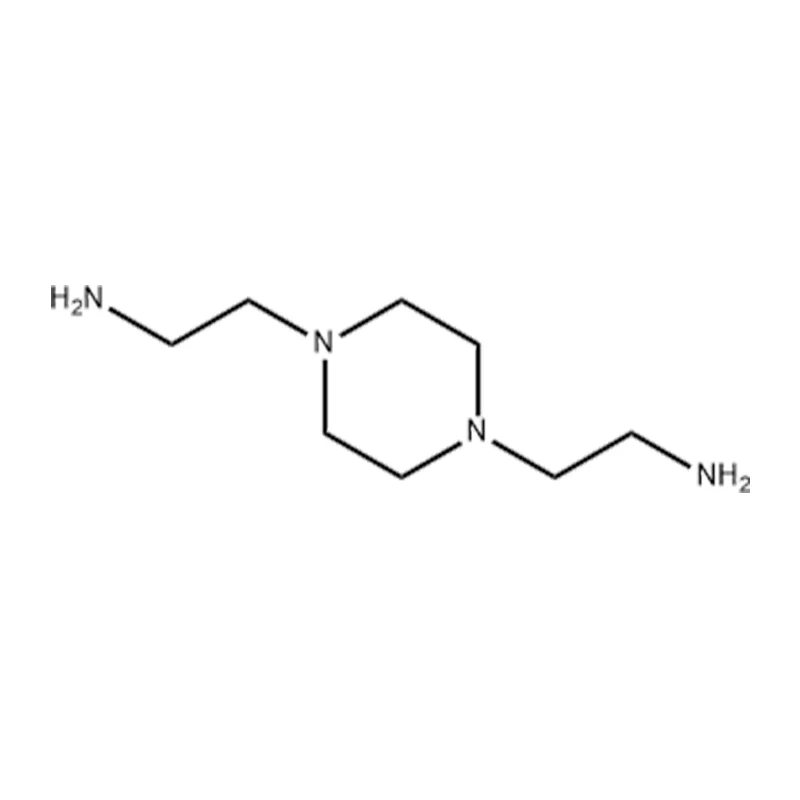
1,4-bis(2-aminoethyl)piperazine is a symmetrical diamine featuring a central piperazine ring—a six-membered saturated heterocycle with two nitrogen atoms—flanked by two aminoethyl arms at the 1- and 4-positions. This design creates a molecule with four nitrogen atoms: two tertiary amines locked within the rigid piperazine core, and two terminal primary amines attached via flexible ethyl spacers. The rigid piperazine scaffold provides a stable, hydrophilic structural center, while the extended ethylamine arms offer conformational flexibility and nucleophilic reactivity. With a predicted pKa of approximately 10.41 for the primary amine groups, 1,4-bis(2-aminoethyl)piperazine exists predominantly in its protonated, cationic form at physiological pH. This unique combination of a dual-tertiary amine core and twin primary amine termini gives the molecule the character of a branched polyamine and a versatile cross-linking building block for the construction of complex molecular architectures.
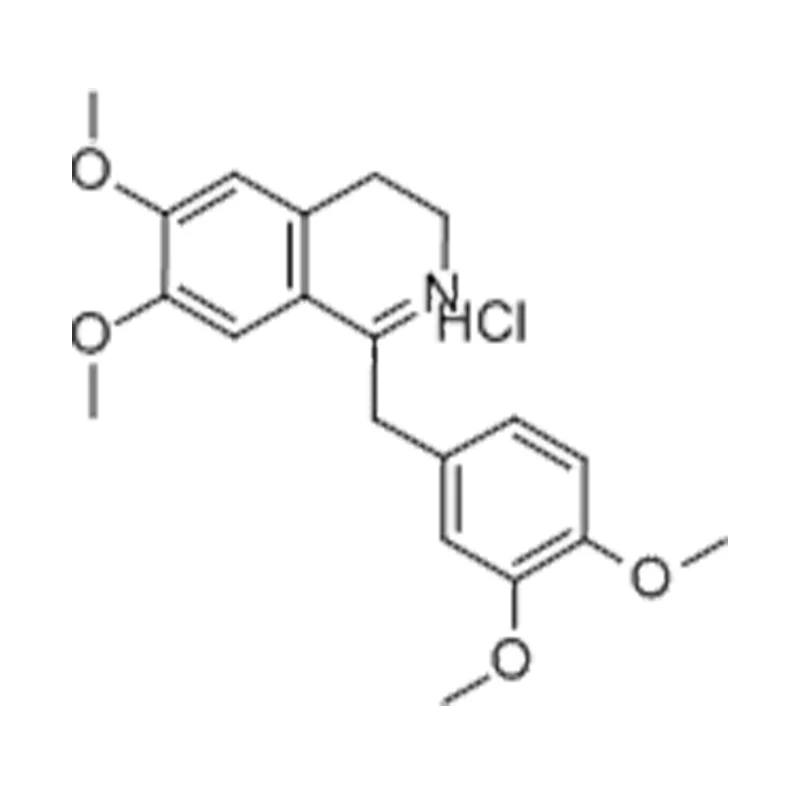
The product is 1-(3,4-Dimethoxybenzyl)-3,4-dihydro-6,7-dimethoxyisoquinolinium chloride, a dihydroisoquinolinium salt that occupies a central position in the synthesis of neuromuscular blocking agents and serves as a critical pharmaceutical reference standard. Structurally, the molecule consists of a 3,4-dihydroisoquinoline core decorated with two methoxy groups at the 6 and 7 positions, bearing a 3,4-dimethoxybenzyl substituent at the 1-position via a methylene bridge. The four methoxy groups (two on the isoquinoline ring, two on the benzyl group) are arranged in a symmetrical 3,4-dimethoxy substitution pattern. The presence of the iminium double bond within the dihydroisoquinoline ring distinguishes this molecule from its fully saturated tetrahydropapaverine derivative, while the chloride counterion enhances aqueous solubility and crystalline stability. This combination — a rigid, semi-aromatic dihydroisoquinolinium core, two highly substituted aromatic rings, and an iminium functional group — underlies the compound‘s established utility both as a chemical precursor to potent muscle relaxants and as a pharmacopoeial impurity standard.
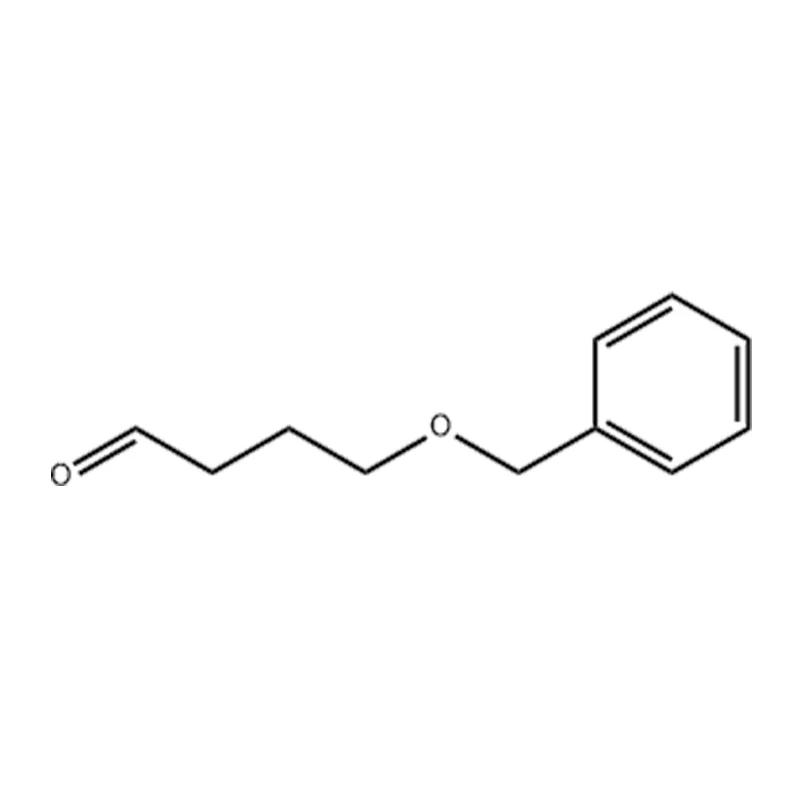
The molecular architecture of 4-(Phenylmethoxy)butanal (C₁₁H₁₄O₂, MW 178.23) features a linear four-carbon butanal backbone bearing a benzyl-protected primary alcohol at the ω-position (C4). The molecule is constructed around a flexible butoxy chain, where the benzyloxy substituent (Ph-CH₂-O-) serves as a robust hydroxyl protecting group while the terminal aldehyde carbonyl remains free and accessible as the primary reactive handle. The benzyl ether moiety introduces an aromatic chromophore that facilitates UV detection in HPLC analysis, while the aldehyde group provides a reactive electrophilic center capable of undergoing nucleophilic additions, condensations, oxidations, and reductions. The molecule possesses two hydrogen bond acceptors (the ether oxygen and the aldehyde carbonyl), zero hydrogen bond donors, and six freely rotatable bonds, conferring substantial conformational flexibility to the protected chain. This bifunctional architecture—combining a stable, acid-labile benzyl protecting group with a reactive terminal aldehyde—makes 4-(Phenylmethoxy)butanal a versatile synthetic intermediate that bridges protecting group chemistry with carbonyl reactivity.
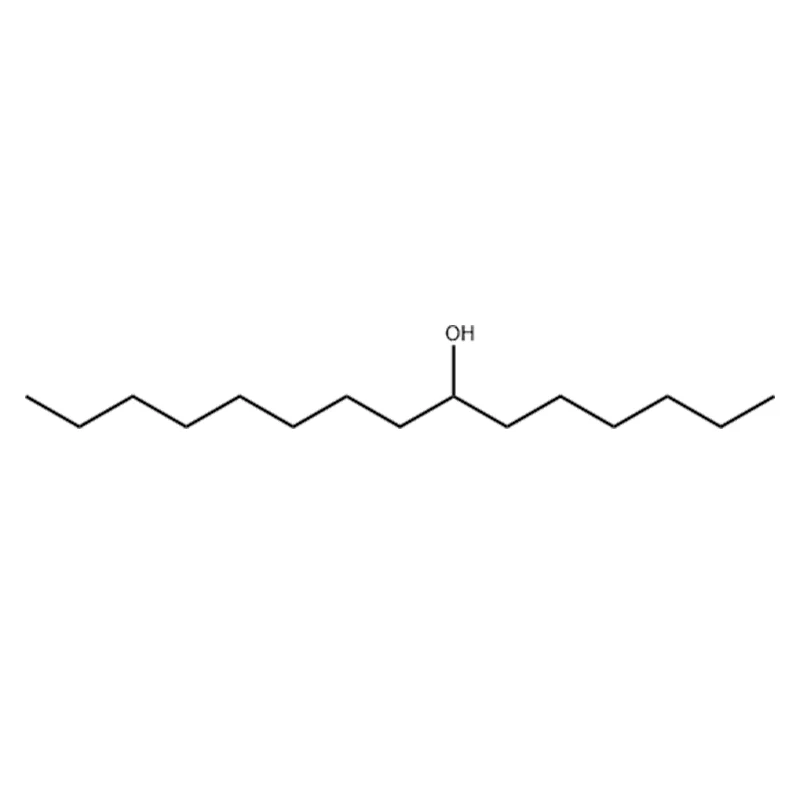
pentadecan-7-ol is a long-chain secondary fatty alcohol characterized by a fifteen-carbon linear alkyl backbone with a hydroxyl group substituted specifically at the C-7 position . Structurally, this secondary alcohol features a chiral center at carbon-7, flanked by two symmetric heptyl and hexyl chains, forming what is chemically described as hexyl-octyl-carbinol . Unlike linear primary alcohols, this mid-chain hydroxyl placement creates a distinctly hydrophobic molecule with a precise polar headgroup, a structural arrangement that significantly reduces its volatility and influences its ability to interact with lipid bilayers . The molecule exists as a waxy solid at room temperature, with the long saturated chains enabling strong van der Waals interactions that drive high melting points and extremely low water solubility. This inherent amphiphilic asymmetry allows pentadecan-7-ol to function as a membrane disruptor and self-assembling building block, as its geometry can induce phase separation in lipid environments rather than simply dissolving them.
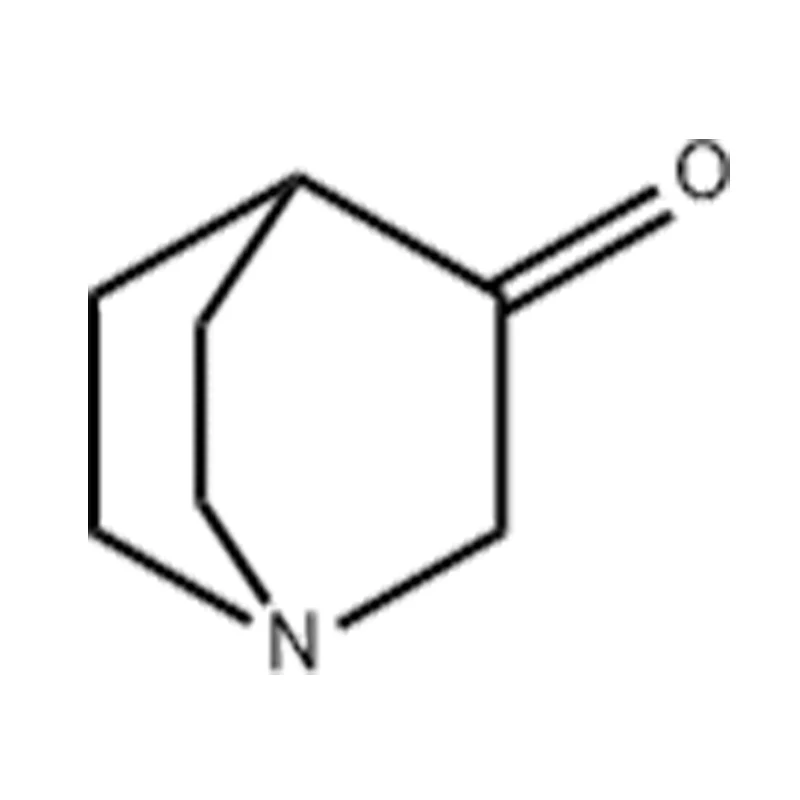
The product is 3-Quinuclidinone , a rigid, bicyclic tertiary amine featuring a ketone functional group at the C3 position of the quinuclidine skeleton. Structurally, the molecule consists of a nitrogen atom bridging a symmetrical bicyclo[2.2.2]octane framework, creating an exceptionally rigid, compact three-dimensional architecture. The nitrogen lone pair is positioned inside a sterically hindered environment, giving 3-Quinuclidinone a distinct steric and electronic profile that differentiates it from simple aliphatic amines or piperidine derivatives. The ketone group at the C3 position lies in close proximity to the bridgehead nitrogen, producing a unique spatial arrangement that allows for stereoselective reductions to yield enantiomerically pure (R)- or (S)-3-quinuclidinol, both of which serve as valuable chiral building blocks. The crowded bridgehead nitrogen in 3-Quinuclidinone not only resists N-alkylation under mild conditions but also imparts notable basicity (conjugate acid pKa approximately 6.73–7.2), which enhances aqueous solubility when the molecule is formulated as its hydrochloride salt. This rigid, cage-like conformation effectively pre-organizes the molecule‘s functional groups in three-dimensional space, a feature that is highly valued in medicinal chemistry for optimizing drug-receptor interactions.
We use cookies to offer you a better browsing experience, analyze site traffic and personalize content. By using this site, you agree to our use of cookies. Privacy Policy